Weight Loss

All Treatments
Resources


All Treatments
Weight Loss Treatments
Tirzepatide
Semaglutide
Wegovy Pill
Resources
Healthi App
Blog
Member Meetings
Recipes
Podcast
Patient Sign in



You didn’t “suddenly change overnight.” Your body is shifting quietly, and the signs are easier to miss than most people realize. What if the exhaustion, mood swings, and stubborn weight changes aren’t random at all?
There is a moment many women experience long before they ever hear the word perimenopause, where things just start to feel slightly off. Not dramatic. Not alarming. Just different enough that you notice it, then quickly talk yourself out of it.
You are still showing up. Still doing everything you are supposed to do. But your sleep feels lighter, your energy is less predictable, your workouts don’t hit the same, and your body seems to be responding differently to the exact same habits that used to work just fine.
And because life is already full, it is incredibly easy to blame stress, aging, or simply “doing too much.” But what many women are never told is that these subtle shifts can be some of the earliest signs of hormonal transition, sometimes beginning years before menopause officially arrives.
This is where understanding what is actually happening in your body changes everything.

Menopause rarely announces itself in a clear, obvious way. Instead, it shows up in small, inconsistent changes that are easy to dismiss on their own.
Sleep becomes lighter and more interrupted. Workouts require more recovery time than they used to. Weight begins to shift in ways that feel unfamiliar, even though your habits have not drastically changed. There may also be a low-level sense of anxiety, mental fog, or reduced motivation that comes and goes without a clear reason.
Because these changes are gradual and inconsistent, they are often explained away as stress, overwork, or just getting older. But what is often missing from that explanation is that perimenopause can begin years before periods stop completely, and during that time, hormone fluctuations can significantly influence metabolism, mood, sleep, and cognitive function.
Estrogen is frequently reduced to a “reproductive hormone,” but in reality, it plays a much larger role in overall health and daily function.
It influences insulin sensitivity, muscle protein synthesis, collagen production, neurotransmitter regulation, and inflammatory balance. When estrogen levels begin to fluctuate, the impact is not isolated to one system. It spreads throughout the body in ways that can feel confusing at first.
This is why symptoms often seem unrelated. Sleep issues, weight changes, mood shifts, and fatigue can all be part of the same underlying transition. Nothing is random, even when it feels that way.
One of the biggest reasons women delay seeking help is that menopause has been surrounded by outdated messaging for years. Early concerns around hormone therapy created long-lasting hesitation, even though modern approaches are far more individualized and evidence-informed.
There is also the generational influence of watching women before us “push through” without support. That experience quietly normalizes discomfort as something to tolerate rather than something to address.
And then there is the reality of being a woman who is already doing a lot. When you are managing work, family, aging parents, and daily responsibilities, it becomes easy to adapt instead of pause. More coffee. More discipline. More effort. Less attention to what your body is actually signaling.
But adaptation without support eventually catches up.

When early symptoms are consistently overlooked, the effects do not disappear. They build.
Poor sleep can disrupt metabolic health. Elevated stress hormones can influence fat storage, especially around the midsection. Loss of muscle mass without intentional strength support can slowly reduce metabolic rate. Emotional instability can affect confidence, patience, and relationships.
Over time, what started as subtle discomfort can become a constant background frustration that feels harder and harder to explain.
This is not about doing more. It is about understanding what your body actually needs in this stage.
Today’s menopause care looks very different from the old “one solution fits all” approach.
Support can include hormone therapy when appropriate, but it also includes nutrition strategies, strength training, sleep optimization, stress regulation, and targeted supplementation based on individual needs.
The shift is not about forcing the body to behave like it used to. It is about supporting it where it is now, with tools that actually match what is happening internally.
One of the most overlooked parts of this journey is not medical knowledge. It's permission.
Permission to say, “This feels different.”
Permission to ask questions before things feel unmanageable.
Permission to stop treating exhaustion like a personal failure.
You do not need to prove that you are struggling enough to deserve support. If something feels off, that is reason enough to pay attention.
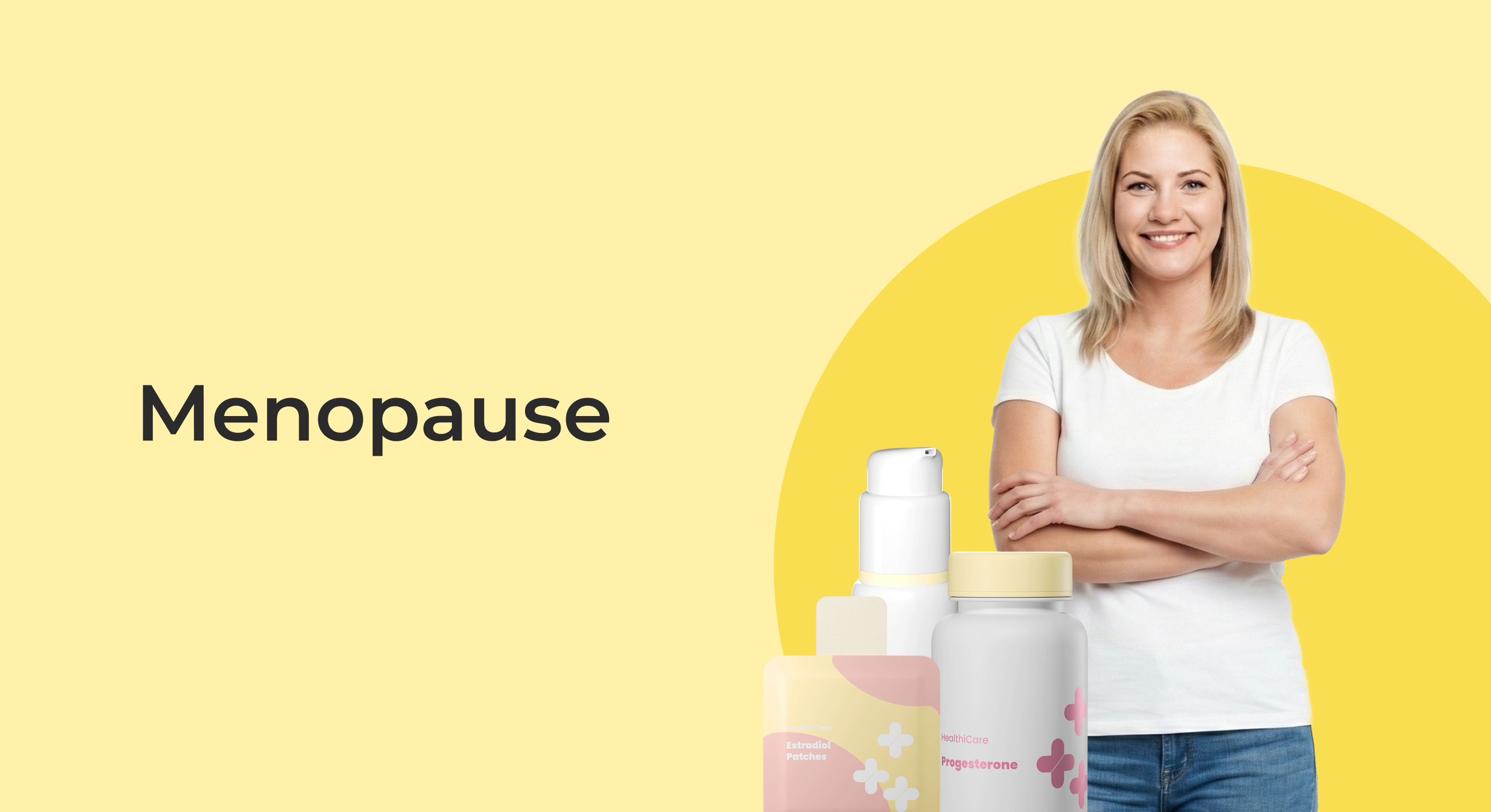
This is where HealthiCare can make a meaningful difference in your experience.
HealthiCare offers menopause-focused care designed to support the full picture of what you are feeling, including energy shifts, sleep disruption, mental clarity, metabolic changes, mood fluctuations, and more. Our licensed clinicians work with you to create a personalized plan that may include clinically guided treatment along with practical lifestyle support so you are not left guessing what your body needs next.
When paired with the Healthi app, you also have a simple way to track meals, hydration, movement, and daily habits, including BITES, all in one place. Instead of guessing what is working, you start seeing patterns clearly, which helps you make informed, confident choices without overwhelm.
You can explore more here: HealthiCare Menopause Treatment
Menopause is not your body “failing.” It's your body shifting into a new phase that requires a different kind of support.
And while that transition can feel confusing or even frustrating at times, it does not have to feel like something you just endure in silence. With the right tools, understanding, and support system, this stage can feel steadier, more grounded, and more manageable than most women are ever told it can be.
You are not behind. You are not broken. You are transitioning. And you do not have to navigate it alone.
September 24, 2026