Weight Loss

All Treatments
Resources


All Treatments
Weight Loss Treatments
Tirzepatide
Semaglutide
Wegovy Pill
Resources
Healthi App
Blog
Member Meetings
Recipes
Podcast
Patient Sign in
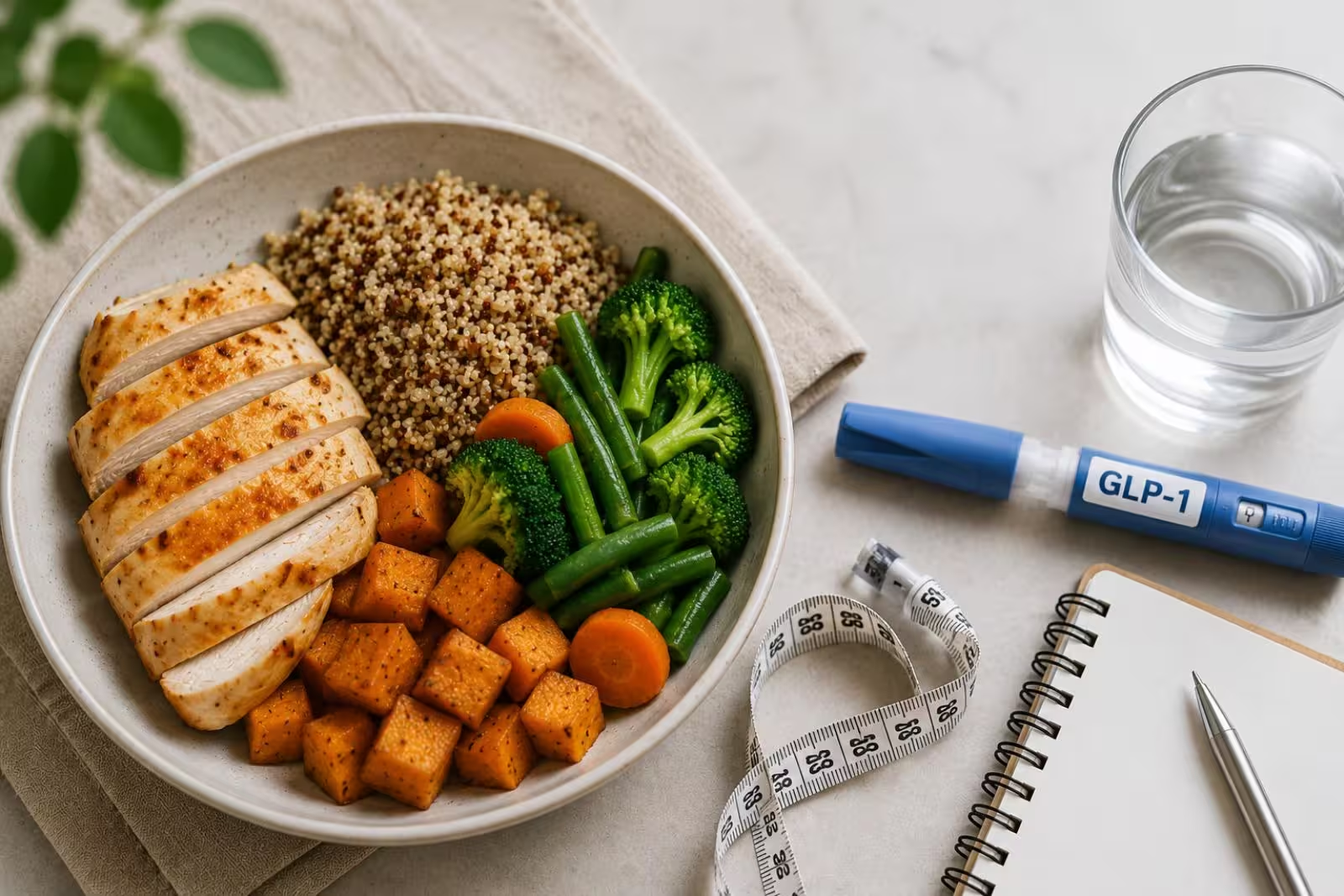


The link between inflammation, weight loss, and GLP-1 is gaining attention as research continues to grow. Reducing chronic inflammation may support better overall health while healthy habits and GLP-1 treatment work together.
If you've been hearing more about inflammation and GLP-1 medications, you're not imagining it. Researchers continue to study the link between inflammation, weight loss, and GLP-1, and while there's still more to learn, one thing is clear: carrying excess body fat and living with chronic, low-grade inflammation often go hand in hand. As people lose weight and improve their overall health, inflammation may improve as well. The medication can be an important tool, but it's only one piece of a much bigger picture.
Many people think inflammation is always a bad thing, but that's not actually true. Your body needs inflammation to heal injuries and fight infections. The concern is chronic inflammation, which can stay active for months or even years. Unlike the swelling you notice after a cut or sprained ankle, chronic inflammation often develops slowly and without obvious symptoms. Over time, it may contribute to a variety of health concerns, including heart disease, type 2 diabetes, and other metabolic conditions.
Inflammation is your body's natural defense system. When you're sick or injured, your immune system creates inflammation to help protect and repair your body. Once healing is complete, the inflammation typically goes away.
Chronic inflammation works differently. Instead of turning off, the inflammatory response remains active. It may not cause noticeable symptoms every day, but it can continue placing stress on the body over time.
Several factors may contribute to chronic inflammation, including excess body fat, smoking, chronic stress, poor sleep, physical inactivity, and diets that are consistently low in nutrient-rich foods. Genetics and certain medical conditions can also play a role. While no single habit causes chronic inflammation by itself, daily lifestyle choices can influence how much inflammation the body experiences over time.

One reason researchers continue studying the link between inflammation, weight loss, and GLP-1 is that fat tissue does more than simply store energy. Fat cells are biologically active and release substances that influence many functions throughout the body, including inflammation.
As body fat increases, particularly around the abdomen, inflammatory signals may also increase. This doesn't mean every person with overweight or obesity has the same level of inflammation, but excess body fat is recognized as one factor that can contribute to chronic inflammation.
This relationship works both ways. Chronic inflammation may affect hormones involved in appetite regulation, insulin sensitivity, and metabolism, making it harder for some people to manage their weight. At the same time, losing weight may help reduce inflammatory markers in many individuals, especially when weight loss is combined with healthier lifestyle habits.
GLP-1 medications were developed to help improve blood sugar regulation, and they are now widely used to support weight loss in people who qualify for treatment. These medications work by helping regulate appetite, slowing stomach emptying, and increasing feelings of fullness, making it easier for many people to eat less without feeling constantly hungry.
Researchers are also studying whether GLP-1 medications may have effects beyond weight loss. Some early research suggests they may influence inflammatory pathways, but this area continues to be investigated. At this point, it's important not to assume that GLP-1 medications are prescribed specifically to treat inflammation. More research is needed before firm conclusions can be made.
What is well established is that losing excess weight can improve many aspects of metabolic health. Since excess body fat is associated with chronic inflammation, weight loss itself may contribute to reductions in inflammatory markers for many people.

Medication can support weight loss, but healthy habits continue to play an important role in your overall health.
A balanced eating pattern that includes lean protein, fruits, vegetables, whole grains, healthy fats, and fiber provides nutrients that support normal body functions. Foods rich in antioxidants, such as berries, leafy greens, tomatoes, nuts, and olive oil, are commonly included in eating patterns associated with good overall health.
Regular physical activity also plays an important role. You don't need intense workouts every day to see benefits. Walking, swimming, cycling, strength training, and other forms of regular movement can support your heart, muscles, metabolism, and overall well-being.
Sleep and stress management deserve attention too. Poor sleep and ongoing stress can affect hormones that influence appetite, recovery, and inflammation. Making time for rest isn't simply about feeling better the next day. It supports many systems throughout the body.
When people hear the word "inflammation," it's easy to start searching for a perfect anti-inflammatory diet or a single food that promises dramatic results. That's usually not how better health works.
There isn't one meal, supplement, or ingredient that suddenly turns inflammation on or off. Your overall pattern of eating and living has a much greater impact than any individual food.
That means you don't have to eliminate every favorite food or follow an overly restrictive eating plan. Building meals around whole, nutrient-rich foods most of the time while allowing room for flexibility is a realistic approach that many people can maintain over the long term.
Consistency almost always beats perfection.

Weight loss is about more than reaching a certain number on the scale. Improving your overall health includes building habits that support your body long after the weight comes off.
HealthiCare combines GLP-1 treatment with guidance from licensed healthcare providers who help members build realistic nutrition, hydration, movement, and lifestyle habits alongside their medication. Rather than focusing only on weight loss, the goal is to support healthier routines that can last for years.
Every HealthiCare membership also includes the Healthi app at no additional cost. Members have access to meal tracking, the BITE system, restaurant guides, and the Healthi Fresh plan, which emphasizes protein and fiber to support balanced eating. These tools make it easier to build meals that fit your lifestyle while supporting your long-term health goals.
The link between inflammation, weight loss, and GLP-1 continues to be an active area of research, but one message remains consistent. Lasting health improvements rarely come from one medication or one perfect meal. They come from the combination of healthy habits practiced consistently over time.
If you're working toward weight loss, focus on the habits you can repeat. Eat balanced meals, stay active, prioritize sleep, manage stress when possible, and work with your healthcare provider to determine whether GLP-1 treatment is appropriate for you. Those daily choices can support both your weight-loss goals and your overall health, giving you a stronger foundation for the future.
July 31, 2026