
Weight Loss

All Treatments
Resources


All Treatments
Weight Loss Treatments
Tirzepatide
Semaglutide
Wegovy Pill
Resources
Healthi App
Blog
Member Meetings
Recipes
Podcast
Patient Sign in



GLP-1 medications can be powerful tools for weight loss and metabolic health. But they aren’t magic. And nutrition alone, for some, while foundational, doesn’t always overcome hormonal resistance. When the two work together — strategically and intentionally — progress becomes steadier, more sustainable, and far more powerful than either approach alone.
There’s a narrative floating around that GLP-1 medications “do the work for you.” There’s another narrative that says nutrition should be enough on its own.
The truth actually lives in the middle. GLP-1 medications support appetite regulation, improve insulin sensitivity, and help stabilize blood sugar. That’s significant, especially for people dealing with metabolic resistance, hormonal shifts, or long-standing weight plateaus.
But GLP-1 does not build muscle for you. It doesn’t automatically optimize protein intake. It doesn’t protect bone density. It doesn’t teach you how to fuel long-term. And nutrition alone, while critical, doesn’t always overcome the physiological barriers that make weight loss feel like pushing uphill. Together, they create leverage.

GLP-1 (glucagon-like peptide-1) is a hormone that influences insulin secretion, slows gastric emptying, and signals fullness to the brain. Medications that mimic GLP-1 enhance those effects.
Here’s what that means metabolically:
For many people, this reduces “food noise,” otherwise known as that constant mental tug toward snacks, sugar, or overeating. It lowers the volume so intentional decisions feel easier. The choice between semaglutide vs tirzepatide also affects nutritional needs, since each medication interacts with hunger, digestion, and nutrient timing a little differently.
But here’s where it gets important: reduced appetite can also mean reduced nutrition if you’re not careful. Eating less without prioritizing quality meals can lead to unhealthy results like muscle loss, fatigue, hair thinning, slower metabolism, and poor recovery. That’s where nutrition becomes non-negotiable.
When calories drop — whether intentionally or because you’re simply less hungry — your body has to decide where to pull energy from.
Ideally: stored body fat. Unfortunately: muscle is often part of the equation.
Muscle tissue is metabolically active. It plays a major role in glucose disposal, insulin sensitivity, and resting metabolic rate. Lose too much of it, and metabolism can slow. Strength declines. Recovery worsens. Long-term maintenance becomes harder. Protein becomes non-negotiable here.
On GLP-1, people often eat smaller meals. If those meals are low in protein, total daily intake quietly drops below what’s needed to preserve lean mass. That’s when fatigue creeps in. Workouts feel harder. Recovery takes longer.
Spacing protein throughout the day — not just loading it into dinner — supports muscle protein synthesis. That’s how you protect strength while losing fat. GLP-1 helps reduce intake. Protein ensures that what you do eat still builds, repairs, and protects.
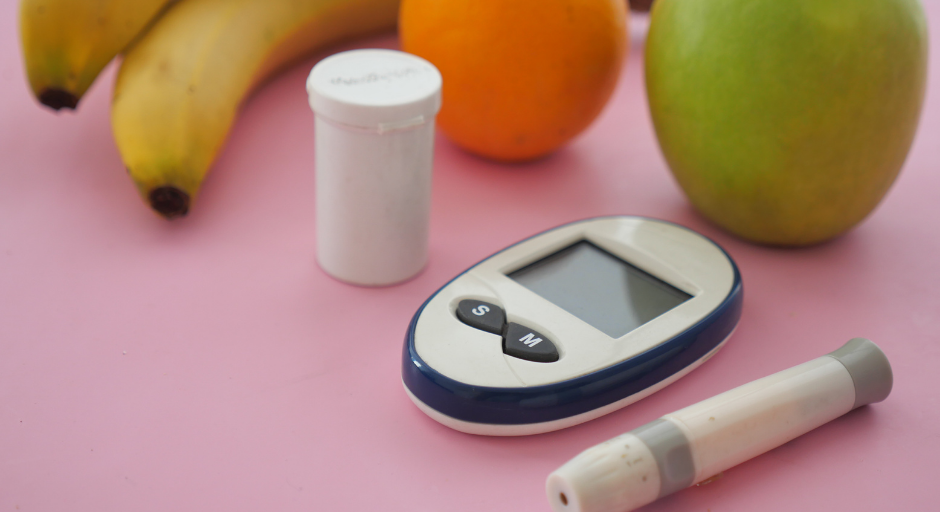
Learn more about personalized tirzepatide.
One of the most powerful benefits of combining GLP-1 with smart nutrition is glycemic stability (how steady and controlled your blood sugar levels remain throughout the day). GLP-1 improves insulin signaling. Balanced meals improve glucose response.
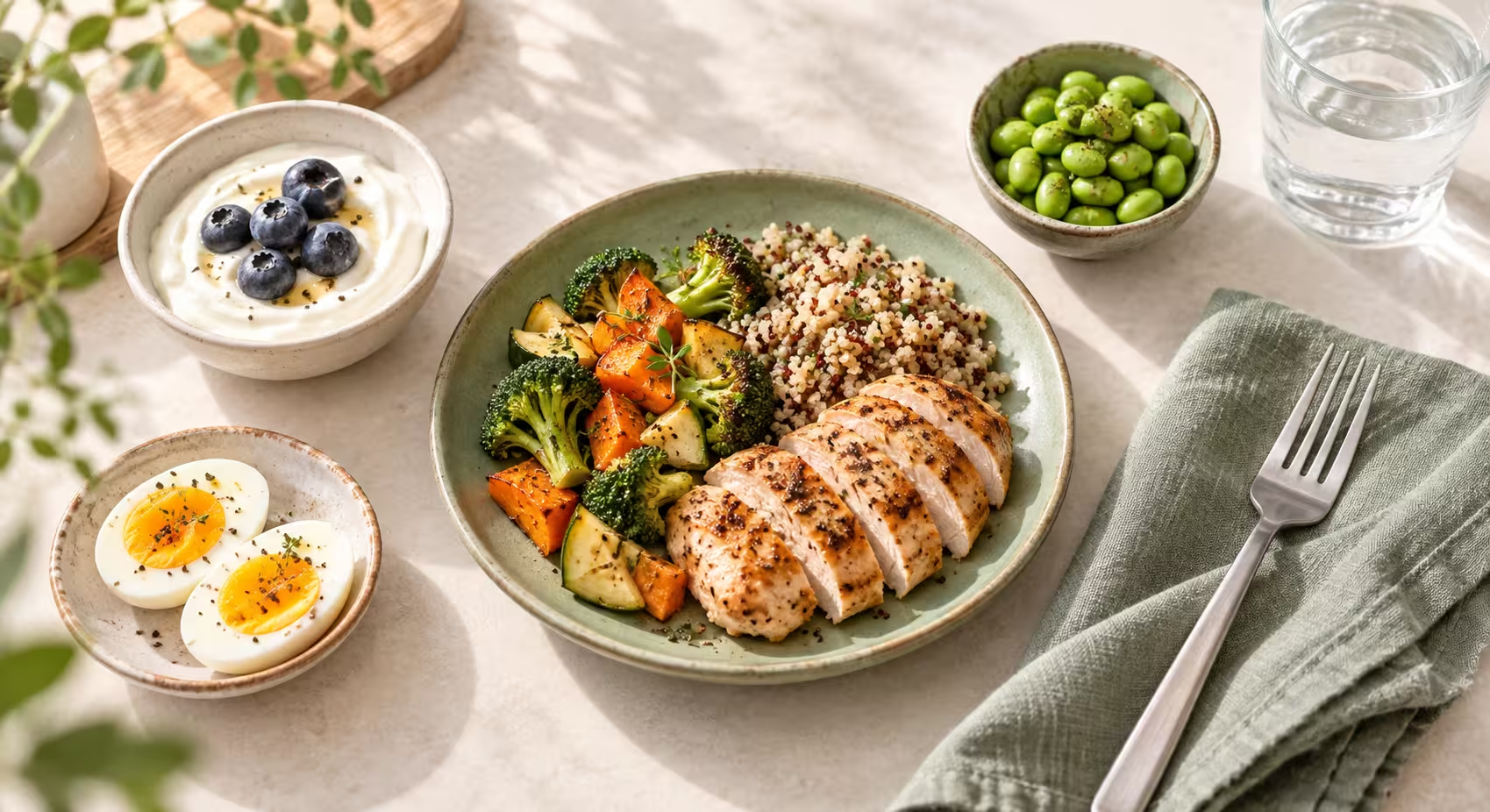
When meals are built around:
…blood sugar rises more gradually and falls more steadily.
That stability impacts more than weight. It affects:
Without balanced nutrition, even on GLP-1, you can still experience energy dips and inconsistent fueling. With balanced nutrition, you create metabolic calm — and calm systems are efficient systems.
Here’s something people don’t expect: when hunger decreases, intuitive eating becomes harder. You can’t rely on strong hunger cues to guide you. You might skip meals unintentionally. You might under-eat protein. You might forget hydration. That’s where tracking your intake becomes a strength, not a restriction.
The Healthi app gives you visibility into what your body is actually getting, especially protein, which plays a critical role in preserving muscle and maintaining metabolic stability during weight loss.
The flexible BITE system keeps things balanced without feeling rigid, allowing you to prioritize quality and portion awareness without slipping into extremes. When appetite shifts, that structure keeps you from drifting too low in nutrients while still allowing flexibility.
For GLP-1 HealthiCare members, structured meal options like Healthi Fresh provide high-protein, fiber-forward meals specifically designed to complement appetite changes and support muscle retention. When portions shrink, nutrient density has to rise, and having that framework removes the guesswork.

Even when fat loss is progressing, some people begin to notice subtle physical changes like fatigue, slower recovery, reduced endurance, or feeling weaker during workouts. These shifts are not a sign that something is wrong. They are often a signal that your body needs additional support while operating in a calorie deficit. At a cellular level, your body relies on ATP (adenosine triphosphate) as its primary energy source. This energy is produced within the mitochondria and depends on adequate nutrient intake, oxygen utilization, and overall metabolic efficiency.
When calorie intake decreases, mitochondrial output can dip as well, which can leave you feeling drained even if weight loss is moving in the right direction. This is where targeted physical and metabolic support can make a meaningful difference. HealthiCare offers body-focused support options designed to help maintain energy, preserve lean muscle, and support overall metabolic function during weight loss. These solutions are built to work alongside your nutrition and GLP-1 therapy, not replace them, helping your body stay strong, energized, and resilient as it adapts.
This type of support becomes especially valuable when you are balancing fat loss with maintaining strength, recovery, and daily performance. You can explore these options here: https://healthicare.com/treatment/body
GLP-1 reduces appetite, but nutrition is what preserves muscle. Protein protects your metabolism, fiber stabilizes blood sugar, and structure maintains consistency when hunger cues shift. When these systems work together, weight loss becomes more than just eating less, it becomes metabolically strategic. You’re not simply shrinking intake; you’re directing your body to prioritize fat loss while maintaining the lean tissue that keeps your metabolism strong.
That’s how you protect lean mass, maintain metabolic rate, stabilize energy, and improve insulin sensitivity all at the same time. It’s also how you build habits that survive beyond medication. Because the real goal isn’t short-term scale movement — it’s sustainability. GLP-1 opens the door by quieting appetite and improving insulin signaling, but nutrition determines what you build once you’re inside. When you align both intentionally, you’re not just changing a number on the scale; you’re reinforcing the biological systems that make lasting health possible.
The conversation around GLP-1 and nutrition shouldn't be one versus the other. The most effective, sustainable results happen when both are working together with intention. GLP-1 helps regulate appetite, improve insulin response, and reduce the constant mental pull toward food. Nutrition ensures that what you do eat supports muscle preservation, stable energy, and long-term metabolic health.
When you combine structured eating, adequate protein, balanced meals, and supportive tools like the Healthi app with GLP-1 therapy and expert guidance through HealthiCare, weight loss becomes more than just a reduction in calories. It becomes a strategic, supported process that protects your body while improving it. Understanding the total monthly cost of GLP-1 before starting can also help you plan for this kind of long-term, supported approach.
This is not about eating as little as possible. It is about making what you eat count. When you approach your journey this way, you are not just losing weight. You are building a stronger metabolism, more stable energy, and habits that will carry you forward long after the medication is gone.
September 24, 2026















.avif)