Weight Loss

All Treatments
Resources


All Treatments
Weight Loss Treatments
Tirzepatide
Semaglutide
Wegovy Pill
Resources
Healthi App
Blog
Member Meetings
Recipes
Podcast
Patient Sign in



Sugar cravings don't magically disappear on their own, but GLP-1 medications can make them noticeably quieter. When your hunger cues shift and your cravings lose their hold, it opens the door to habits that finally feel doable. Here is why this happens and how to take full advantage of it.
GLP-1 medications can quiet sugar cravings, but they don't always switch them off. If you're still thinking about sweets during treatment, or cravings have crept back after easing, there are reasonable explanations worth knowing about. Here's why sugar cravings can persist or return on a GLP-1, and what can help. In studies, average cravings dropped rather than disappeared: a small 12-week trial of semaglutide in adults with obesity found lower self-reported cravings on average, and a secondary analysis of tirzepatide in 55 adults with obesity found average reductions that included sweets. Both were small, industry-sponsored studies in obesity-focused populations, so they describe averages, not what any one person will experience.
If you've ever tried to cut sugar cold turkey, you already know how stubborn cravings can feel. You want something sweet, you try to push past it, and suddenly that craving is all you can think about. GLP-1 medications can interrupt that pattern, likely through several routes involving appetite, fullness, and food reward that researchers are still working to untangle. Understanding why this happens is what lets you use it to your advantage instead of white-knuckling through the day.
GLP-1s slow how quickly food leaves your stomach, and that slower pace can add to a feeling of fullness, especially earlier in treatment. Whether that fullness is what eases sugar cravings hasn't been established. In one 20-week trial of semaglutide 2.4 mg in adults with obesity, an indirect measure found no evidence of delayed gastric emptying at week 20. That single result, from one indirect measurement at one time point, doesn't rule out slower emptying earlier in treatment or in any individual.
GLP-1s help regulate how your body responds to insulin, which supports steadier blood sugar after you eat. For some people, that steadier pattern comes with fewer sudden urges for something sweet and more balanced hunger cues across the day, though it doesn't happen the same way for everyone.
GLP-1s also act in the brain, on pathways tied to food reward. That may be part of why food noise, the background hum of thoughts about eating, can quiet down during treatment. Whether that effect works the same way for sugar specifically hasn't been settled. A review of research on how these medications affect eating describes the evidence around appetite, food choice, and reward-related pathways as still developing, with real gaps remaining. It doesn't establish a single sugar-specific mechanism, so reward effects are best read as one plausible piece, not the proven cause of your own cravings.
GLP-1 medications can strengthen fullness cues, which may make it easier to notice the difference between physical hunger and a craving shaped by emotion, habit, or routine. Those learned cues can still show up even when you feel physically satisfied. If emotions tend to drive your eating, how GLP-1s help break the emotional eating cycle looks at that pattern more closely.
If you've noticed sugar pulling at you again after weeks of relative quiet, you're not doing anything wrong, and it doesn't mean your medication has stopped working. A few things are usually behind it:
Learn more about personalized tirzepatide.
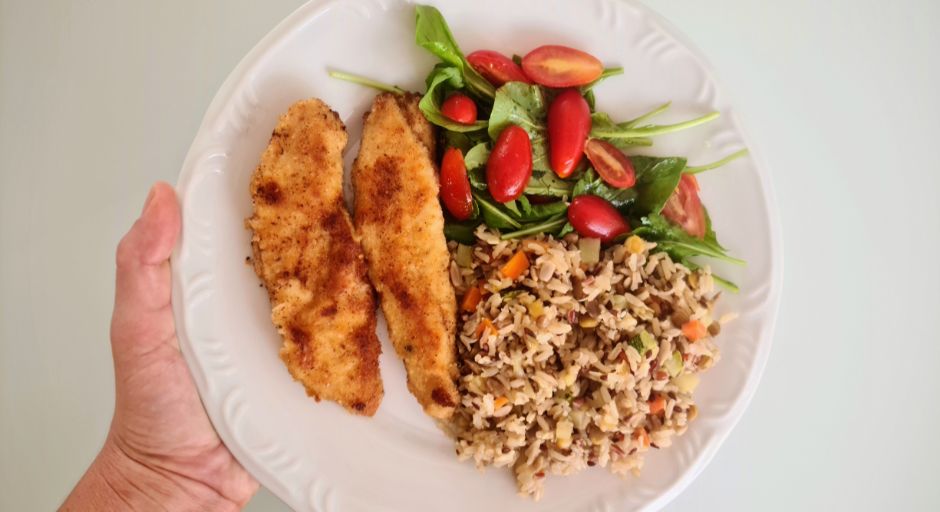
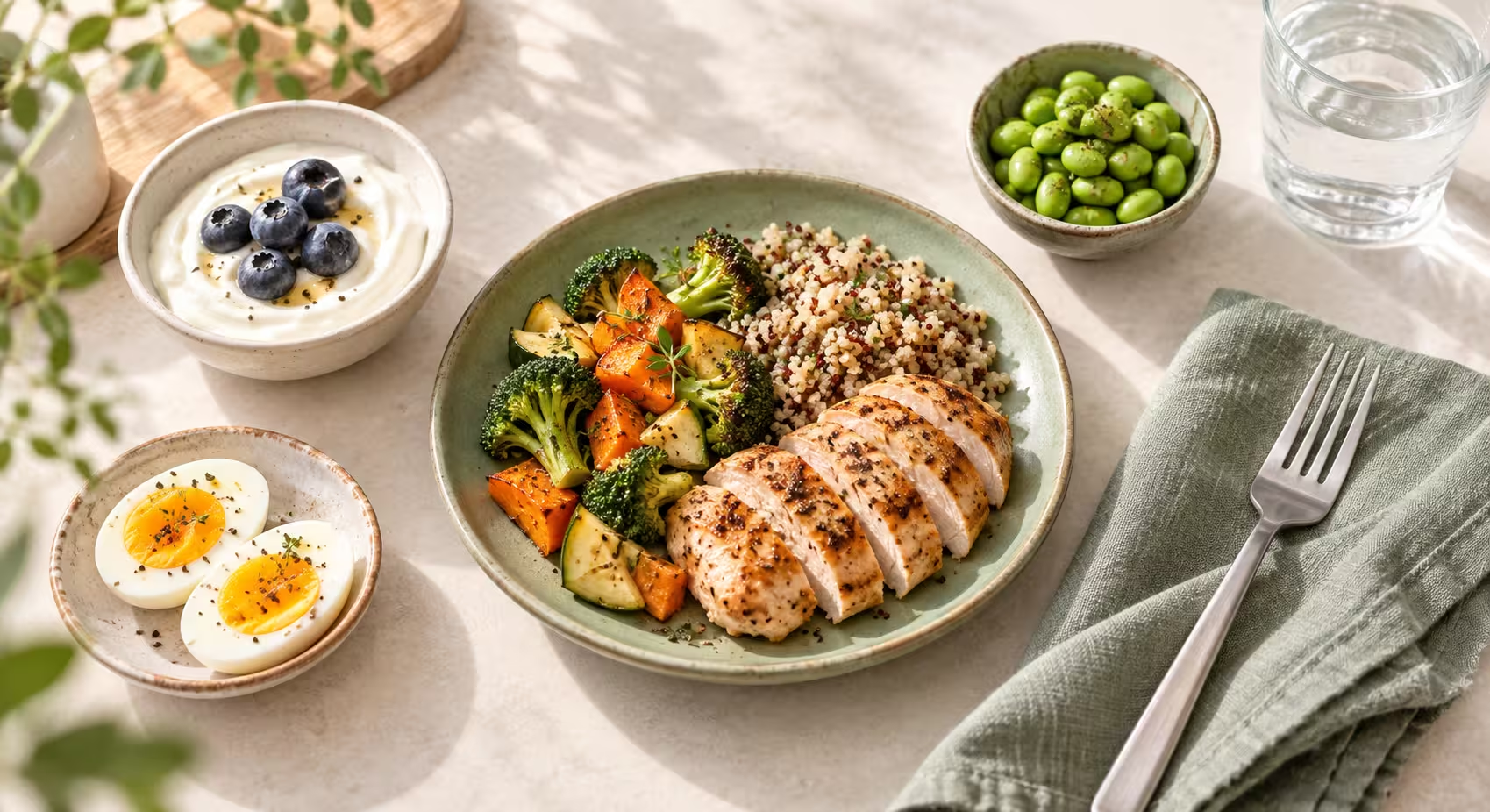
When cravings are quiet, it becomes easier to focus on protein, fiber, and whole foods that support steady energy. While cravings are quieter, it can be easier to practice balanced meals and see what actually works for you.
You don't have to give up dessert to be successful. Use this time to experiment with options that feel good and don't create crashes. A square of dark chocolate, Greek yogurt with berries, baked apples, or a protein-rich sweet snack can all fit, and it's worth noticing which options feel satisfying to you.
If some foods trigger symptoms for you or make eating harder, this guide to foods that tend to cause trouble on a GLP-1 lays out what to know.
GLP-1 medications create a different rhythm for hunger. You might notice fewer snack cravings or that certain foods feel too rich or too sweet. Pay attention to those signals and let them guide your choices instead of old habits.
Hydration can be a reasonable check when a craving catches you off guard. Pause for a glass of water or herbal tea, then notice whether you still want something sweet. If you do, you can choose it more mindfully.
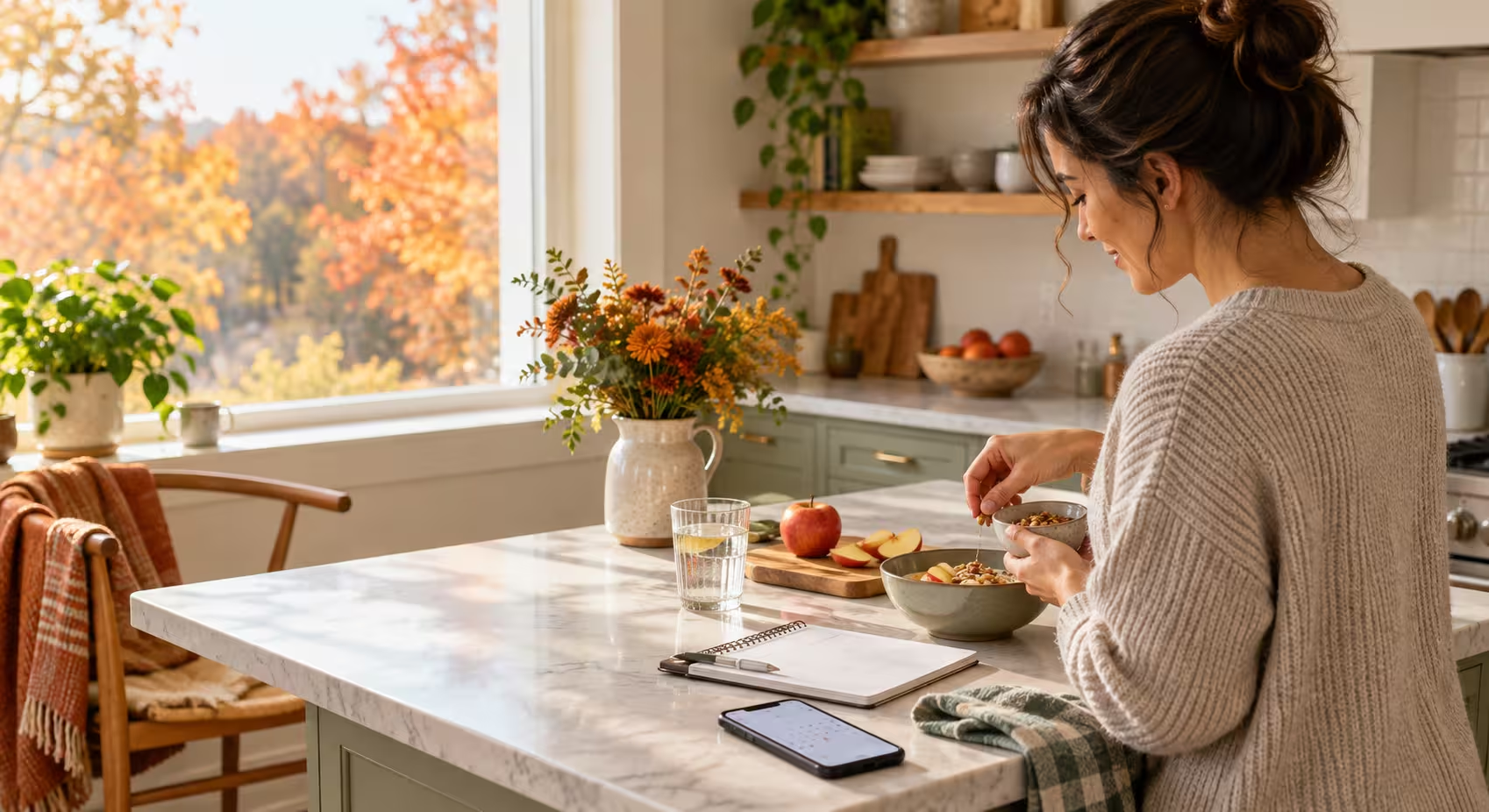
This is the moment many people underestimate. When cravings aren't yelling at you, it becomes easier to practice portion control, reduce nighttime snacking, and build a more mindful eating routine. Practicing portion awareness, easing off nighttime snacking, and building mindful routines now can give you skills that stay useful however your response to medication changes over time.
The Healthi app makes it easy to stay mindful during this new phase of calmer cravings. You can track meals, macros, water intake, and activity so you see exactly how your choices support your goals. Logging your food helps you notice which meals keep your cravings quiet, and the recipe builder makes it easy to create lighter, protein-friendly sweet treats that actually fit your day. Try a few options from our GLP-1-friendly recipes to get started.
If you're weighing questions like these with a medication involved, HealthiCare's process starts with an intake, followed by a consultation with a licensed clinician. A personalized plan or prescription is provided only if the clinician determines it's appropriate, with transparent pricing and shipping where applicable, and ongoing clinical and coach support is available along the way.
If cost is part of what's holding you back from starting, here's a full breakdown of what GLP-1 treatment actually costs and what's included at HealthiCare. You can also see how HealthiCare's GLP-1 weight loss treatment works and get started with a plan built around your goals.
Learn more about personalized semaglutide from HealthiCare.
No GLP-1 medication eliminates cravings completely, and it's common for cravings to ease and then partially return. It usually points to meal timing, low intake of a key nutrient, or a dose adjustment period rather than the medication failing. If it persists past a couple of weeks, it's worth a conversation with your care team.
Cravings typically soften gradually over the first several weeks as your dose stabilizes rather than changing overnight. Give it time before judging whether it's working.
Yes. GLP-1s aren't a reason to cut out dessert entirely. The goal is choosing sweets that don't crash your blood sugar, like fruit, dark chocolate, or a protein-forward treat, rather than treating any sugar as off-limits.
Tirzepatide activates both GLP-1 and GIP receptors, and some people find the appetite and craving effects feel stronger than on semaglutide alone. Results vary by person, so this is a good topic to bring up when choosing a medication with your provider.
Late-night cravings are often about the day's eating pattern catching up with you. A protein-forward dinner, water before reaching for a snack, and a consistent bedtime routine tend to help more than willpower alone.
September 22, 2026










.avif)