Weight Loss

All Treatments
Resources


All Treatments
Weight Loss Treatments
Tirzepatide
Semaglutide
Wegovy Pill
Resources
Healthi App
Blog
Member Meetings
Recipes
Podcast
Patient Sign in
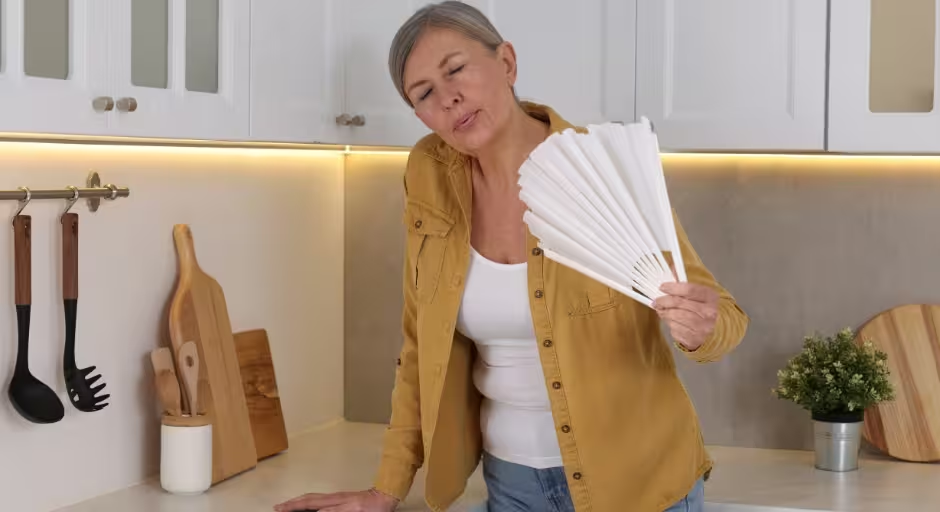


Summer heat can make menopause hot flashes feel even more uncomfortable, but you don't have to spend the season feeling miserable. Small adjustments to your daily routine can help you stay cooler, sleep better, and enjoy everything summer has to offer.
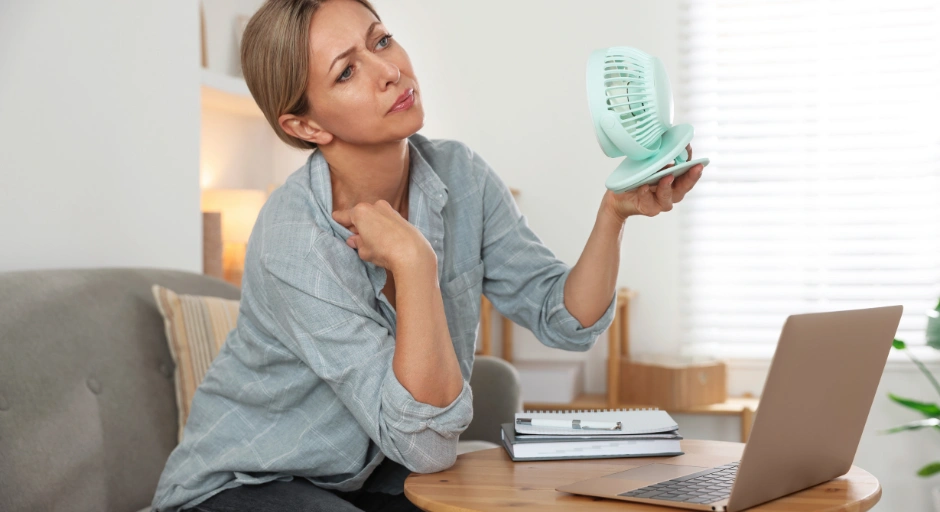
Summer and menopause can be a frustrating combination. If you've noticed your hot flashes feel stronger, happen more often, or last longer during the warmer months, you're probably not imagining it. Higher outdoor temperatures, humidity, direct sunlight, and warm nights can all make it harder for your body to cool itself once a hot flash begins.
Many women assume they simply have to "push through" the summer, but that isn't the case. While you can't always prevent a hot flash, there are practical ways to reduce your discomfort and make the season much more enjoyable. Small daily habits often have a bigger impact than people expect, especially when they're combined with treatment options that address menopause symptoms at their source.

One of the biggest reasons summer menopause hot flashes feel more intense is that your body is already working harder to regulate its temperature. Menopause affects the hypothalamus, the part of your brain responsible for controlling body temperature. As estrogen levels decline, that internal thermostat becomes more sensitive, making your body react as though it's overheating even when your temperature hasn't changed very much.
When you add ninety-degree weather, humidity, and time spent outdoors, your body has even fewer opportunities to cool itself. That's why a hot flash that feels manageable during the winter may feel much more uncomfortable in the middle of July.
The good news is that understanding what's happening makes it easier to prepare for it. Rather than avoiding summer altogether, you can build habits that help your body stay cooler throughout the day.
Hydration becomes even more important during menopause, especially in the summer. Hot flashes increase body heat, and warm weather causes you to lose more fluids through sweat. Even mild dehydration can leave you feeling hotter, more fatigued, and less comfortable throughout the day.
Instead of waiting until you feel thirsty, make drinking water part of your daily routine. Carry a reusable water bottle, refill it often, and keep cold water nearby whether you're working, traveling, or spending time outside.
You can also increase your fluid intake through hydrating foods. Watermelon, cucumbers, strawberries, oranges, lettuce, celery, tomatoes, and peaches all contain a high percentage of water while providing vitamins and antioxidants that support your overall health. Including these foods in meals and snacks is an easy way to stay hydrated without thinking about it all day long.
If you're spending several hours outside or sweating heavily, electrolyte drinks with little or no added sugar may also help replace fluids you've lost.
The clothes you wear can make a noticeable difference when you're managing hot flashes.
Lightweight, breathable fabrics like cotton, linen, bamboo, and moisture-wicking athletic materials allow heat to escape more easily than heavier fabrics. Loose-fitting clothing also improves airflow and can help you cool down faster if a hot flash starts unexpectedly.
Layering is another simple strategy that works well. A lightweight cardigan or overshirt is easy to remove when you feel your body temperature rising, then put back on once the hot flash passes. This approach gives you more control, especially if you're moving between air-conditioned buildings and the summer heat.
Choosing lighter colors may also help since dark fabrics tend to absorb more heat from the sun.
Sometimes relief comes from being prepared before a hot flash begins.
Many women find it helpful to carry a portable hand fan, cooling towel, insulated water bottle, or facial mist when they're spending time outdoors. These small items don't take up much space, but they can make a significant difference when temperatures climb.
If you're attending outdoor events like baseball games, concerts, festivals, or cookouts, look for shaded seating whenever possible and take breaks indoors if you begin feeling overheated. Even a few minutes in an air-conditioned space can help your body recover more quickly.
At home, using ceiling fans, keeping blackout curtains closed during the hottest part of the day, or lowering the thermostat slightly before bedtime may help improve comfort, particularly if nighttime hot flashes interrupt your sleep.
Not every hot flash has the same trigger. While hormone changes are the underlying cause, certain foods, beverages, or situations may make symptoms feel more intense for some women.
Common triggers include alcohol, spicy foods, hot beverages, caffeine, emotional stress, and spending long periods in direct sunlight. That doesn't mean you have to avoid every one of these things forever. Instead, pay attention to your own patterns.
Keeping a simple journal for a few weeks can help you identify what tends to trigger your symptoms. You may notice that an afternoon glass of wine feels fine indoors but contributes to stronger hot flashes when you're sitting outside in ninety-degree weather. Small observations like these make it easier to adjust your routine without feeling overly restricted.
Every woman experiences menopause differently, so your triggers may not be the same as someone else's.
Many women spend years trying to manage menopause symptoms on their own because they believe hot flashes are simply something they have to tolerate. While lifestyle changes can absolutely help, they aren't the only option.
If your hot flashes are interfering with sleep, affecting your daily activities, or making it difficult to enjoy your life, it's worth talking with a healthcare provider about treatment options. You don't have to wait until your symptoms become unbearable before asking for help.
Relief is available, and finding the right approach can make a tremendous difference in how you feel every day.
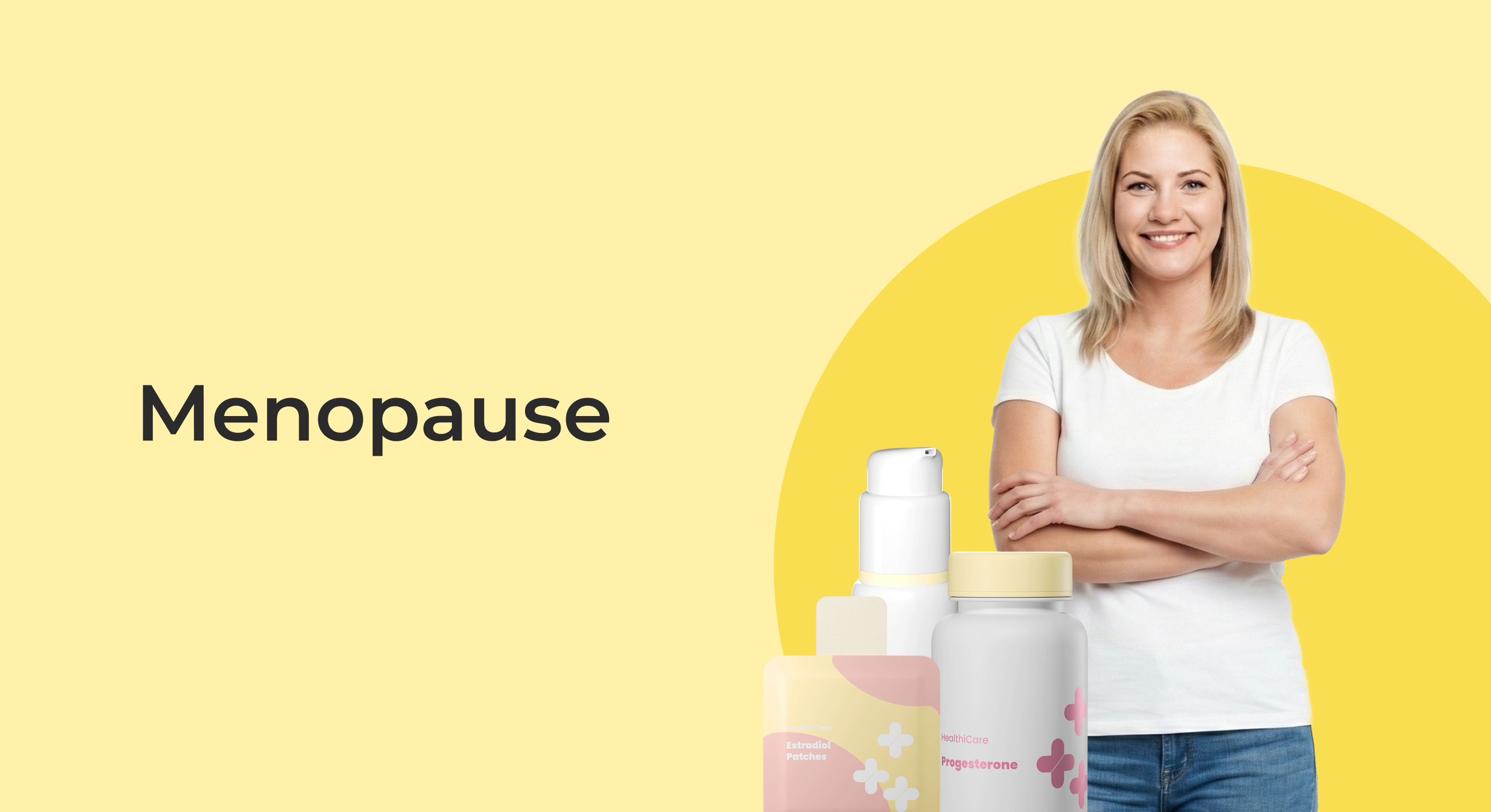
Lifestyle changes can help you feel more comfortable during menopause, but sometimes your body needs additional support. HealthiCare offers personalized menopause treatment options designed to help women manage symptoms with guidance from licensed healthcare providers.
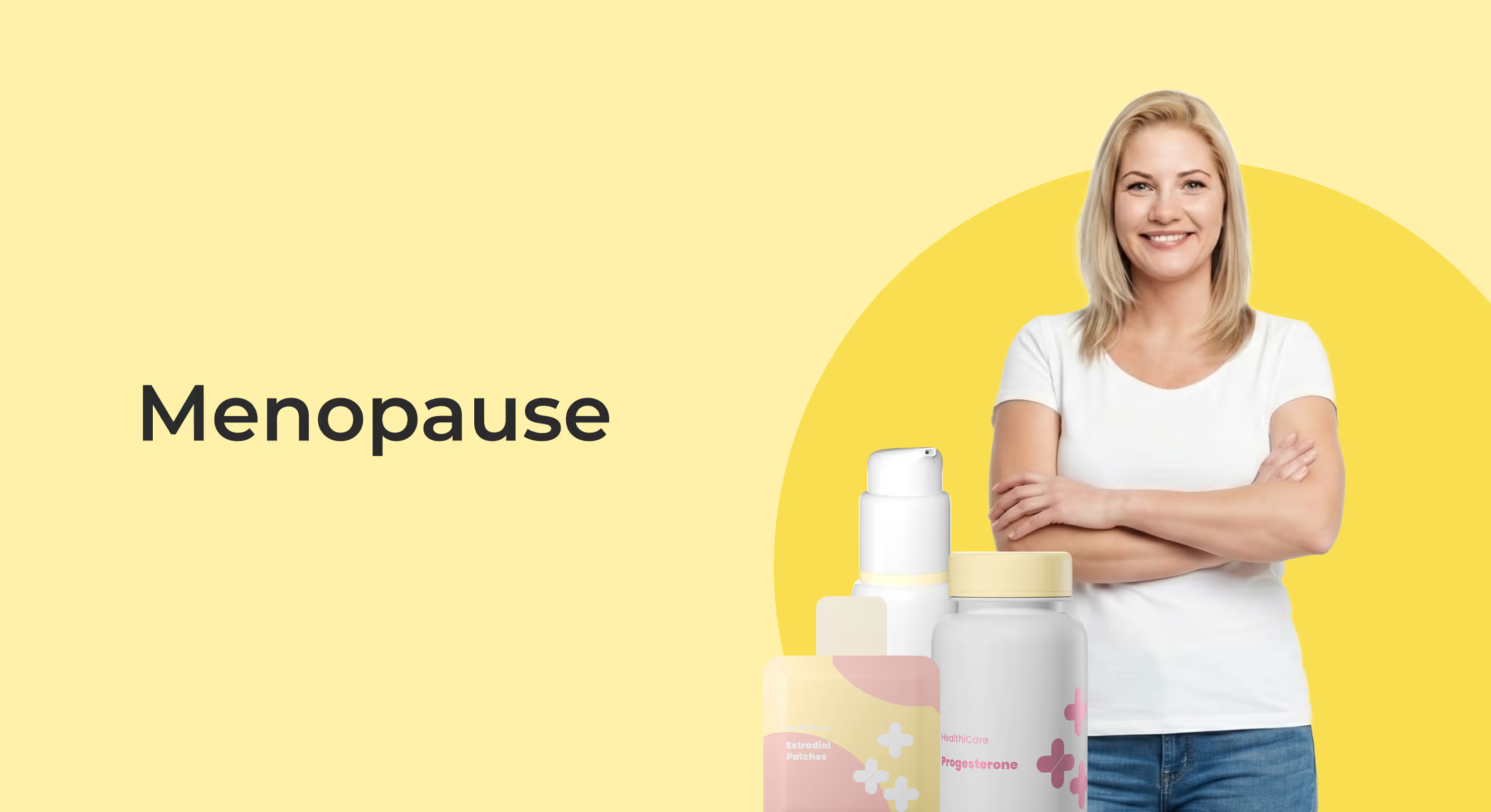
Depending on your individual needs and medical history, treatment options may include hormone therapy, including estradiol patches and estradiol cream, to help address symptoms like hot flashes, night sweats, vaginal dryness, and other changes that often occur during menopause. Your provider works with you to determine the approach that best fits your health goals, giving you personalized care instead of a one-size-fits-all solution.
Managing menopause isn't about simply getting through it. It's about finding ways to continue feeling like yourself while protecting your long-term health and quality of life.
Summer doesn't have to become a season you dread because of menopause hot flashes. While you can't control the weather, you can make choices that help your body stay cooler and more comfortable throughout the day.
Staying hydrated, wearing breathable clothing, planning ahead for outdoor activities, paying attention to your personal triggers, and talking with a healthcare provider when symptoms become difficult to manage can all make a meaningful difference. Many women find that combining these everyday habits with appropriate medical treatment helps them enjoy summer again instead of counting down the days until cooler weather arrives.
Menopause is a natural stage of life, but feeling miserable doesn't have to be part of the experience.
July 28, 2026