Weight Loss

All Treatments
Resources


All Treatments
Weight Loss Treatments
Tirzepatide
Semaglutide
Wegovy Pill
Resources
Healthi App
Blog
Member Meetings
Recipes
Podcast
Patient Sign in



GLP-1 medication can be a helpful tool for weight loss, but the habits you build alongside it matter, too. Protein, hydration, movement, sleep, and consistent nutrition can all support your health and help you get more from your treatment.
If you're taking a GLP-1 medication and wondering what you can do to get the most from your treatment, the answer goes beyond the medication itself. Healthy habits that make GLP-1 more effective include eating enough protein, staying hydrated, getting regular movement, prioritizing sleep, and creating routines you can actually maintain. These habits don't replace your medication, but they can support the changes you're working toward and help you take better care of your body throughout the process.
GLP-1 medication can make some parts of weight loss easier, especially when it comes to appetite and food cravings. However, medication doesn't make nutrition, movement, hydration, or recovery unimportant. In fact, reduced appetite can make it even more important to pay attention to what you're eating and drinking.
The biggest difference often comes from what happens alongside your medication.

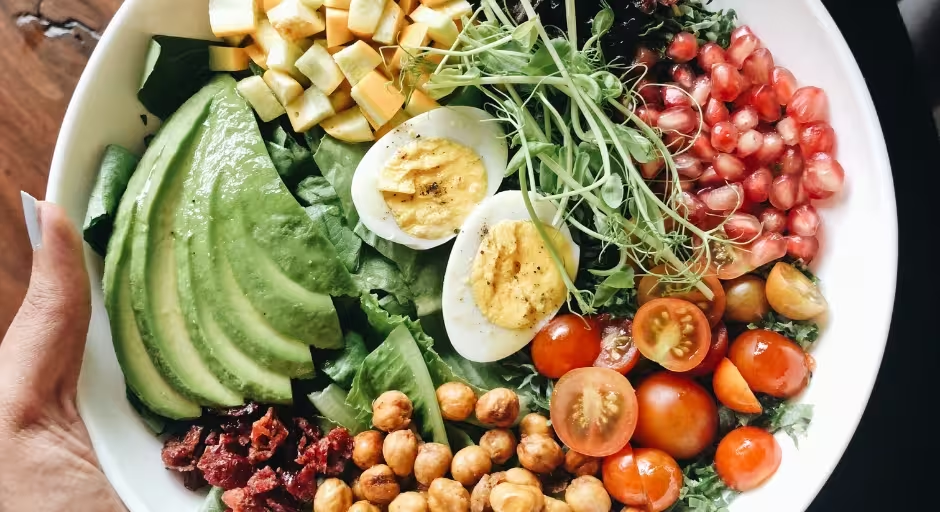
One of the most important things you can do while taking a GLP-1 is make the food you do eat count. A lower appetite may mean you're eating smaller portions, so choosing foods that provide protein, fiber, vitamins, and minerals can help you meet your body's needs.
This doesn't mean every meal needs to be perfectly balanced. It means making nutrient-dense foods a regular part of your routine.
Protein deserves extra attention during weight loss. It helps support lean muscle and can make meals more satisfying, which is especially helpful when your appetite is lower.
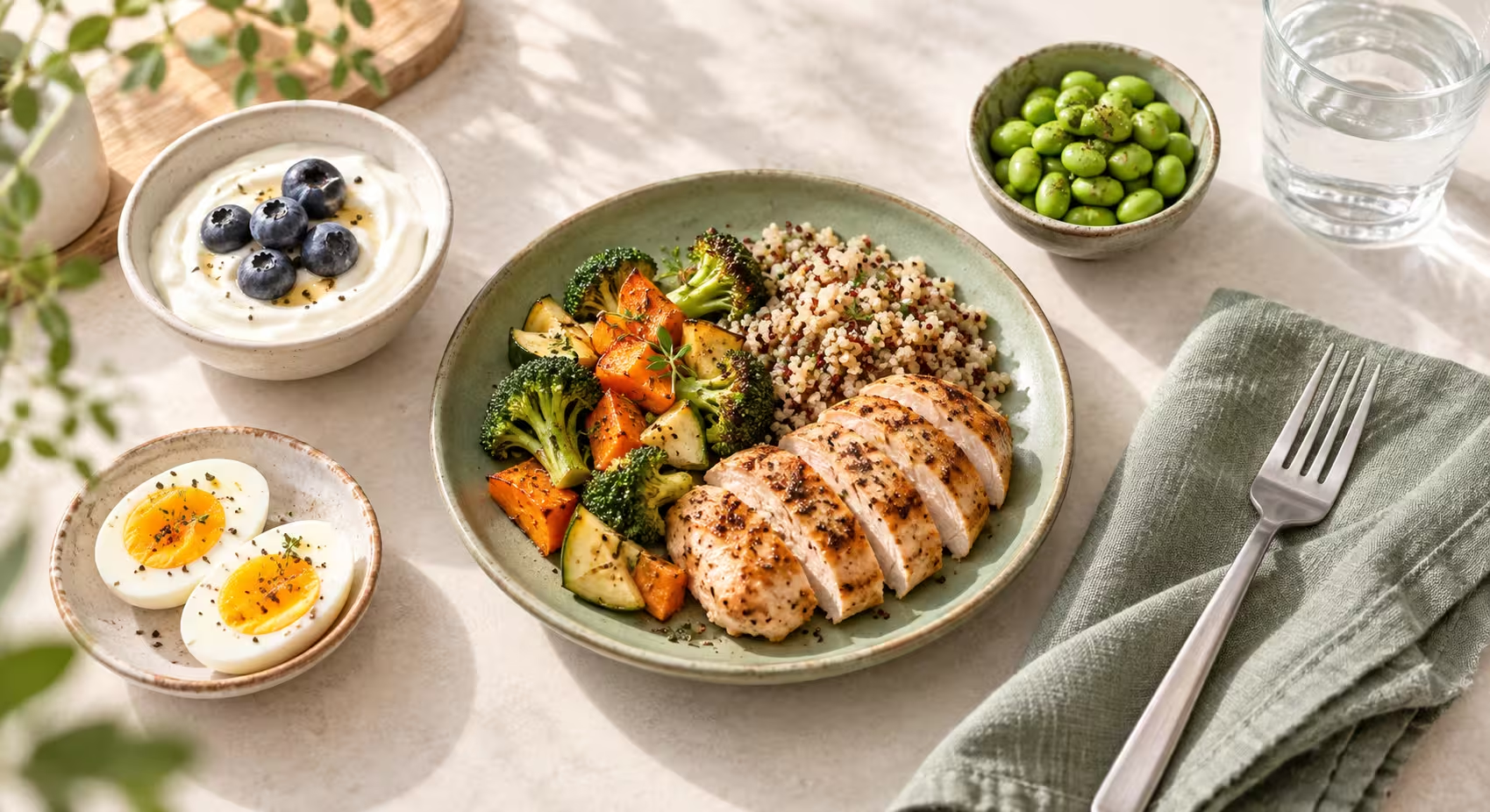
Try starting meals with a protein source such as eggs, Greek yogurt, cottage cheese, chicken, turkey, fish, lean beef, tofu, or beans. Protein shakes can also be useful on days when eating a full meal feels difficult.
The amount of protein you need depends on factors such as your body size, activity level, age, and health goals. If you're unsure about your individual needs, a healthcare professional or registered dietitian can help you determine an appropriate target.
Fiber can be easy to overlook when portions become smaller. Fruits, vegetables, beans, whole grains, chia seeds, and other high-fiber foods can help you build a more nutritious diet while supporting digestive health.
Rather than trying to add huge amounts of fiber at once, work it into meals throughout the day. A handful of berries with Greek yogurt, vegetables alongside lunch, or chia seeds added to overnight oats can all make a difference without making meals feel complicated.
Drinking enough fluids should be one of your everyday priorities while taking a GLP-1 medication. Busy schedules, warmer weather, exercise, and changes in appetite can all make it easier to forget about hydration.
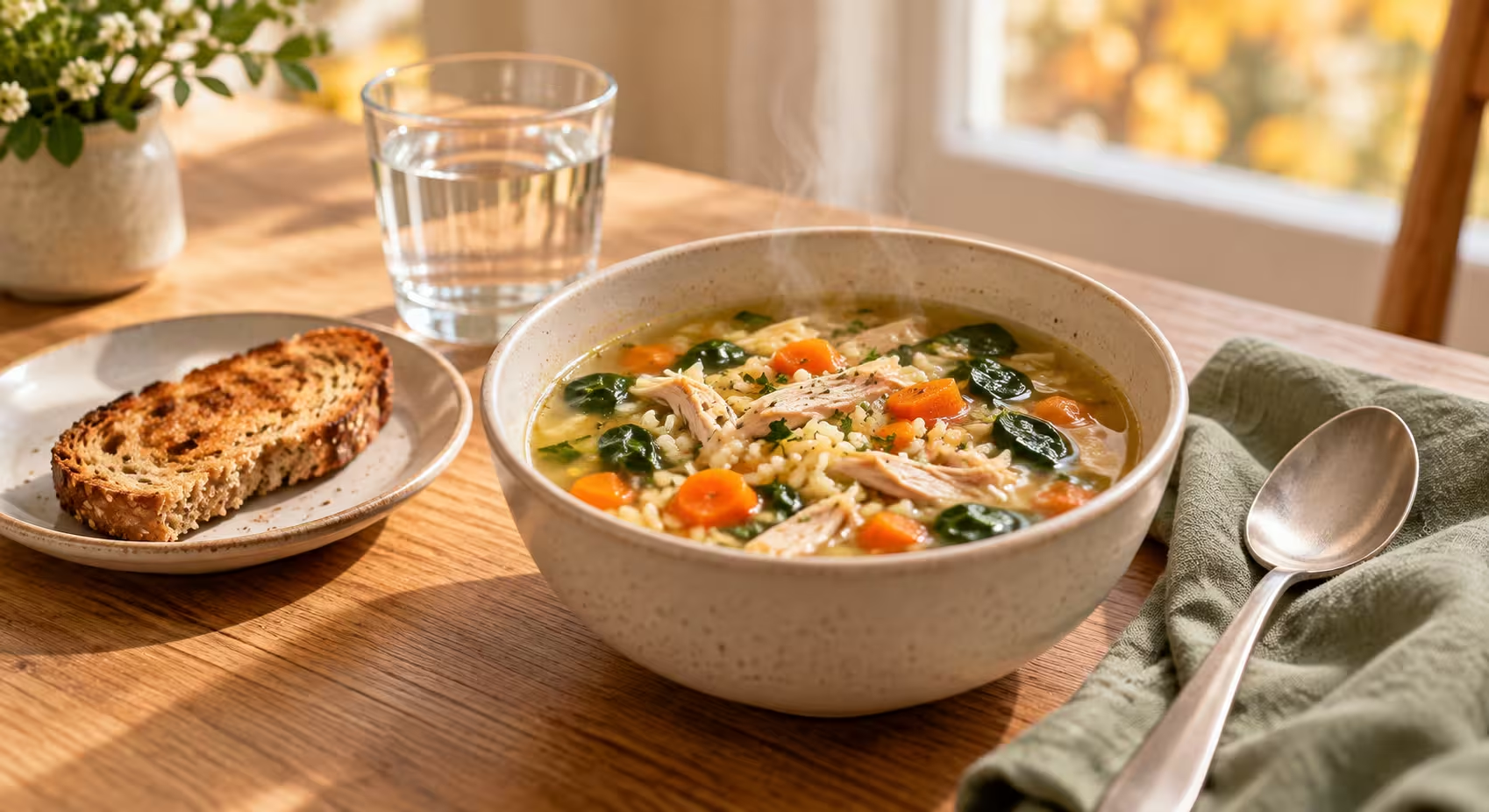
Water is the simplest choice, but it doesn't have to be the only one. Unsweetened tea, sparkling water, low-calorie beverages, and water-rich foods such as watermelon, strawberries, cucumbers, oranges, and soups can all contribute to your overall fluid intake.
Keeping a water bottle nearby can make this habit much easier. If you're exercising or spending a lot of time outdoors, your fluid and electrolyte needs may also change.
If you have been instructed to limit fluids or electrolytes for a medical reason, follow your healthcare provider's recommendations instead.
You don't have to become a gym regular to benefit from movement.
Walking, strength training, swimming, biking, playing with your kids, gardening, or taking an evening walk can all help you become more active. The most useful form of movement is often the one you enjoy enough to keep doing.
Strength training deserves special attention during weight loss. Resistance exercises can help support muscle while you're losing weight, particularly when combined with adequate protein and appropriate nutrition.
If you're new to exercise, start where you are. A few short walks or basic strength exercises can be a much better starting point than creating an intense workout schedule that becomes impossible to maintain.
It's easy to focus on food and exercise while forgetting that sleep plays a major role in how you feel throughout the day.
Poor sleep can leave you tired, make daily routines harder to maintain, and affect your energy for movement and meal preparation. When you're exhausted, reaching for whatever is easiest can also become more tempting.
A consistent bedtime, a cooler and darker bedroom, and putting away your phone before bed can help create a better nighttime routine. You don't need a perfect sleep schedule to benefit from better sleep habits.
The best healthy habits are the ones you can repeat.
A routine that requires meal prepping for three hours every Sunday, exercising seven days a week, and never eating at a restaurant may look great on paper. It may also fall apart the first time work gets busy, the kids have an activity, or you leave town for the weekend.
Instead, choose a few habits that matter most and build around them. Maybe breakfast always includes protein. Maybe you take a 20-minute walk after dinner. Maybe you keep easy meals in the freezer for hectic nights. Those small decisions add up, and they’re easy to stick with.
A lower appetite can be one of the reasons people choose GLP-1 medication, but eating as little as possible isn't the goal.
Your body still needs adequate nutrition while you're losing weight. Consistently eating too little can make it difficult to get enough protein, fiber, vitamins, minerals, and other nutrients.
This is especially important if you're frequently skipping meals because you don't feel hungry. Smaller meals may work better than large ones, and eating on a loose schedule can help you remember to fuel your body even when hunger cues are less noticeable.
If nausea, vomiting, persistent stomach pain, or an inability to eat and drink normally is making it difficult to get adequate nutrition, contact your healthcare provider.
Taking a GLP-1 doesn't mean you need to completely overhaul your life overnight.
Adding every healthy habit at once can create a routine that feels overwhelming. Then, when one part of the plan falls apart, it can feel like everything has fallen apart.
A better approach is to choose one or two habits that will have the biggest impact on your daily life. Once those become more automatic, add another. This gives you room to build a routine without feeling like you're constantly failing at a long list of expectations.
Keep going.
Weight loss doesn't always move at the same pace, even when you're doing everything consistently. Changes in weight can be affected by fluid levels, digestion, activity, food intake, medications, and many other factors.
A slower week doesn't automatically mean your medication has stopped working. Look at the bigger picture instead of judging your progress by one weigh-in.
If your weight loss has stalled for an extended period or you're concerned about your response to treatment, talk with your healthcare provider before making changes to your medication or dose.

GLP-1 medication is one part of a successful weight-loss plan. Having practical tools and ongoing support can make it easier to put healthy habits into practice.
HealthiCare combines GLP-1 treatment with care from licensed healthcare providers and access to the Healthi app. Members can track meals, monitor progress, use the BITE system, access recipes and restaurant guides, and use the Healthi Fresh plan designed around the nutrition needs of people using GLP-1 medication.
That combination matters. You aren't simply receiving a prescription and being left to figure out the rest on your own. Medication, nutrition tools, and ongoing care come together in one place to support the habits that can make your treatment more manageable and sustainable.
GLP-1 medication can be an important tool, but your everyday habits still matter. Eating enough protein, staying hydrated, moving your body, getting better sleep, and creating a routine you can maintain all support your overall health while you're working toward weight loss.
You don't need to change everything at once. Start with the habit that feels most realistic, give it time to become part of your routine, and build from there.
The most helpful question isn't, "What else can I do?" It's "What healthy habit can I consistently give my body today?" Those choices may seem small, but over time, they become the foundation that supports your entire GLP-1 journey.
September 22, 2026











.avif)