Weight Loss

All Treatments
Resources


All Treatments
Weight Loss Treatments
Tirzepatide
Semaglutide
Wegovy Pill
Resources
Healthi App
Blog
Member Meetings
Recipes
Podcast
Patient Sign in


One of the biggest challenges people face on GLP-1 isn’t eating less—it’s making sure they’re still eating enough of the foods their body actually needs. Protein is often the first thing that starts to fall short when appetite decreases, which can make a bigger difference in your results than you might realize.
One of the most common things people notice after starting a GLP-1 medication is how different food suddenly feels.
Meals that used to seem completely normal may now feel too large. Hunger isn’t showing up the way it used to. Cravings are quieter. Sometimes food simply doesn’t sound very appealing at all.
For many people, this is a welcome change. After years of feeling like food was constantly demanding their attention, having a little peace and quiet can feel incredibly freeing.
At the same time, this shift creates a challenge that often catches people off guard.
When appetite drops significantly, it becomes much easier to eat less overall. While that can support weight loss, it can also make it difficult to consume enough protein. And when protein intake starts falling too low, it can impact everything from energy levels and recovery to muscle maintenance and long-term fat loss success.
This is why protein becomes such an important focus during a GLP-1 journey. The goal isn’t simply to eat less food. The goal is to make sure the food you are eating is providing the nutrition your body needs while you’re losing weight.

When most people think about weight loss, they think about calories. While calories certainly play a role, the quality of those calories matters too.
Protein is especially important because it helps preserve lean muscle mass while you’re losing weight. This matters more than many people realize. Muscle supports strength, mobility, metabolism, and overall health. Ideally, when the scale moves down, you want most of that loss to come from body fat rather than muscle tissue.
Protein also tends to be one of the most satisfying nutrients. It can help support fullness, stabilize energy levels, and make it easier to feel satisfied with meals.
The challenge is that protein-rich foods are often the very foods people struggle to eat when appetite is low. A large chicken breast, steak, or protein-heavy meal may feel overwhelming when you’re already feeling full after a few bites.
That’s why finding practical ways to increase protein without forcing large meals becomes so important.
One of the biggest adjustments many people need to make on GLP-1 is learning that hunger can no longer be the only signal that determines when they eat.
Before medication, hunger often showed up consistently throughout the day. Meals happened naturally because your body reminded you it was time to eat. After starting GLP-1, those signals may become much quieter.
If you’re waiting until you’re truly hungry, you may find yourself eating very little throughout the day without even realizing it.
Instead, it can be helpful to create a loose eating schedule. This doesn’t mean forcing yourself to eat large meals. It simply means checking in with your body at regular intervals and looking for opportunities to support your nutrition before you become overly depleted.
Even small amounts of protein eaten consistently throughout the day can add up significantly.
A mistake many people make is assuming they need to sit down to a large protein-heavy meal every time they eat. When appetite is low, that approach can feel intimidating.
Instead of focusing on larger portions, think about finding ways to include moderate amounts of protein more frequently throughout the day. A smaller serving often feels much more manageable while still helping you work toward your goals.
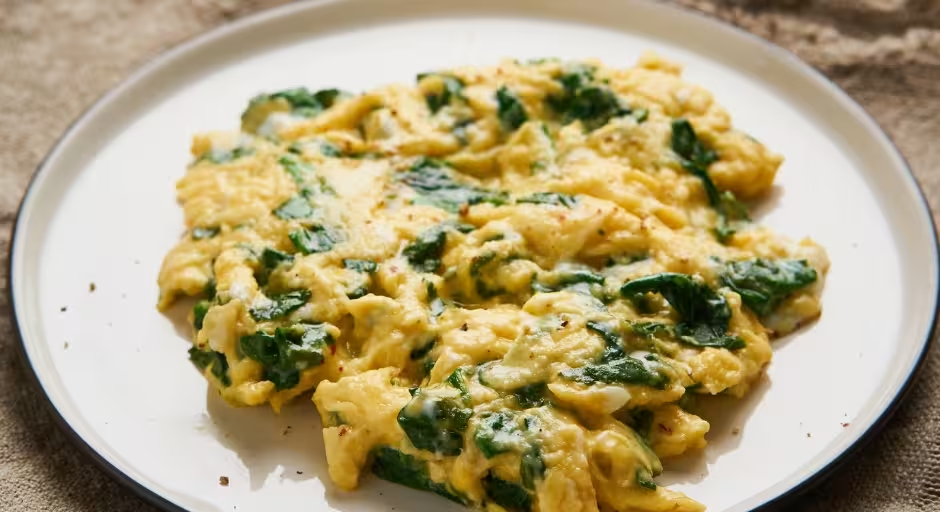
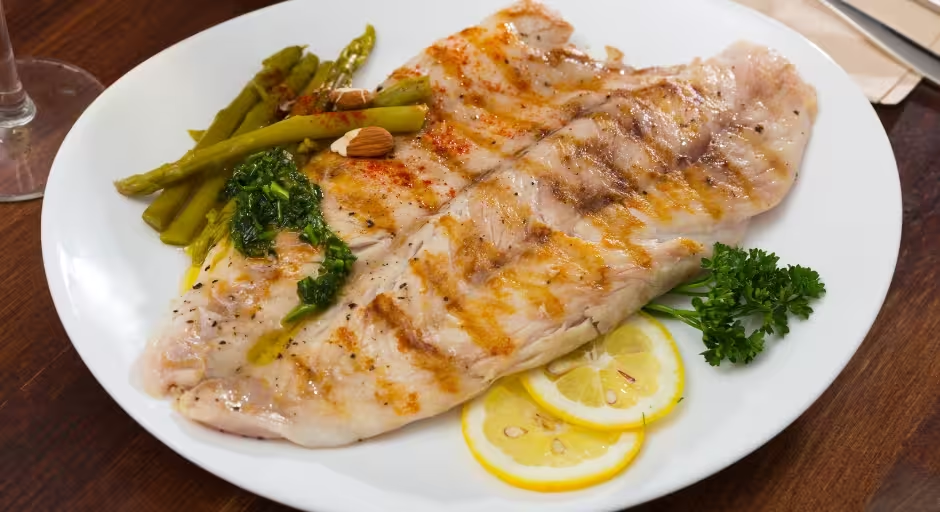
This might look like a Greek yogurt parfait in the morning, a protein shake as an afternoon snack, eggs for lunch, and a smaller portion of chicken or fish at dinner. None of these meals need to feel enormous to make a meaningful contribution to your overall intake.
Many people find they tolerate several smaller protein opportunities much better than one or two large meals.
Not every protein source requires cooking a full meal. In fact, some of the easiest options are often the most helpful on days when appetite is especially low.
Greek yogurt, cottage cheese, protein shakes, Fairlife milk, string cheese, hard-boiled eggs, rotisserie chicken, tuna packets, edamame, and protein bars can all provide convenient ways to increase protein intake without requiring a lot of preparation.
Sometimes the goal isn’t creating the perfect meal. Sometimes it’s simply making sure your body gets the nutrition it needs in a way that feels manageable.
Having a few easy protein options available can make a huge difference on days when cooking feels overwhelming or food isn’t particularly appealing.
Breakfast is often one of the easiest opportunities to increase protein intake for the entire day.
Many traditional breakfast foods are heavily focused on carbohydrates and leave very little room for protein. While there’s nothing wrong with carbohydrates, starting the day with some protein can help set the tone for better nutrition throughout the day.
Greek yogurt bowls, overnight oats made with extra protein, eggs with vegetables, cottage cheese with fruit, or protein smoothies can all be excellent options.
For many people, getting 20 to 30 grams of protein at breakfast makes it much easier to reach their overall protein goals by the end of the day.
When people hear “eat more protein,” they often picture endless grilled chicken breasts and very little else.
Fortunately, protein comes in many different forms.
Greek yogurt, cottage cheese, eggs, seafood, lean beef, turkey, chicken, tofu, edamame, beans, lentils, protein pasta, Fairlife products, and high-protein overnight oats can all contribute to your daily intake.
Finding options you genuinely enjoy is important. The best protein source is often the one you’re actually willing to eat consistently.
A little variety can go a long way toward preventing meal fatigue and making protein goals feel more achievable.
One of the reasons HealthiCare places such a strong emphasis on nutrition education is because appetite reduction is only one piece of the puzzle.
While GLP-1 can make it easier to create a calorie deficit, long-term success depends on preserving muscle, supporting metabolism, and maintaining healthy habits throughout the process. Protein plays a major role in each of those areas.
With HealthiCare, members receive support from licensed clinicians who help guide their journey and provide recommendations that fit their individual needs. The focus isn’t simply on losing weight as quickly as possible. It’s on helping members lose weight in a way that supports their overall health and long-term success.
Members also receive the Healthi app free with their HealthiCare membership. Through meal tracking, the BITE system, and plans like Healthi Fresh, which was specifically designed for GLP-1 users, it’s easier to stay aware of protein intake and build meals that support fat loss while helping preserve lean muscle.
When appetite is lower, having structure becomes even more valuable. Instead of guessing whether you’re eating enough protein, you have tools that help you stay consistent without overcomplicating the process.
One of the biggest misconceptions about GLP-1 is that eating less is the only thing that matters. In reality, what you eat is just as important as how much you eat.
Protein becomes especially important when appetite decreases because it helps support muscle maintenance, energy levels, recovery, and long-term fat loss success. While it may take a little more intention to prioritize protein when food doesn’t sound as appealing, small adjustments can make a significant difference over time.
The goal isn’t to force yourself to eat large meals when you’re not hungry. It’s to find realistic ways to give your body the nutrition it needs while taking advantage of the support GLP-1 provides. When protein becomes a priority, you’re not just supporting weight loss—you’re supporting the strength, health, and habits that help make those results last.
June 18, 2026












.avif)