
Weight Loss

All Treatments
Resources


All Treatments
Weight Loss Treatments
Tirzepatide
Semaglutide
Wegovy Pill
Resources
Healthi App
Blog
Member Meetings
Recipes
Podcast
Patient Sign in
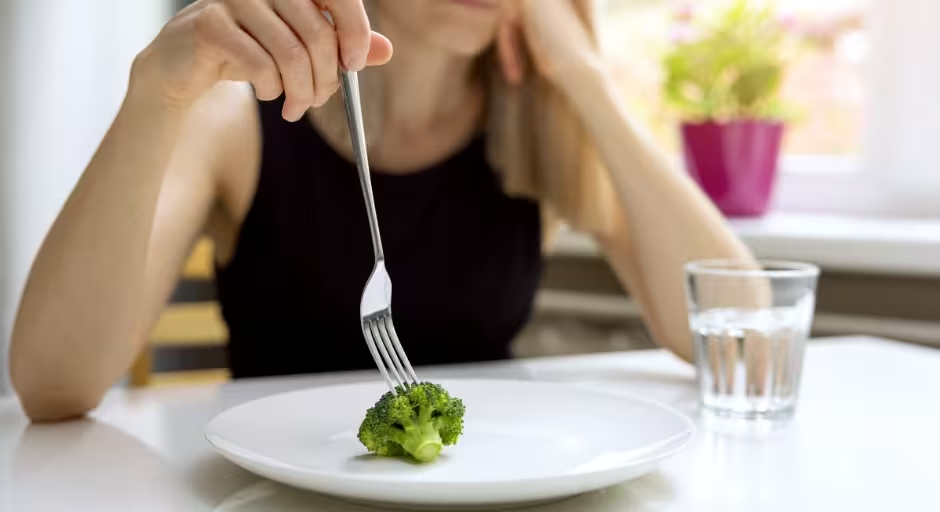


GLP-1 medications can make it easier to eat less, but there’s a difference between reducing calories and under-fueling your body. Understanding that difference can help protect your energy, preserve muscle, and support more sustainable fat loss.
If you’re using GLP-1, you’ve probably had a day where you suddenly realize it’s late afternoon and you’ve barely eaten. Maybe breakfast didn’t sound appealing, lunch wasn’t really on your mind, and before you know it, you’ve gone most of the day on little more than coffee, water, and a few bites here and there.
At first, that can feel like a win.
After all, one of the biggest benefits of GLP-1 medications is that they reduce appetite and quiet food noise. For many people, it’s the first time they’ve ever experienced what it feels like not to think about food constantly. Meals become easier to manage, cravings often decrease, and creating a calorie deficit no longer feels like a daily battle.
The challenge is that sometimes this success gets interpreted as a reason to eat as little as possible.
While a calorie deficit is necessary for weight loss, there comes a point where eating less stops being helpful and starts creating new challenges. Your body still needs protein, nutrients, hydration, and adequate fuel to function well. Losing weight is important, but how you lose it matters just as much.
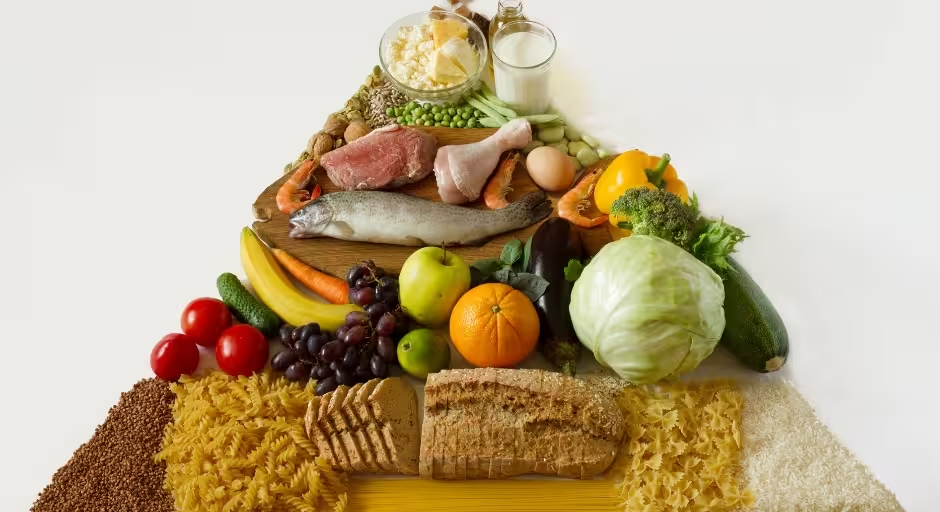
One of the biggest mindset shifts people need to make on GLP-1 is understanding that reduced appetite doesn’t mean reduced nutritional needs.
The medication changes hunger signals, which can make it easier to eat less. What it doesn’t do is eliminate your body’s need for protein, vitamins, minerals, fiber, and energy. Your muscles still need fuel to recover and stay strong. Your body still needs nutrients to support daily functions. Your metabolism still relies on adequate nutrition to perform its countless jobs throughout the day.
This is why simply eating less isn’t always the goal. The real goal is learning how to eat intentionally. When appetite is lower, every meal becomes more important because there are fewer opportunities throughout the day to meet your nutritional needs.
Instead of asking, “How little can I eat?” it can be much more helpful to ask, “How can I make the food I am eating work harder for me?”
One of the most common patterns people experience on GLP-1 is unintentionally under-eating.
It rarely starts with the intention of restricting. More often, it happens because hunger simply isn’t driving your decisions the way it used to. Breakfast gets skipped because you’re not hungry. Lunch gets delayed because you’re busy. Dinner ends up being smaller than expected because you’re full after a few bites.
For a day or two, this may not feel like a big deal. Over time, however, consistently under-fueling can start to show up in ways that aren’t always obvious.
Many people notice their energy levels dropping. Workouts become harder to complete. Daily movement decreases because they simply don’t feel as energized. Some people find themselves struggling with concentration, experiencing headaches, feeling lightheaded, or noticing that they don’t feel quite as strong as they once did.
These experiences aren’t signs that the medication isn’t working. They’re often signs that the body needs more support than it’s receiving.
This is one area that deserves far more attention than it typically gets.
When most people step on the scale, they focus on the number moving down. While weight loss is usually the goal, the type of weight being lost matters.
Ideally, you want to lose body fat while preserving as much lean muscle as possible. Muscle plays an important role in strength, mobility, metabolism, and long-term health. It’s not just something athletes need to think about. It’s something that affects how your body functions every single day.
When protein intake is too low or overall nutrition becomes inadequate, it can become more difficult to preserve lean muscle during weight loss. This is one reason so many experts emphasize protein intake and strength training alongside GLP-1 therapy. The goal isn’t simply to become smaller. The goal is to become healthier while maintaining the strength and muscle that help support your long-term success.

Diet culture has taught many people to associate faster weight loss with better weight loss.
In reality, sustainable progress is usually much less dramatic.
It’s understandable to feel excited when the scale is moving quickly, especially after years of struggling. But long-term success isn’t determined by how quickly you lose weight during the first few months. It’s determined by the habits you build while you’re losing it.
If the only strategy is eating less and less, eventually that approach becomes difficult to maintain. On the other hand, when weight loss is supported by balanced nutrition, adequate protein, movement, hydration, and healthy routines, you’re building skills that continue serving you long after the initial excitement wears off.
The goal isn’t to see how little you can eat. The goal is to create a way of eating that supports both your results and your overall well-being.
Rather than viewing appetite suppression as the finish line, try looking at it as an opportunity.
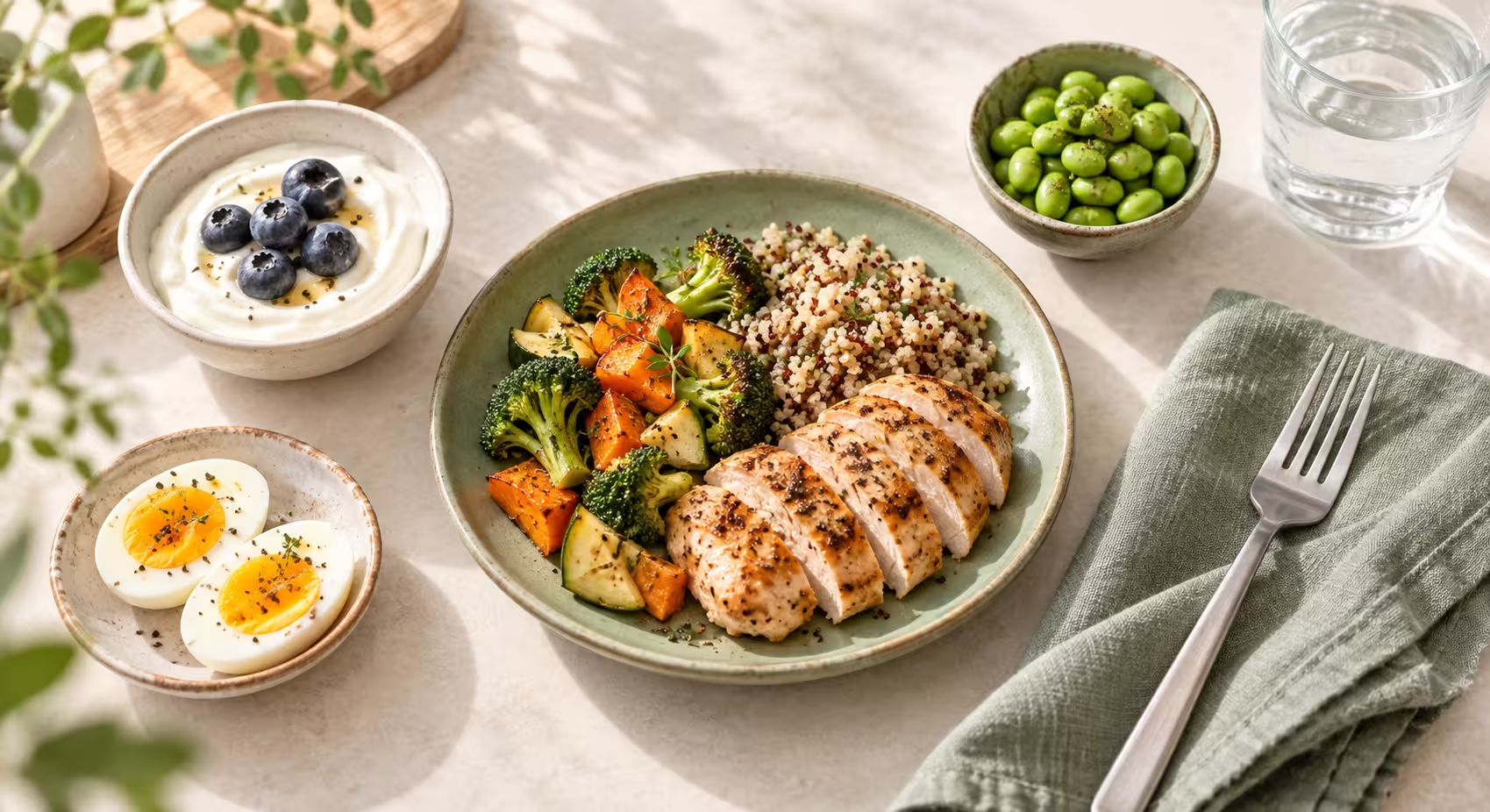
With food noise reduced, many people finally have the space to be more intentional about what they eat. This is an excellent time to focus on building meals around protein, incorporating fiber-rich foods, staying hydrated, and creating routines that support consistent nutrition throughout the day.
Protein is especially important because it helps preserve lean muscle, supports recovery, and contributes to fullness. Fiber helps support digestion and satiety while providing important nutrients that contribute to overall health. Consistent hydration can also help improve energy levels and support many of the body’s natural processes.
None of these habits are particularly flashy, but they’re often the things that make the biggest difference over time.
This is one reason HealthiCare focuses on much more than medication alone.
While GLP-1 can be an incredibly effective tool, long-term success comes from learning how to use that tool alongside healthy habits and sustainable routines. Through HealthiCare, members receive support from licensed clinicians who help guide their journey and provide recommendations based on their individual needs and progress.
Members also receive the Healthi app included free with their HealthiCare membership. Using meal tracking, the BITE system, and structured plans like Healthi Fresh, which was specifically designed for GLP-1 users, members have a framework that helps them stay focused on nutrition quality, protein intake, and balanced eating habits.
GLP-1 medications can make eating less feel easier than it ever has before, but eating less and eating well are not the same thing.
Your body still needs nutrition, protein, hydration, and support throughout the weight loss process. While the scale may respond to a significant calorie deficit, long-term success depends on preserving muscle, maintaining energy, and creating habits that feel sustainable long after the weight comes off.
The most successful GLP-1 journeys are rarely built around restriction. They’re built around learning how to nourish your body in a way that supports fat loss, protects your health, and helps you feel your best along the way.
September 24, 2026

















.avif)
