Weight Loss

All Treatments
Resources


All Treatments
Weight Loss Treatments
Tirzepatide
Semaglutide
Wegovy Pill
Resources
Healthi App
Blog
Member Meetings
Recipes
Podcast
Patient Sign in
.webp)


Spring is a season of fresh starts, longer days, and renewed energy, but it can be tricky to know what to eat when appetite is lower or motivation is wavering. Meals that feel fresh, filling, and metabolically supportive are key to staying on track, protecting muscle, and stabilizing energy while using GLP-1 therapy.
The transition from winter to spring brings changes in activity, sunlight, and hormonal signals, all of which influence energy, appetite, and cravings. Eating meals that are rich in protein, fiber, and healthy fats while incorporating fresh seasonal produce helps maintain lean mass, regulate blood sugar, and provide lasting energy. Rather than focusing on restrictions, spring is the perfect time to embrace meals that feel satisfying and nourishing, turning seasonal motivation into sustainable results.
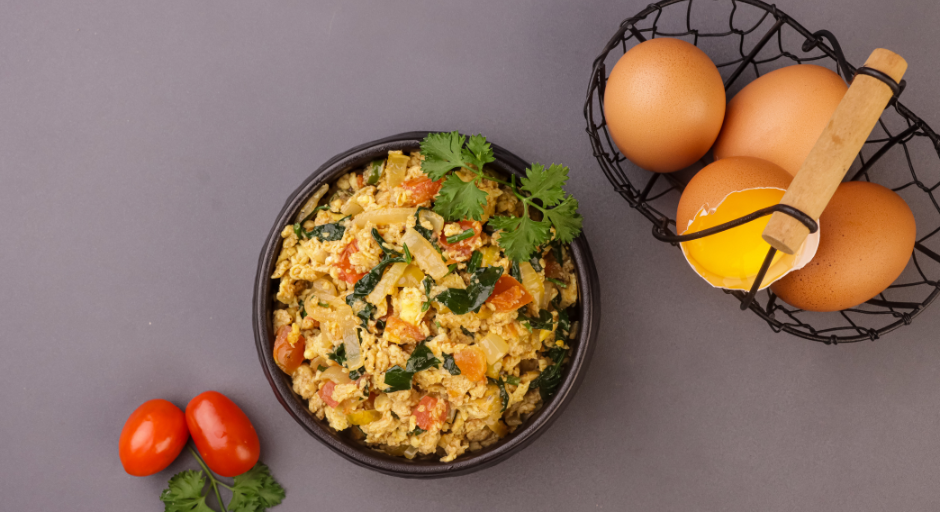
This bright, protein-packed scramble is perfect for spring mornings when you want something satisfying without feeling overly full. It delivers high-quality protein, fiber from fresh vegetables, and balanced healthy fats to support steady energy, especially helpful for those using GLP-1 medications who benefit from nutrient-dense, moderate portions.
Ingredients (1 serving):
Instructions:
Heat olive oil in a nonstick skillet over medium heat. Add asparagus and sauté for 2 to 3 minutes until slightly tender. Stir in spinach and cherry tomatoes and cook just until spinach wilts. In a small bowl, whisk eggs with salt and pepper, then pour into the skillet. Gently scramble with the vegetables until eggs are set but still soft. Transfer to a plate and top with sliced avocado and pumpkin seeds. Serve immediately.
Estimated Nutrition (per serving):
Calories: approximately 420
Protein: 22 grams
Carbohydrates: 14 grams
Fiber: 6 grams
Fat: 33 grams
This balance of protein and fiber supports fullness while keeping carbohydrates moderate, making it a smart, spring-forward option that feels light yet truly satisfying.
This fresh, protein-forward bowl is light, crunchy, and surprisingly satisfying. It is an excellent option for spring when you want something cooling and nourishing that still keeps you full. The combination of protein from cottage cheese, fiber-rich vegetables, and steady carbohydrates makes this especially supportive for anyone focusing on balanced blood sugar or using GLP-1 medications.
Ingredients (1 serving):
Optional Pairing (choose one):
Instructions:
In a bowl, combine cottage cheese, chopped radishes, and cucumber. Sprinkle with smoked paprika, salt, and pepper, then gently stir to combine. Serve immediately with your choice of whole-grain toast or roasted sweet potatoes for added fiber and steady energy.
Estimated Nutrition (without toast or sweet potato):
Calories: approximately 190
Protein: 24 grams
Carbohydrates: 8 grams
Fiber: 1 gram
Fat: 5 grams
With whole-grain toast:
Calories: approximately 290
Protein: 28 grams
Carbohydrates: 28 grams
Fiber: 4 grams
Fat: 7 grams
With roasted sweet potatoes:
Calories: approximately 270
Protein: 26 grams
Carbohydrates: 30 grams
Fiber: 5 grams
Fat: 6 grams
This flexible bowl makes it easy to adjust portions based on your hunger level while keeping protein high and energy steady.

This spring-forward salad is designed to be filling, not flimsy. With lean protein, fiber-rich vegetables, and healthy fats, it supports steady blood sugar and muscle preservation while still feeling light and fresh. It works especially well for those using GLP-1 therapy who need intentional protein in moderate portions.
Ingredients (1 serving):
Simple Lemon Vinaigrette:
Instructions:
Roast asparagus at 400 degrees for about 10 to 12 minutes until tender. In a large bowl, combine arugula, radishes, and roasted asparagus. Top with sliced grilled chicken. Whisk olive oil, lemon juice, salt, and pepper together, then drizzle over the salad. Finish with a sprinkle of hemp seeds and toss gently before serving.
Estimated Nutrition (per serving):
Calories: approximately 420
Protein: 38 grams
Carbohydrates: 12 grams
Fiber: 5 grams
Fat: 25 grams
This balance keeps protein high to support lean muscle while fiber and healthy fats provide staying power, making it a smart, satisfying spring meal that works with reduced appetite rather than against it.
This protein-rich, fiber-forward bowl leans into classic Mediterranean flavors while supporting steady energy and blood sugar balance. With plant-based protein, complex carbohydrates, and heart-healthy fats, it is satisfying without feeling heavy and works beautifully for anyone using GLP-1 who needs nutrient density in moderate portions.
Ingredients (1 serving):
Instructions:
In a medium bowl, combine cooked quinoa and lentils. Add cucumber, cherry tomatoes, red onion, parsley, and mint. In a small bowl, whisk together olive oil, lemon juice, salt, and pepper. Pour the dressing over the mixture and toss gently to combine. Top with crumbled feta and serve slightly chilled or at room temperature.
Estimated Nutrition (per serving):
Calories: approximately 500
Protein: 21 grams
Carbohydrates: 60 grams
Fiber: 14 grams
Fat: 20 grams
The combination of lentils and quinoa provides complete plant-based protein and substantial fiber, which helps slow digestion and stabilize blood sugar. The olive oil and feta add healthy fats and flavor, turning this into a satisfying, balanced spring meal that supports metabolic health while still feeling fresh and seasonal.
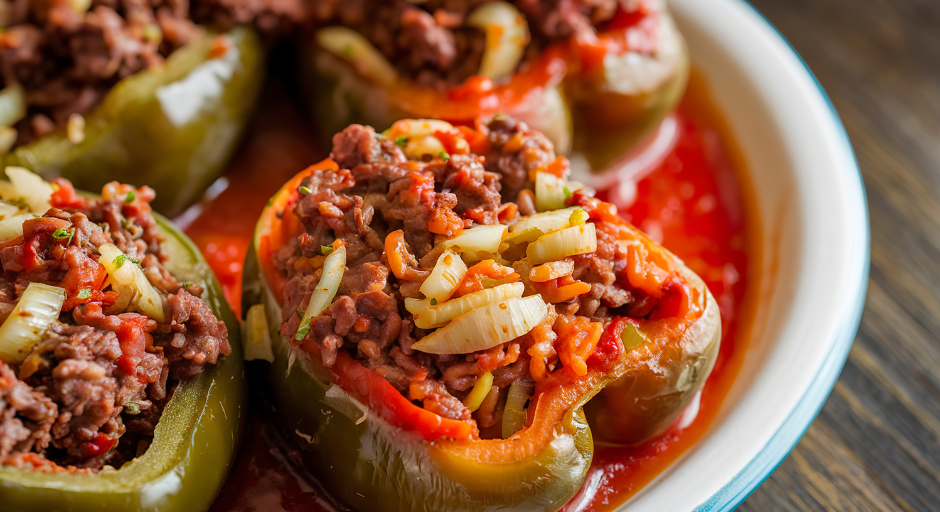
This high-protein, nutrient-dense dish combines lean turkey, quinoa, and fresh spinach inside tender bell peppers for a satisfying meal that supports metabolism, lean muscle, and stable blood sugar. With Mediterranean-inspired herbs and a sprinkle of feta, it’s flavorful, filling, and perfectly suited for anyone using GLP-1 who needs nutrient-dense meals in moderate portions.
Ingredients (1 serving / 1 stuffed pepper):
Instructions:
Preheat oven to 375°F (190°C). Cut the top off the bell pepper and remove seeds and membranes. Set aside. Heat olive oil in a skillet over medium heat. Add ground turkey, garlic powder, oregano, basil, salt, and pepper. Cook until turkey is fully browned, about 5–7 minutes. Stir in chopped spinach and diced tomatoes, cooking until the spinach wilts, about 2 minutes. Remove from heat and mix in cooked quinoa. Stuff the pepper with the turkey-spinach-quinoa mixture and place in a baking dish. Cover with foil and bake for 25 minutes. Remove foil and bake an additional 10 minutes. Top with crumbled feta just before serving.
Estimated Nutrition (per stuffed pepper):
Calories: approximately 310
Protein: 28 g
Carbohydrates: 20 g
Fiber: 5 g
Fat: 14 g
This recipe provides a perfect balance of protein to preserve lean muscle, fiber to stabilize blood sugar, and healthy fats from olive oil and feta for hormone support and sustained energy. The Mediterranean flavors make it satisfying without feeling heavy, turning a nutrient-dense meal into a spring-ready favorite that supports metabolic health and works seamlessly with GLP-1 therapy.
This light, flavorful curry highlights seasonal spring vegetables and plant-based protein from chickpeas, balanced with healthy fats from coconut milk and anti-inflammatory turmeric. Served over cauliflower rice or a small portion of brown rice, it’s a nutrient-dense, satisfying meal that supports steady energy, fiber intake, and overall metabolic health—perfect for anyone using GLP-1 who needs moderate, filling portions.
Ingredients (1 serving):
Instructions:
Heat the olive oil in a skillet over medium heat and stir in turmeric, cumin, garlic powder, salt, and pepper until the spices become fragrant. Add the carrots, asparagus, and peas, cooking for about 5–7 minutes until the vegetables are just tender. Stir in the chickpeas and coconut milk, letting the mixture simmer for 3–4 minutes to allow the flavors to meld. Finally, add the spinach and cook until it wilts and everything is heated through. Serve the curry over cauliflower rice or a small portion of brown rice and enjoy warm.
Estimated Nutrition (per serving, with cauliflower rice):
Calories: approximately 320
Protein: 14 g
Carbohydrates: 35 g
Fiber: 10 g
Fat: 14 g
This curry delivers plant-based protein, fiber, and healthy fats in a flavorful, spring-forward dish. The combination of vegetables, legumes, and spices supports stable blood sugar, digestive health, and sustained energy, making it a smart, satisfying option for anyone navigating appetite changes on GLP-1 therapy.
For more ideas on smart snacking on GLP-1, check out what works best between meals and what to skip.

Even when meals are planned, tracking intake can make a huge difference. The Healthi app allows you to monitor protein, fiber, and overall nutrient balance while maintaining flexibility with the BITE system. For GLP-1 HealthiCare members, structured meal plans like Healthi Fresh complement your therapy by providing high-protein, fiber-forward options designed to stabilize appetite, preserve lean muscle, and maintain energy throughout the day.
For women navigating menopause, spring transitions can intensify fatigue, cravings, and metabolic changes. HealthiCare’s Menopause line helps balance hormones, maintain energy, and support lean mass during these seasonal shifts. Combining targeted treatments with GLP-1 therapy and intentional, protein-forward meals creates a layered approach that keeps your metabolism supported and your energy steady. Learn more at HealthiCare Menopause.
Spring meals don’t have to be complicated to be effective. By focusing on protein, fiber, healthy fats, and seasonal produce, you can support lean muscle, stabilize energy, and keep cravings in check while using GLP-1 therapy. Tools like the Healthi app and HealthiCare meal plans take the guesswork out of nutrition, allowing you to enjoy fresh, satisfying, and metabolism-supportive meals throughout the season. With intentional meals and structured support, spring becomes a time to nourish your body, protect your health, and make consistent progress feel effortless. Ready to pair these meals with expert support? Start your GLP-1 weight loss program with HealthiCare today.
August 17, 2026











.avif)