Weight Loss

All Treatments
Resources


All Treatments
Weight Loss Treatments
Tirzepatide
Semaglutide
Wegovy Pill
Resources
Healthi App
Blog
Member Meetings
Recipes
Podcast
Patient Sign in



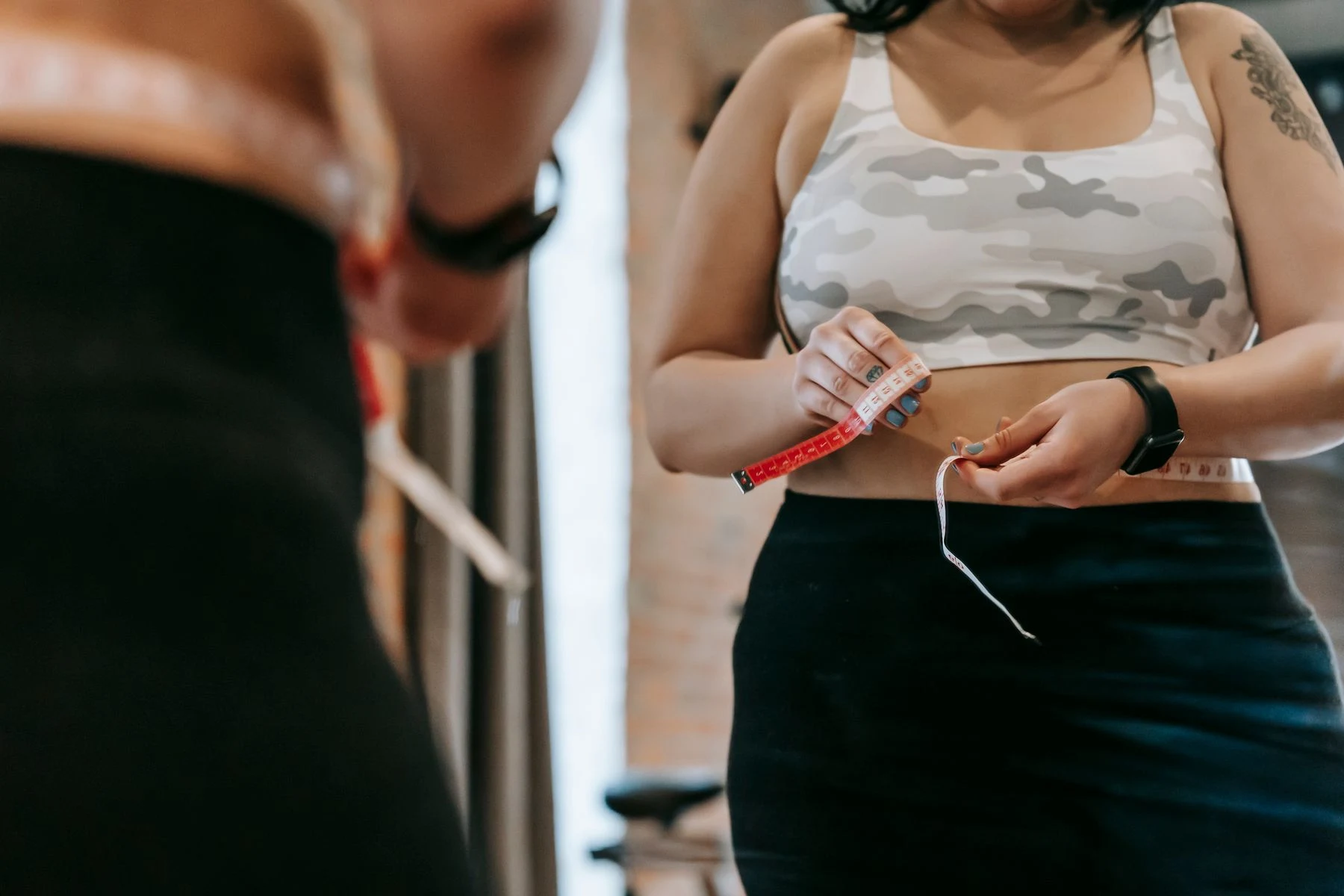
GLP-1 medications can quiet appetite and simplify weight loss, but eating too little or ignoring nutrition can quickly stall progress. The real secret to success isn’t eating less; it’s eating smart enough to fuel fat loss while protecting muscle, energy, and long-term results.
GLP-1 medications like semaglutide and tirzepatide have transformed the conversation around weight loss. For many people, they finally quiet the constant hunger signals that made traditional dieting feel like a daily battle. Meals become easier to manage, cravings calm down, and the scale may begin moving in a direction that once felt impossible.
However, that reduced appetite can create an unexpected problem. When hunger disappears, some people begin skipping meals, eating extremely small portions, or unintentionally falling far short of their body’s basic nutritional needs. At first glance, this might seem like progress. Less food should mean faster weight loss, right? If you're still preparing to start treatment, learning starting GLP-1 medication the right way from day one can help you avoid these pitfalls entirely.
Not exactly.
When nutrition becomes too low or unbalanced, the body begins to protect itself. Metabolism slows, energy drops, muscle mass declines, and fat loss can actually stall. Instead of supporting sustainable progress, under-fueling can quietly undermine the very results people hope to achieve with GLP-1 therapy.
The truth is that GLP-1 medications are powerful tools, but like any tool, they work best when paired with the right strategy.
One of the biggest misconceptions about weight loss is that eating less always leads to better results. In reality, the body is designed to adapt when energy intake drops too dramatically. When calories and nutrients fall too low, the body interprets it as a potential survival threat.
The response is surprisingly efficient. Metabolic rate slows to conserve energy. Hormonal signals shift to protect fat stores. Muscle tissue, which requires more energy to maintain, may begin to break down. While the scale might still move initially, much of that loss may come from muscle and water rather than body fat.
Over time, this can lead to fatigue, brain fog, reduced strength, and slower progress. Many people on GLP-1 medications notice that when they start eating slightly more balanced meals again, their energy improves and fat loss becomes more consistent.
The goal with GLP-1 therapy is not to eat as little as possible. The goal is to eat enough of the right foods to allow your body to lose fat while maintaining strength, metabolism, and overall health.
Because appetite is reduced, every meal becomes more important. When portions are smaller, the nutritional quality of those meals needs to work harder for you.
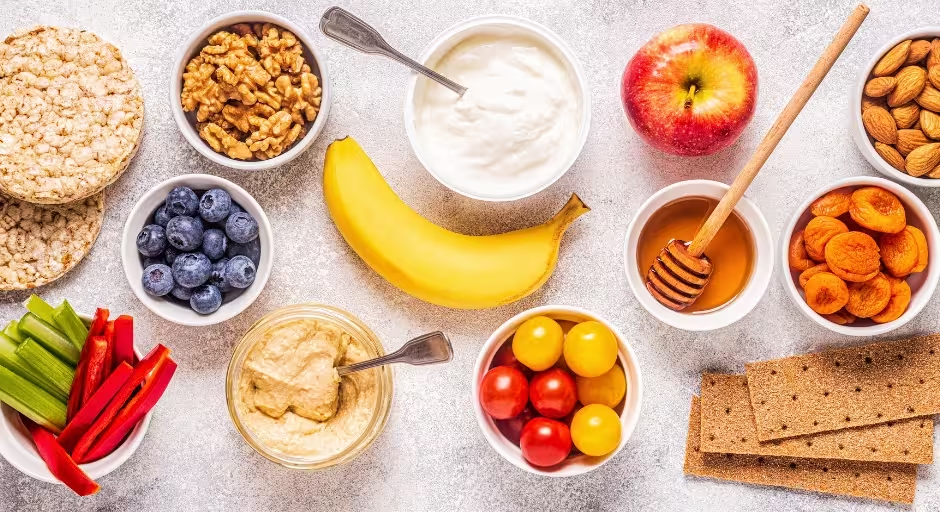
Protein becomes particularly critical during GLP-1 therapy. It helps preserve lean muscle mass, which supports metabolism and physical strength. Foods such as chicken, fish, eggs, tofu, beans, and Greek yogurt provide the building blocks your body needs to maintain muscle while losing fat.
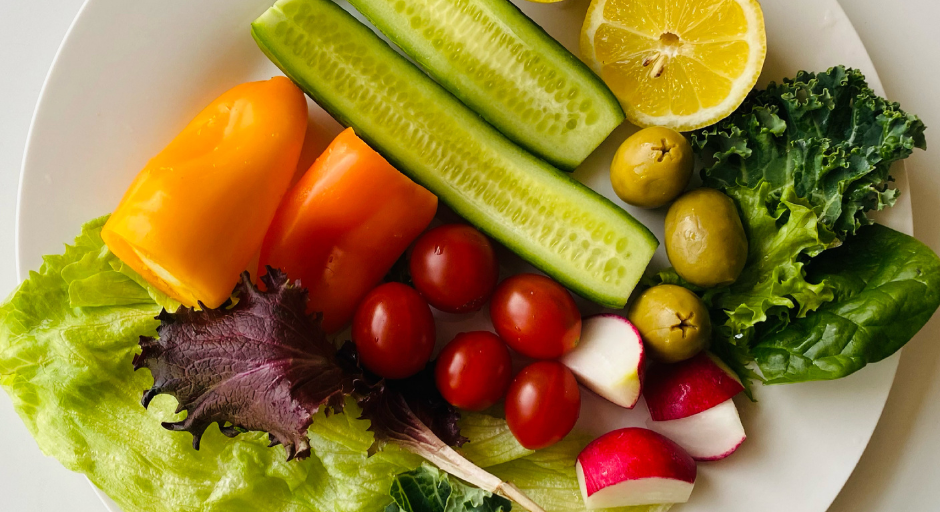
Fiber also plays a major role. Vegetables, fruits, legumes, and whole grains support digestion, stabilize blood sugar, and help maintain satiety throughout the day. Fiber becomes even more valuable when overall food intake is lower because it supports gut health and prevents uncomfortable digestive issues that some GLP-1 users experience. If nausea or fullness becomes an issue as you adjust, our guide to managing nausea on GLP-1 can help.
Healthy fats round out the picture. Nutrients from foods like avocado, olive oil, nuts, seeds, and fatty fish support hormone balance, brain health, and steady energy levels. Even small amounts can make meals more satisfying and nutritionally complete.
In other words, when appetite shrinks, food quality matters more than ever. Your meals do not need to be large, but they do need to be purposeful.
Learn more about HealthiCare's personalized tirzepatide program.
When appetite cues become quieter, it can be surprisingly easy to forget to eat enough. This is where structure becomes incredibly helpful. The Healthi app allows you to track meals and see a clear picture of your daily nutrition so that reduced hunger does not accidentally turn into under-fueling.
The flexible BITE system simplifies decision-making by giving each food a value based on your personalized plan. Instead of obsessing over numbers or restrictive rules, you gain a framework that helps guide balanced choices throughout the day. Tracking meals helps ensure you are still meeting protein goals, eating enough fiber-rich foods, and fueling your body consistently even when hunger signals are mild.
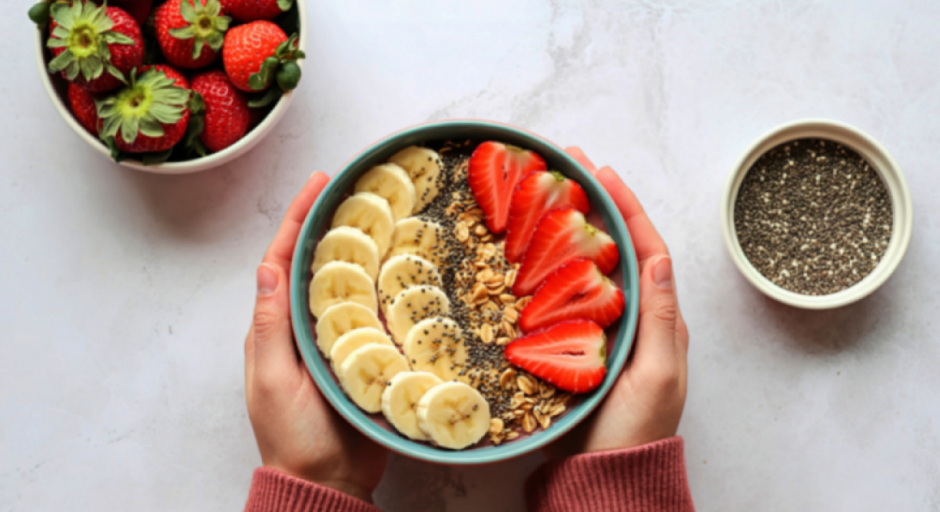
Healthi’s recipe library also removes the daily “what should I eat?” question. With a wide variety of low-BITE, nutrient-dense recipes available, members have access to meals designed to support weight loss while still delivering the nutrients their bodies need. Having simple, balanced options ready to go makes it much easier to stay consistent without overthinking every meal.
GLP-1 medications are medical treatments, and having the right guidance while using them can make a meaningful difference in both safety and success. That is where the HealthiCare program provides additional support.
HealthiCare connects members with licensed clinicians who review medical history, guide treatment decisions, and provide ongoing oversight throughout the process. Medication is delivered conveniently, and members receive professional guidance to help them navigate dosage adjustments, side effects, and long-term planning.
When combined with the tracking tools, recipes, coaching, and community available through the Healthi ecosystem, HealthiCare helps transform GLP-1 therapy from a standalone prescription into a structured, supportive weight-loss journey. Instead of trying to figure everything out alone, members have access to both medical expertise and practical tools that make building sustainable habits far more manageable.
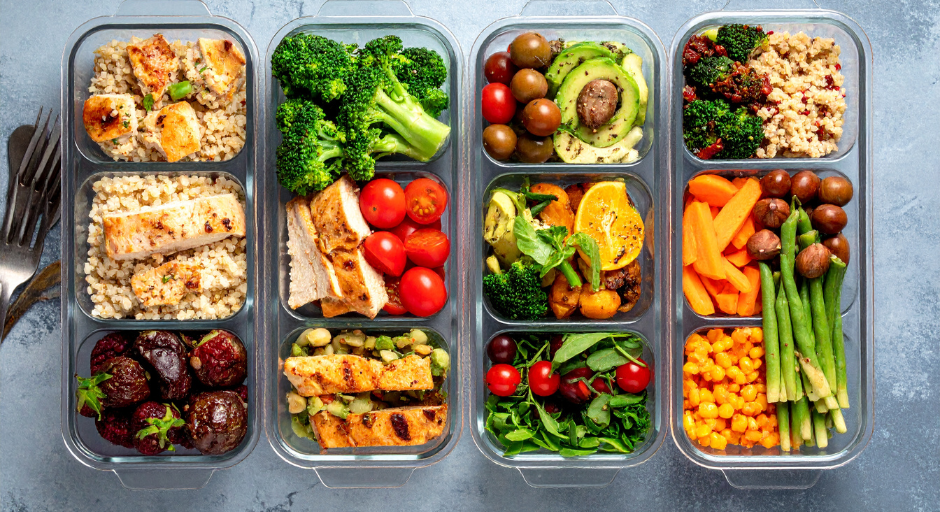
One of the most surprising lessons many people learn during GLP-1 therapy is that progress improves when they stop trying to eat as little as possible. Balanced meals, adequate protein, and consistent nutrition provide the fuel the body needs to burn fat efficiently while protecting muscle and energy levels.
Think of it less like starving a fire and more like feeding it correctly. When the body receives steady nourishment, metabolism functions better, workouts feel stronger, and progress becomes far more predictable.
Skipping nutrition might seem like it would accelerate weight loss, but in reality it often creates the very roadblocks people are trying to avoid.
GLP-1 medications can be powerful allies in weight loss, but they work best when paired with thoughtful nutrition and consistent habits. Reduced appetite is a helpful tool, not a signal to stop fueling your body altogether. By focusing on balanced meals, maintaining adequate protein and fiber intake, and using supportive tools like the Healthi app and HealthiCare program, you can turn GLP-1 therapy into a sustainable path toward long-term fat loss and better overall health.
Your body does not need less care during weight loss. It needs smarter support. When you give it the fuel and structure it deserves, the results tend to follow.
September 10, 2026










.avif)