
Weight Loss

All Treatments
Resources


All Treatments
Weight Loss Treatments
Tirzepatide
Semaglutide
Wegovy Pill
Resources
Healthi App
Blog
Member Meetings
Recipes
Podcast
Patient Sign in
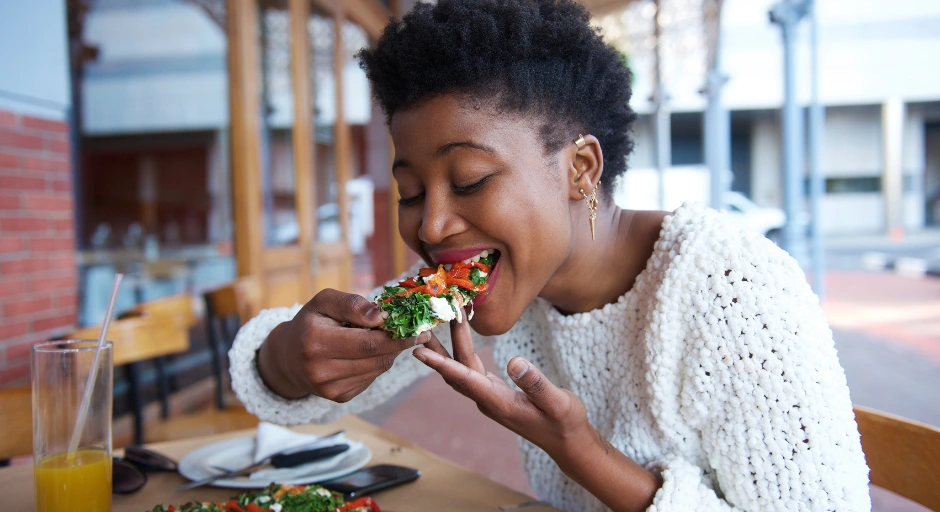


GLP-1 can take the edge off hunger, but building a day of eating that actually supports your body is what makes the results last.
One of the biggest questions people have when starting GLP-1 is surprisingly simple. What am I actually supposed to eat in a normal day?
Not a perfect or a “clean eating” day. Not a day where everything is prepped, measured, and flawless. Just a real, everyday version of eating that fits into work schedules, family life, errands, and everything else you’re balancing.
Because while GLP-1 can reduce appetite and quiet cravings, it doesn’t automatically teach you how to structure your meals. And when hunger cues are lower, it can actually feel harder to know when and what to eat.
That’s where having a realistic, balanced approach matters. A normal day of eating on GLP-1 isn’t about eating as little as possible. It’s about eating intentionally enough to support your body while still letting the medication do its job.

A “normal” day on GLP-1 is not going to look like what you might expect. You may not feel hungry first thing in the morning. Your meals may be smaller and you might not think about snacks as often. And some days, your appetite may feel lower than others. That’s all part of the process. Whether you're on semaglutide vs tirzepatide, hunger signals shift in much the same way as your body adjusts to treatment.
But even if hunger is reduced, your body still needs fuel. You still need protein to support muscle, nutrients to support energy, and enough consistency to keep your metabolism functioning well. The goal isn’t to force food when you’re not hungry, but it also isn’t to ignore your body to the point where you’re under-fueling.
Instead of aiming for perfection, think about building a day that feels balanced and doable.
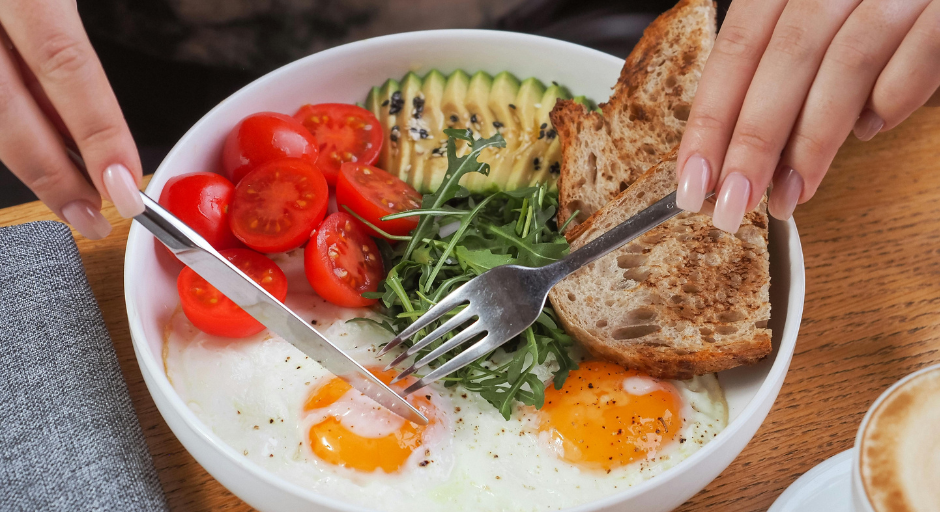
A typical morning might start light, especially if you’re not very hungry. That could look like Greek yogurt with berries, a protein shake, or even just a piece of toast with eggs. The focus here is getting some protein in, even if the portion is smaller than what you’re used to.
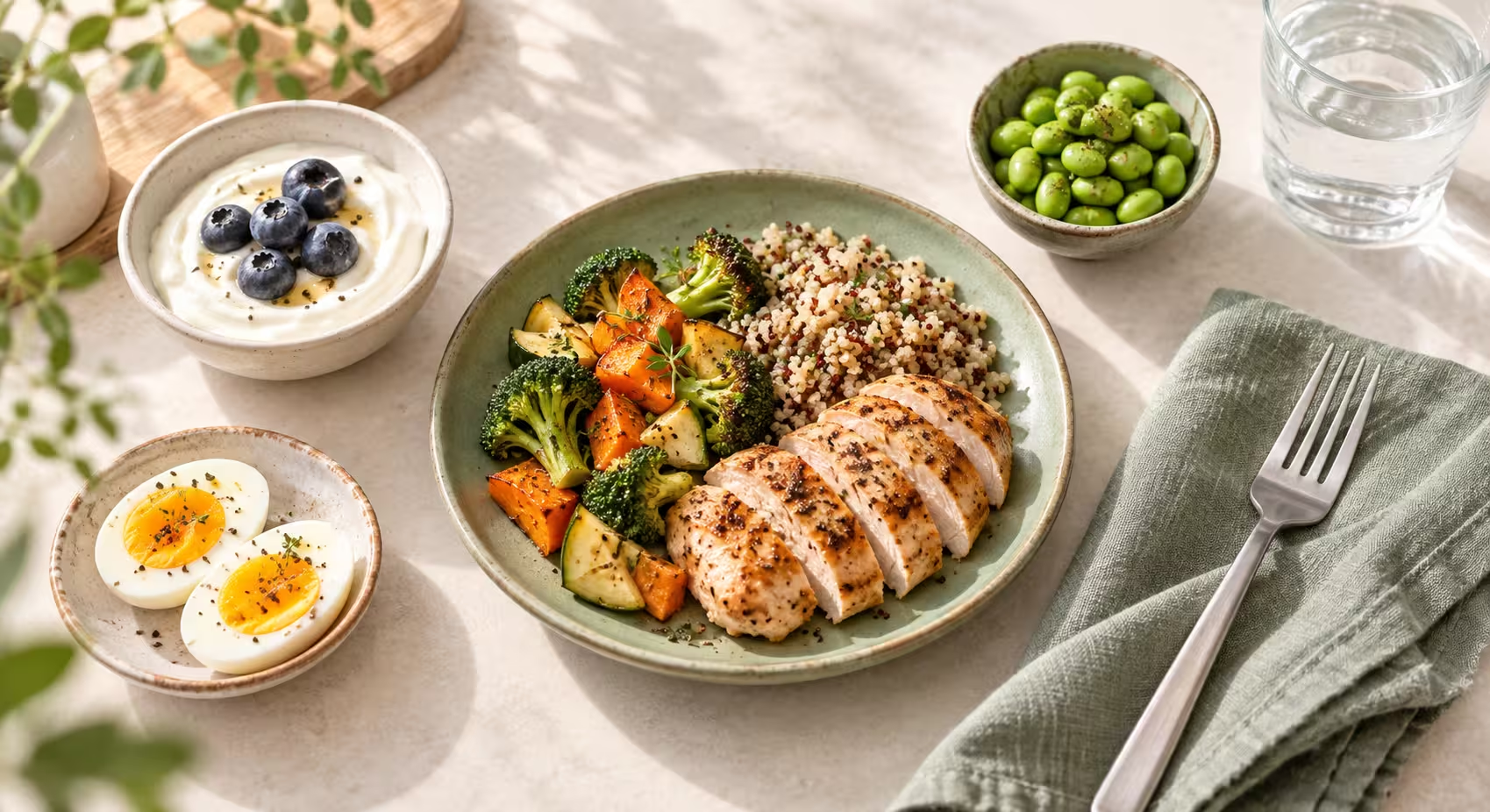
Lunch might be your most balanced meal of the day. Something like grilled chicken over a salad with vegetables, a grain, and a healthy fat like avocado or olive oil works well because it combines protein, fiber, and fats to keep you satisfied without feeling overly full.
Snacking may or may not happen, depending on your hunger. If you do need something, keeping it simple with options like cottage cheese and fruit, a boiled egg with nuts, or a protein bar can help fill the gap without turning into mindless eating.
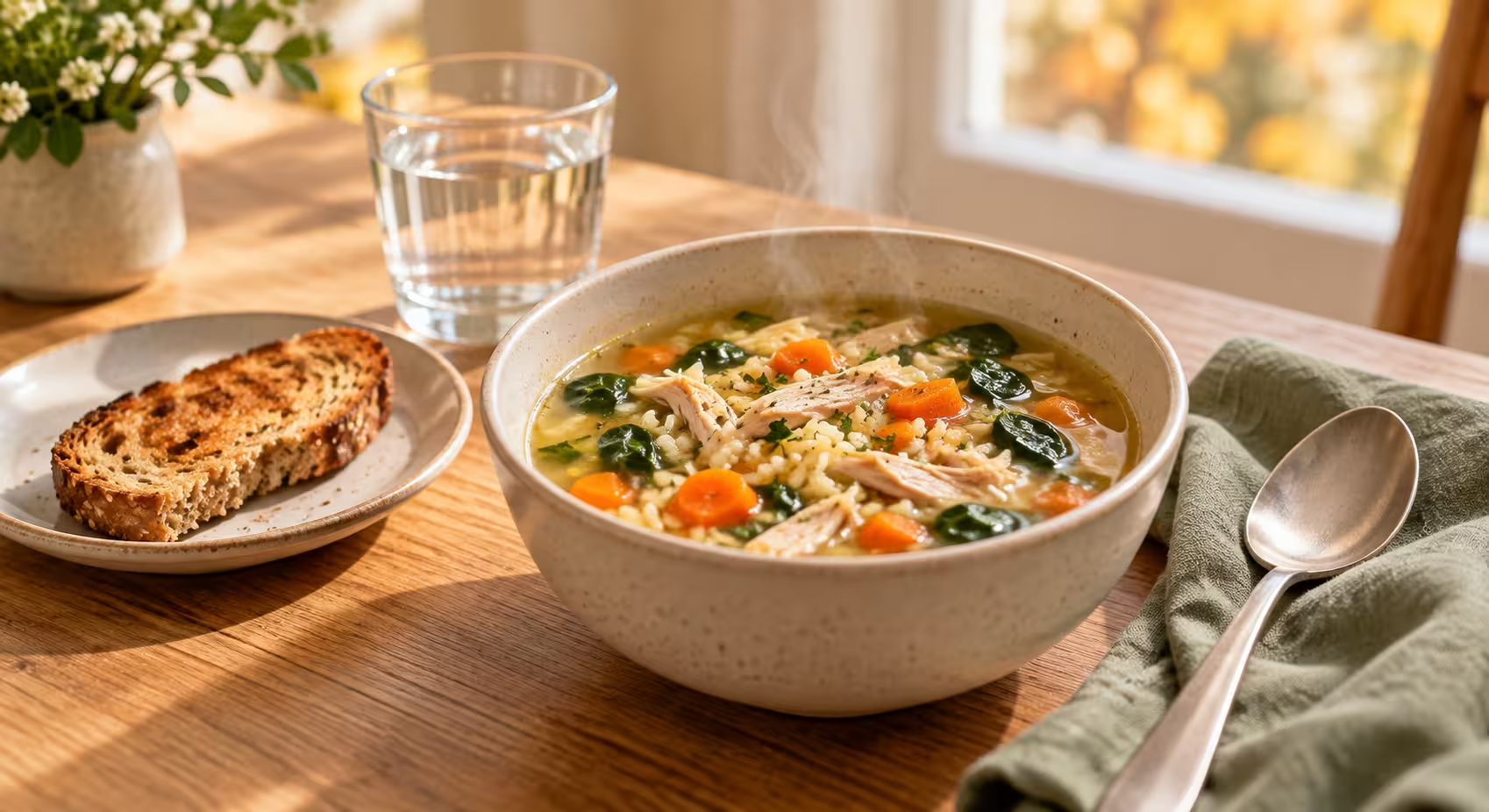
Dinner often ends up being another moderate-sized meal. Think salmon or chicken with roasted vegetables and a small portion of rice or potatoes. It doesn’t need to be complicated, just balanced.
And some days, your portions may be even smaller than this. That’s okay. The structure matters more than the exact amounts.
Learn more about personalized tirzepatide from HealthiCare.
When you’re eating less overall, every bite matters more.
Protein plays a huge role in preserving lean muscle, supporting metabolism, and keeping your energy stable. Without enough of it, your body is more likely to break down muscle during weight loss, which can impact how you feel and how sustainable your results are.
That’s why even on lower appetite days, finding ways to include protein consistently is important. It doesn’t have to be large portions, but it does need to be intentional.
One of the biggest mistakes people make on GLP-1 is thinking they need to be perfect because they’re finally seeing progress. In reality, consistency matters far more than perfection.
Some days you’ll eat more, some days less. Some meals will be perfectly balanced, and others will be whatever you could throw together between everything else going on in your life. What matters is that you’re generally supporting your body, not swinging between extremes.

This is where having structure without pressure makes a big difference.
The Healthi app helps you track your meals, monitor your BITES, and stay aware of your intake without needing to overthink every decision. When your appetite is lower, this kind of awareness becomes even more helpful because it keeps you from unintentionally under-eating or missing key nutrients.
Plans like Healthi Fresh are specifically designed for GLP-1 users, focusing on protein and fiber to help support muscle and metabolism while your eating patterns shift.
And with HealthiCare, you’re not navigating this alone. You have access to licensed clinicians, personalized guidance, and a plan that’s built around your body and your goals. It takes the guesswork out of what a “normal day” should look like and replaces it with something that actually works in real life.
A normal day of eating on GLP-1 doesn’t need to be perfect, and it definitely doesn’t need to look like anyone else’s. It just needs to support your body.
That means including protein, building balanced meals when you can, and staying consistent enough that your body has what it needs to function, recover, and keep making progress. GLP-1 can make things easier, but how you show up within that still matters.
And when you find a rhythm that works for your real life, not an ideal version of it, that’s when everything starts to feel sustainable. Ready to build a plan around your real life? Explore HealthiCare's GLP-1 weight loss program and get the personalized support you need to make it sustainable.
September 24, 2026


















.avif)
