
Weight Loss

All Treatments
Resources


All Treatments
Weight Loss Treatments
Tirzepatide
Semaglutide
Wegovy Pill
Resources
Healthi App
Blog
Member Meetings
Recipes
Podcast
Patient Sign in
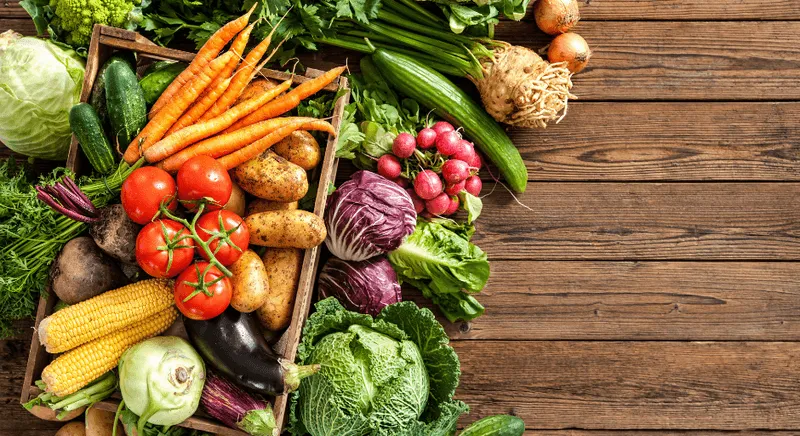


Foods to avoid on GLP-1 can make or break your dose escalation. Learn which categories trigger nausea, how the gut slows down, and what to eat instead.
Three days into a dose escalation, you eat a normal breakfast - bacon, eggs, hash browns - and by 10am the nausea doesn't fully clear until afternoon. The medication didn't fail. The food did exactly what high-fat food does in a gut running at GLP-1 speed: it sat. Most dose-escalation nausea we hear about at HealthiCare has a food cause, not a medication cause, and the foods responsible follow a consistent enough pattern that identifying and cutting them is the first thing worth doing before attributing symptoms to the drug itself.
The categories below produce the most consistent problems during dose escalation - the window when food choices have the greatest impact on how the adjustment period goes.
Patients who manage dose escalation best usually aren't eating perfectly - they're eating without the specific food types that compound GLP-1's gastric effects. Cutting one or two of the categories above often does more than trying to overhaul the entire diet at once.

GLP-1 receptors slow gastric emptying considerably. Food that normally clears the stomach in 3 to 4 hours takes longer - which is the mechanism behind the appetite suppression, and also behind the nausea. When a slowed gut encounters a high-fat or high-volume meal, it doesn't have the processing speed to handle it without triggering distress. The stomach fills faster than it empties, and nausea follows.
There's a second mechanism worth knowing about. GLP-1 receptors exist in the area postrema - the brain region that controls the vomiting reflex. The medication acts on nausea at the central level, not only as a downstream consequence of a full stomach. That's why food changes help most patients but don't eliminate nausea entirely for everyone: one mechanism responds to what you eat, the other doesn't. If cutting high-fat foods resolves symptoms within 48 hours, the gastric pathway was the main driver. If nausea persists through clean food choices, the central pathway is likely more involved - and that's a conversation for the prescribing provider rather than a reason to keep eliminating food categories indefinitely.
Fat is the last macronutrient to leave the stomach under normal digestive conditions. Protein and carbohydrates both move through faster. Fat stays. On a gut whose emptying is already slowed by medication, a high-fat meal - or even a moderate-fat meal eaten in the first 48 hours after injection - is the most reliable way to produce nausea in our patient population.
We'd be overstating things if we said every patient has the same fat threshold. Some HealthiCare patients eat avocado throughout their escalation weeks without problems. Others find that a standard olive oil drizzle is enough to push a slowed gut past its tolerance point. The general pattern holds across the population; where it lands for any individual takes attention and some trial and error to pin down.
The highest-risk foods to eliminate first: bacon and sausage, fried anything, fast food, heavy cream sauces, and cheese in large amounts. Patients who eat these in the first 48 to 72 hours after a new injection are loading fat into a gut at its slowest point in the dose cycle. The nausea that follows gets attributed to the medication. Removing these foods for two or three injection cycles before drawing that conclusion is worth doing first.
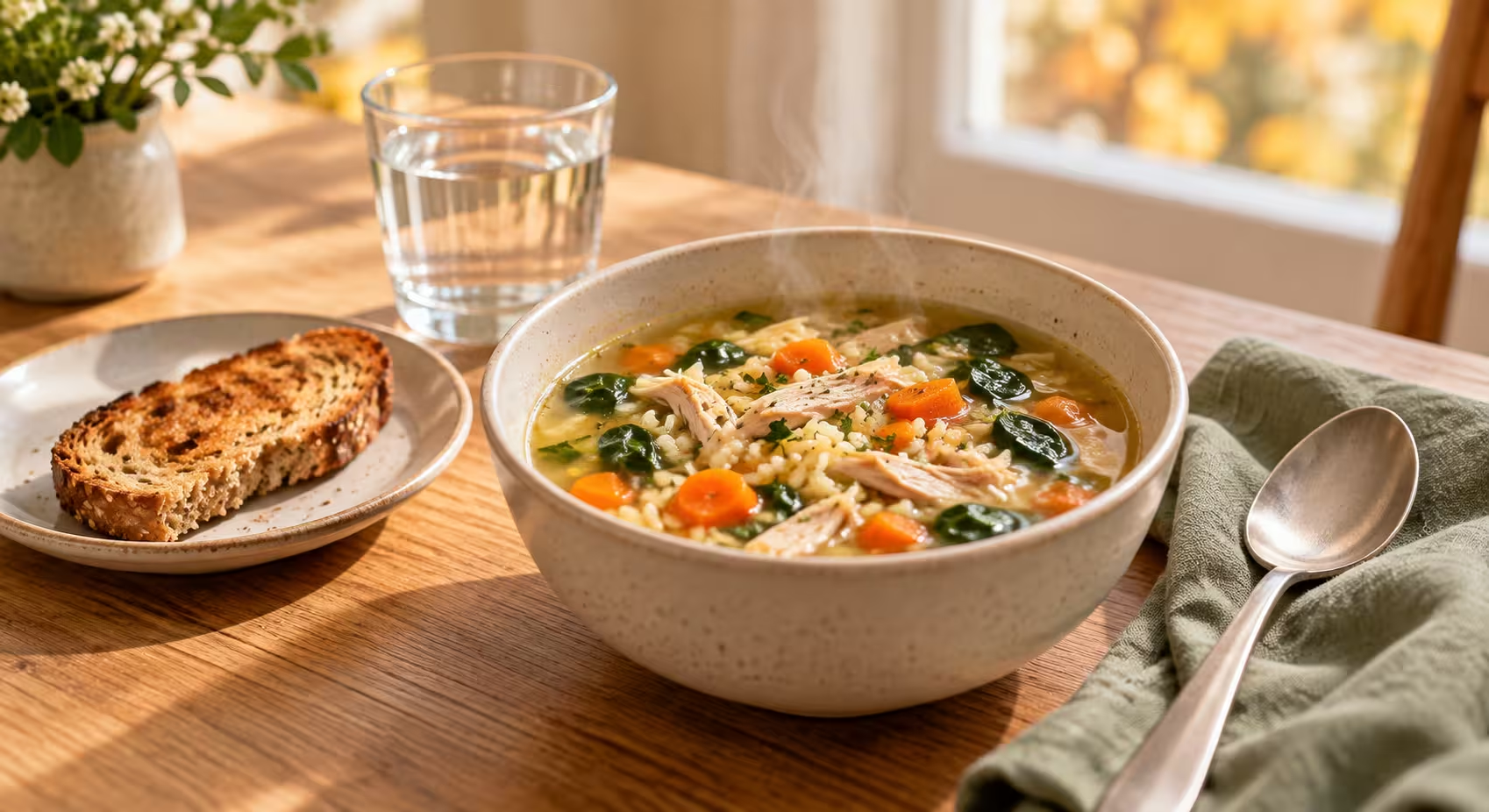
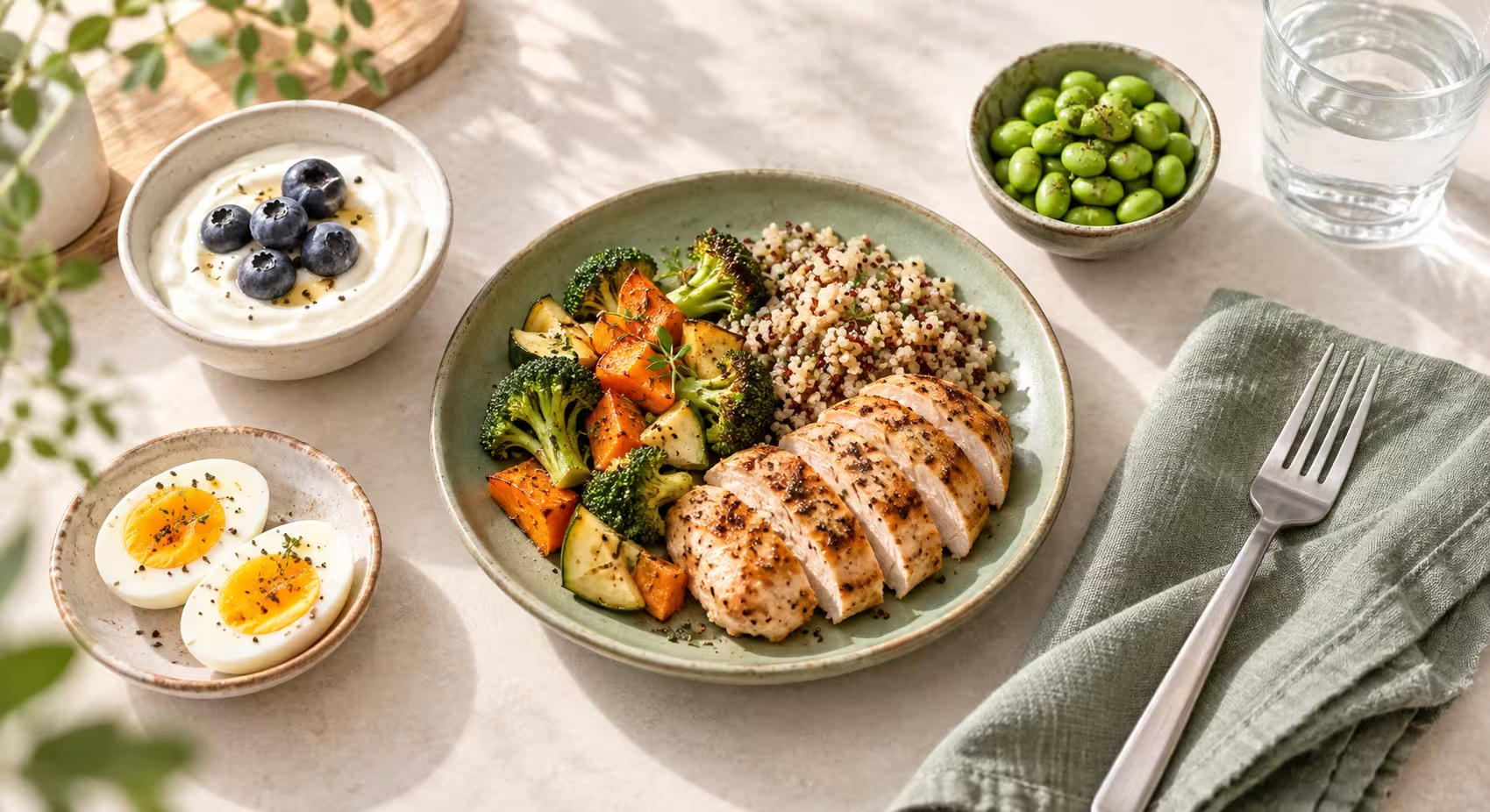
The lean proteins that move through a GLP-1-slowed gut without issue: chicken breast, turkey, fish, egg whites, cottage cheese, plain Greek yogurt. These are the go-to protein sources during dose escalation weeks - not because they're the only safe proteins, but because they deliver the nutrition without the fat load.
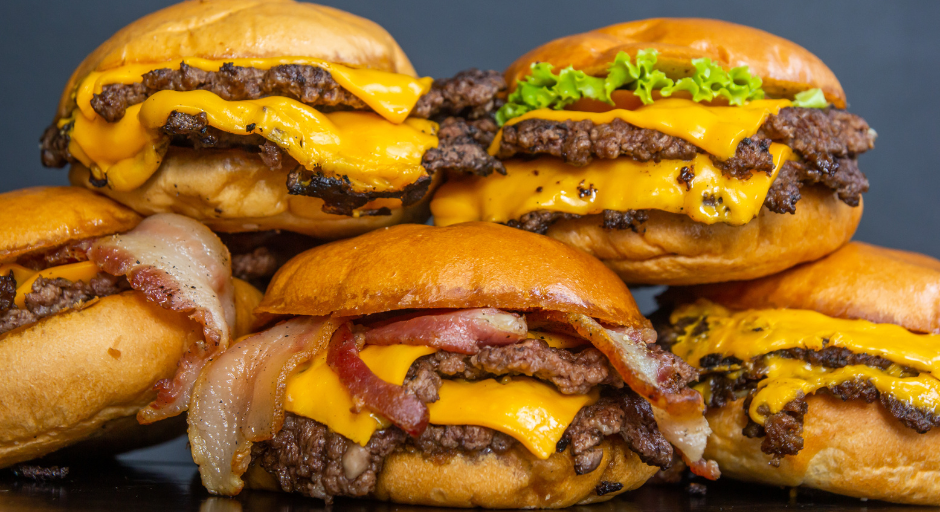
The mechanism for sugar differs from fat. High-glycemic foods produce blood glucose spikes and drops that interact with GLP-1's glucose-stabilizing effects in ways that worsen the instability some patients notice in their first weeks. The effect is more pronounced with tirzepatide, which has a dual GIP/GLP-1 mechanism and stronger glucose action than semaglutide alone.
Refined carbohydrates - white bread, low-fiber crackers, pastries - produce the same glucose volatility. Whole grain versions and complex carbohydrates are a workable substitute for most patients and don't require eliminating carbs entirely. We'll say this directly because it causes real confusion: going low-carb to manage GLP-1 nausea often makes things harder, not easier. The goal is avoiding foods that spike blood sugar and slow an already-slow gut. Oatmeal, whole grain toast, and bananas do neither. The dose escalation phase is not a low-carb prescription - it's a high-glycemic avoidance prescription, and those are different things.
Alcohol warrants its own mention because the interaction with GLP-1 medications is underappreciated. We're not aware of a documented dangerous pharmacological interaction between alcohol and semaglutide or tirzepatide specifically, but the practical pattern in our patient community is consistent: alcohol during dose escalation weeks reliably compounds nausea. It lowers the nausea threshold, and the dehydration it adds makes it harder to isolate what else is driving symptoms. Whether alcohol tolerance returns at a stable dose is individual - some patients find it does, others find the sensitivity persists.
Carbonated beverages produce gas accumulation in a stomach not emptying at its usual speed. That gas has to move somewhere, and the result is bloating that sits on top of existing nausea rather than being the primary cause of it. We'll be direct: the reaction isn't universal. A subset of HealthiCare patients drink sparkling water through their entire escalation period without noticing any effect. But for patients who have nausea they can't explain after cutting high-fat foods, carbonated drinks are the next variable worth eliminating before assuming nothing more can be done.
Highly processed foods earn their place on this list for two separate reasons. First, processing typically means higher fat density or higher simple sugar content than the whole-food version - chips, crackers, packaged snacks, and prepared meals often hit both triggers simultaneously. Second, the additive load in heavily processed foods adds variables that make it difficult to isolate which specific category is causing problems. During the window when patients are actively trying to identify their personal trigger pattern, processed foods introduce noise into that diagnostic process.
Plain, whole foods with short ingredient lists are the practical target - not for ideological reasons, but because they're easier to predict in a gut whose response to food has changed.
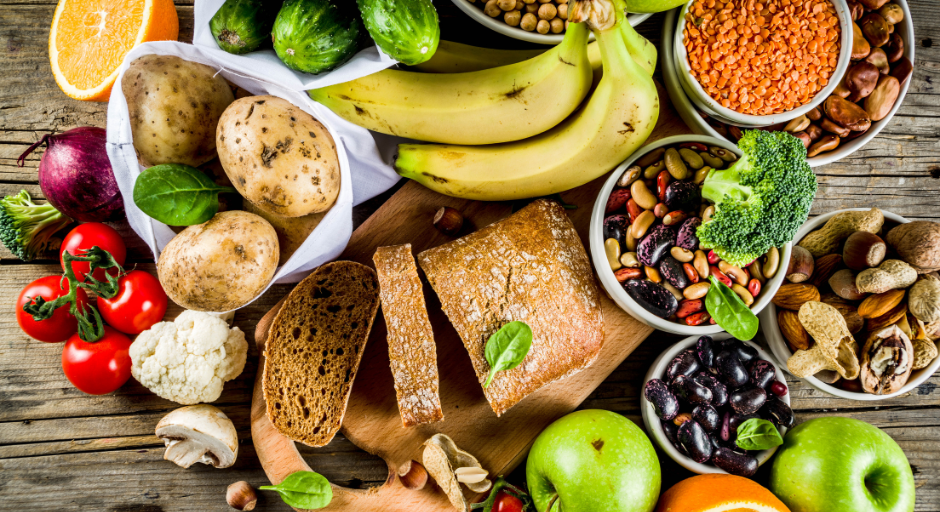
The replacement list is less restrictive than the avoidance list might suggest. The categories that move through a GLP-1-slowed gut without triggering nausea:
We should be clear about what this list is: a temporary accommodation for the adjustment period, not a permanent eating prescription. Most HealthiCare patients are back to something close to their normal food range within two months of reaching a stable dose. The restrictions that matter most are concentrated in the dose escalation weeks - the first two to three weeks at each new dose level. Treating this as a finite phase rather than a dietary overhaul is both more accurate and more sustainable.
Healthi Fresh is HealthiCare's nutrition plan built specifically for GLP-1 patients. The meals are sized for reduced appetite, protein-first, and built around the food tolerances that matter during dose escalation - lean proteins, manageable portions, lower-fat options for the rough post-injection days, and protein sequencing designed for patients trying to hit targets while avoiding trigger foods.
The live member meetings inside the Healthi app are where these food questions get answered in real time, by coaches working with patients going through the same adjustment windows. Questions about specific foods - what's safe, what's causing a particular symptom - come up at every meeting, and the collective pattern answers become more useful over time than any static avoidance list. The HealthiCare weight loss program pairs the medication with the support structure that makes that adjustment period shorter.
The most important window is dose escalation - the first two to three weeks at each new dose level, when the body is adjusting to a new concentration. Most patients return to a normal diet range within two months of reaching their stable maintenance dose, with one exception: very high-fat meals tend to remain problematic for some patients even after dose stabilization. The avoidance list is a management tool for the phase when food choices have the most impact, not a permanent prescription.
Fat content is what determines the answer. Low-fat dairy - plain Greek yogurt and cottage cheese being the most common choices - is well-tolerated and a good protein source during dose escalation weeks. Full-fat dairy - cream, heavy cheeses, anything with a meaningful fat fraction - runs into the same problem as other fat-dense foods. The issue isn't dairy specifically; it's the fat load it delivers, which varies considerably depending on preparation.
During dose escalation weeks, cutting heavy spice alongside high-fat foods is worth doing. Spice is a secondary trigger for most patients - fat causes substantially more problems - but on the worst post-injection days, both contribute to the overall picture. Most patients find spice tolerance returns to something close to normal once a dose stabilizes. A minority remain more sensitive long-term, though that's not the typical outcome.
Black coffee in moderate amounts is generally fine. The issues arise when coffee is consumed on an empty stomach while nausea is already present - caffeine stimulates gastric acid production, which amplifies an already-irritated stomach. Cream or milk in coffee introduces the fat variable for some patients. The most consistent pattern we see: patients who can't identify why they're nauseous after breakfast, who are drinking a full cup of coffee before eating anything. A small amount of food first - toast or a few plain crackers - resolves it for most of them.
At HealthiCare, our philosophy is built on two core principles: First, that medication is just one piece of the puzzle; and Second, that true success comes from combining medication with a commitment to Care and a robust support system.
We believe in more than just medication - we believe in Care + Medication. Our Care Team is here to support you throughout your journey, and all HealthiCare Members have access to our team of coaches, treatment guides, live virtual member meetings, and the Healthi weight loss app, you’ll have support every step of the way.
July 29, 2026














.avif)