Weight Loss

All Treatments
Resources


All Treatments
Weight Loss Treatments
Tirzepatide
Semaglutide
Wegovy Pill
Resources
Healthi App
Blog
Member Meetings
Recipes
Podcast
Patient Sign in



Not feeling hungry on GLP-1 might sound like a dream, but it can quickly turn into confusion when you’re not sure what or when to eat.
One of the biggest shifts people notice on GLP-1 is a reduced appetite. Meals don’t sound as appealing, cravings are quieter, and sometimes you go hours without even thinking about food. At first, it can feel like a relief, especially if hunger has been something you’ve struggled with for a long time.
But after a while, a new challenge shows up.
If you’re not hungry, what are you actually supposed to eat? And how do you make sure you’re still giving your body what it needs without forcing large meals or overthinking every choice? This is where intention starts to matter more than appetite.
Even when hunger is low, your body still needs fuel to maintain muscle, support energy, and keep your metabolism functioning well. The goal isn’t to eat more than you need, it’s to make what you do eat count the most.

When your appetite decreases, your total food intake usually drops with it. That can create a calorie deficit, which supports weight loss, but it can also lead to gaps in protein, nutrients, and overall energy if you’re not paying attention. Over time, that can show up as fatigue, slower recovery, or feeling weaker than expected.
This isn’t a failure of the medication. It’s simply a shift in how your body is responding, and it requires a slightly different approach. Instead of eating based on hunger alone, you start eating with a little more structure and purpose.
When full meals feel like too much, smaller portions can make a big difference.
You don’t need to sit down to a large breakfast, lunch, or dinner if your appetite isn’t there. Breaking your intake into smaller, manageable meals or snacks throughout the day can feel more realistic and easier to maintain. The key is making sure those smaller meals are balanced.
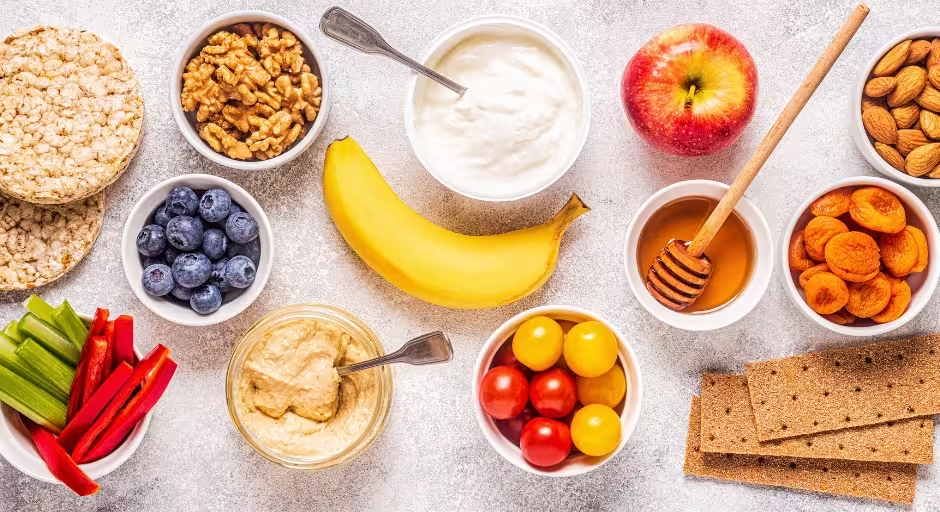
Even a light meal should include some protein, a source of fiber, and a bit of healthy fat. That way, you’re still supporting your body without needing to eat large amounts at once.
If there’s one thing you should stay consistent with, it should be protein. Protein supports lean muscle, helps maintain your metabolism, and plays a big role in keeping your body strong during weight loss. When appetite is low, it’s also the nutrient most likely to be under-consumed.
This doesn’t mean forcing large portions of meat or heavy meals. It can be as simple as adding Greek yogurt, eggs, cottage cheese, protein shakes, or lean meats in smaller amounts throughout the day. When protein is consistent, everything else tends to feel more stable.
On days when nothing sounds good, texture and simplicity matter more than variety. Smooth foods like yogurt, smoothies, or cottage cheese can be easier to get down than heavier meals. Light, simple options like eggs, soups, or soft grains can also feel more manageable when your appetite is low.
This isn’t the time to overcomplicate your meals. It’s about choosing foods that feel doable so you can stay consistent without resistance.
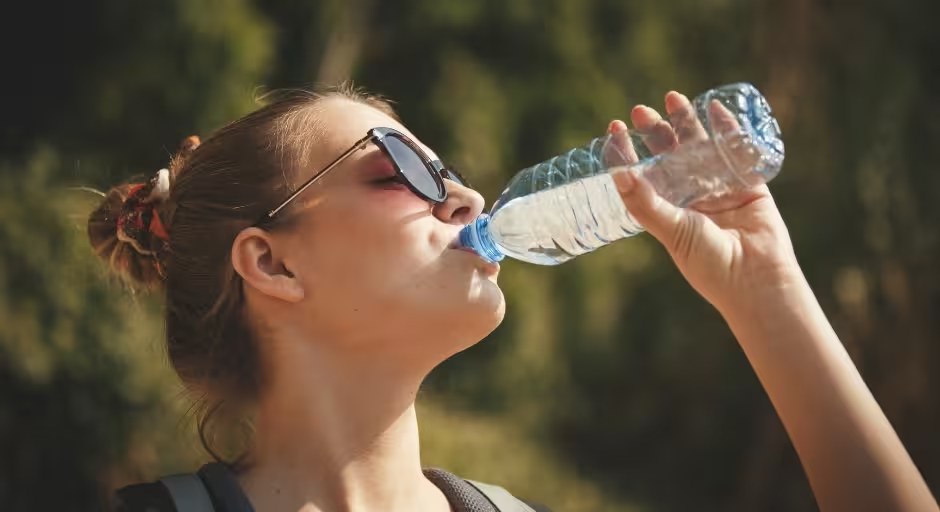
When you’re eating less, hydration becomes even more important. Water supports digestion, energy, and overall function, and it can also help reduce feelings of fatigue that sometimes come with lower intake. In some cases, adding electrolytes can help support balance, especially if you’re feeling run-down or not eating as much variety. Sometimes what feels like low energy from food is actually dehydration showing up in the background.
This is where a lot of people get tripped up. It’s easy to assume that if you’re not hungry, you don’t need to eat. But relying on hunger alone while on GLP-1 can lead to inconsistent intake and missed nutrients over time.
Structure helps to fill that gap. Having a general plan for when and what you’ll eat takes the pressure off needing to “feel ready” to eat. It turns nutrition into something supportive instead of reactive.
This is where having guidance makes everything feel more manageable.
With HealthiCare, you’re not trying to figure out your nutrition on your own while your appetite is changing. You have licensed clinicians helping guide your GLP-1 journey, making adjustments as needed, and helping you understand what your body needs at each stage.
Inside the Healthi app, you can track your meals and stay aware of your intake without feeling restricted. The BITE system helps you build balance into your day, even when portions are smaller.
And with the Healthi Fresh plan, your meals are designed specifically for GLP-1 users, with a focus on protein and fiber to support muscle, energy, and metabolism. When appetite is low, this kind of structure ensures that what you are eating is actually working for you.
Instead of second-guessing every choice or wondering if you’re eating enough, you have a system that keeps you supported, consistent, and moving forward.

Not feeling hungry on GLP-1 isn’t a problem, but it does require a different approach. Your body still needs support, even if it’s asking for less food. When you focus on small, balanced meals, prioritize protein, and create a simple structure for your day, everything starts to feel more manageable.
It’s not about forcing yourself to eat more. It’s about making sure what you do eat supports your progress. Remember that long-term results don’t come from eating less alone. They come from eating in a way that helps your body stay strong, steady, and supported.
Learn more about personalized semaglutide from HealthiCare.
Learn more about smart snacking on GLP-1.
August 17, 2026










.avif)