Weight Loss

All Treatments
Resources


All Treatments
Weight Loss Treatments
Tirzepatide
Semaglutide
Wegovy Pill
Resources
Healthi App
Blog
Member Meetings
Recipes
Podcast
Patient Sign in


Feeling full after just a few bites? Getting enough protein on a GLP-1 can take a little planning. Explore simple food ideas, manageable portions, and ways to support your nutrition when your appetite is lower.
Getting enough protein on a GLP-1 can take some planning, especially when your appetite is lower or you feel full after just a few bites. Protein helps support muscle maintenance during weight loss, making it an important part of your nutrition routine. With manageable portions, simple meal ideas, and a protein goal tailored to your needs, you can make eating well feel more doable—even when a full plate feels overwhelming.
You make lunch, take a few bites, and suddenly your stomach announces that the meeting is over.
If you’re taking a GLP-1 medication, that feeling may sound familiar. These medications can reduce appetite, which can make it harder to eat enough protein and other nutrients. Clinical guidance emphasizes making nutrition part of GLP-1 care from the beginning. That doesn’t mean forcing down a giant chicken breast or turning every beverage into a protein shake. It means finding portions and foods you can comfortably eat, then making them easier to work into your day.
.avif)
There isn’t one protein target that works for everyone taking a GLP-1. Your age, body size, activity, medical history, and overall nutrition needs all matter.
A joint advisory from four professional organizations discusses 80–120 grams per day as one possible practical target for adults during GLP-1 treatment, but it is not a universal prescription. Ask your clinician or registered dietitian what amount makes sense for you, particularly if you have kidney disease or have been told to limit protein.
Once you have a goal, you can build meals around it. No need to borrow a stranger’s target from the internet just because they own an impressive collection of shaker bottles.
Trying to fit most of your protein into dinner can feel like a lot when your appetite is already limited.
Instead, look for opportunities at breakfast, lunch, and dinner, with a snack if it helps meet your needs. Smaller eating opportunities may feel more manageable than a few large meals.
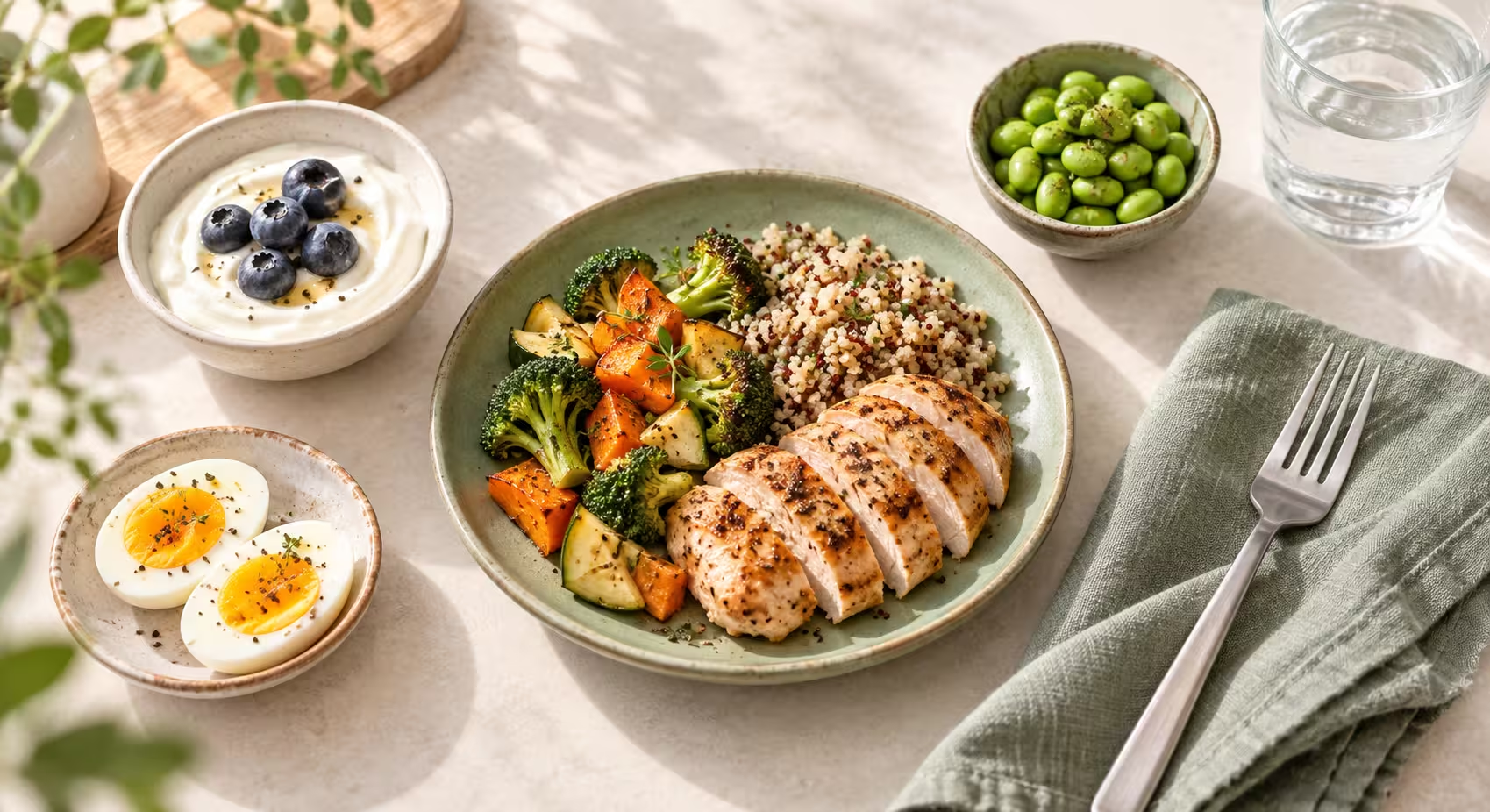
Some easy combinations to try:
The portions can be small. The food can be simple. Breakfast does not need to become a competitive sport.
Chicken gets plenty of attention, but it is not the only option—and you don’t have to keep eating it if the thought makes you sigh.
Try rotating among eggs, fish, dairy foods, tofu, tempeh, beans, lentils, and poultry. Different textures and temperatures may appeal to you on different days.
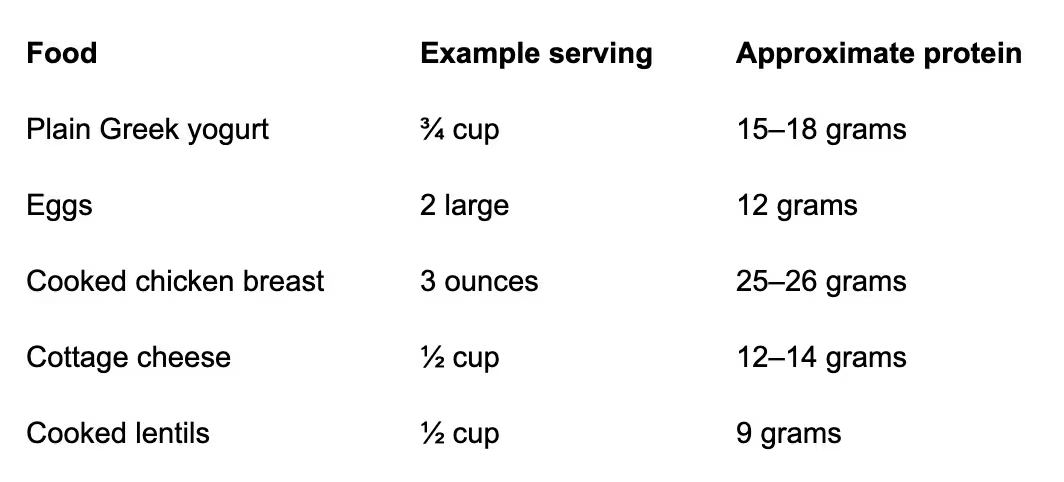
For a sense of how protein adds up, these are approximate amounts:
You don’t need an entirely new menu to include more protein. Start with something you already enjoy and see where an addition fits.
Stir Greek yogurt into oatmeal after cooking. Add tofu to a soup. Include shredded chicken in a baked potato. Spoon cottage cheese onto toast, or add lentils to pasta sauce.
Choose one adjustment at a time. If a meal already feels large, replace part of it with a protein food rather than simply piling on more.
Protein deserves attention, but leave room for other foods, too. Fruits, vegetables, grains, and fats remain part of a varied eating routine.
.avif)
A protein shake can be a convenient option when regular meals are difficult, but you don’t have to use one to succeed.
Check the label for protein content, serving size, and ingredients you tolerate. A protein drink also isn’t necessarily a complete meal replacement; some provide little beyond protein. Your dietitian can help you decide whether a supplement would fill a gap in your intake.
There is also no requirement to find a flavor called “Birthday Cake Explosion.” Plain or mildly flavored options are perfectly respectable.
Protein is one part of protecting muscle during weight loss. Regular strength training matters as well; eating more protein alone does not replace that stimulus. Ask your care team about an appropriate starting point, which might include resistance bands, bodyweight exercises, or weights.
Start at a level that fits your abilities and build gradually. You don’t need to become a gym regular overnight to begin developing a routine.
If you’re regularly struggling to eat enough, tell your prescriber. Persistent nausea, vomiting, or difficulty keeping fluids down deserves medical attention, rather than another attempt to push through dinner. Nutrition and side-effect management are important parts of ongoing GLP-1 care.
Keeping a simple food record can also give you and your care team something concrete to discuss. Use the Healthi app to log meals and notice patterns, such as mornings when you skip breakfast or lunches that leave little room for protein.
If you’re exploring additional support, visit Healthicare to learn about care and treatment options, and to discuss your treatment questions with a provider.
Getting enough protein can start with one manageable change: an easy breakfast, a stocked refrigerator, or a conversation about your needs. Build from there, one meal at a time.
September 29, 2026











.avif)