Weight Loss

All Treatments
Resources


All Treatments
Weight Loss Treatments
Tirzepatide
Semaglutide
Wegovy Pill
Resources
Healthi App
Blog
Member Meetings
Recipes
Podcast
Patient Sign in
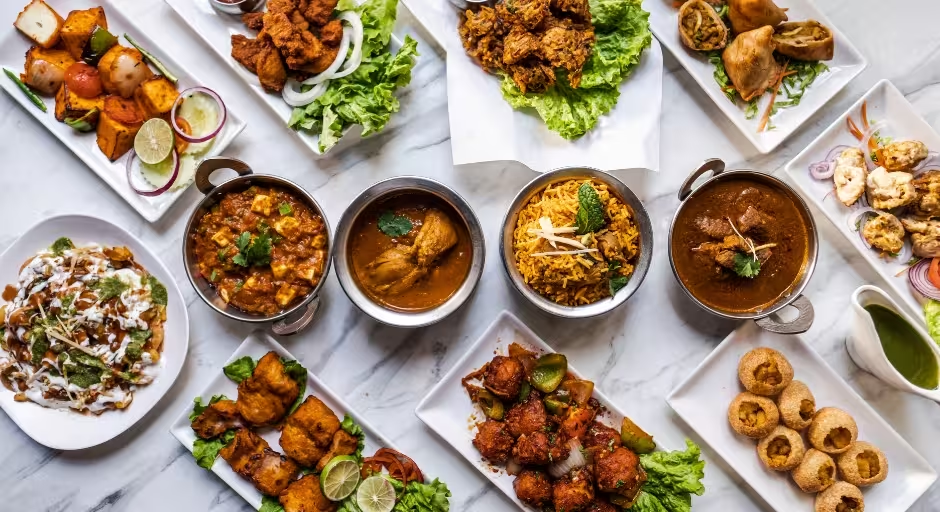


Food aversions on semaglutide or tirzepatide are common. Why GLP-1s change what sounds good, what new research found, and ways to keep eating well.
"I used to love a good cheeseburger. Now I can barely look at one." If you've said something like that since starting a GLP-1, you're far from the only one, and it can feel strange to suddenly not recognize your own taste buds.
Food aversions on a GLP-1 are common and usually not a sign that anything is wrong. Semaglutide and tirzepatide slow digestion and turn down appetite signals, and many people find that rich, greasy, or very sweet foods lose their pull. In a small study published this fall, 84% of people on semaglutide or tirzepatide reported eating substantially smaller portions after three months, and about a third said their food preferences had shifted.
If you're with HealthiCare, your care team can help you think through how to eat well now that your tastes have changed, as part of your GLP-1 weight loss plan.
It shows up differently for everyone. For some people, the smell of something frying is suddenly too much. Others find that coffee tastes off, that dessert is "too sweet" after two bites, or that a food they ordered every Friday for years now sits in the fridge untouched. Sometimes it's a specific food. Sometimes it's a whole category, like anything heavy or greasy.
It's also common to have mixed feelings about it. There can be relief in not wanting the foods you used to struggle with. There can also be a small sense of loss, like a favorite ritual quietly went away, or confusion about what to eat now that the old standbys don't appeal. All of those reactions make sense.
True changes in how food tastes, which doctors call dysgeusia, are less common than people expect. In the Wegovy weight-loss trials, 1.7% of adults on the medication reported taste changes compared with 0.5% on placebo, according to the Wegovy prescribing information. For most people, the food tastes the same. It's the wanting that changes.

A few things seem to be going on at once. GLP-1 medications slow the rate at which your stomach empties, so food stays with you longer. Heavier, fattier meals are the ones most likely to sit there and leave you feeling overly full or a little queasy. After that happens once or twice, it's very natural for your brain to start steering you away from those foods. It's the same reason one bad experience with a certain dish can put people off it for years.
These medications also act on appetite centers in the brain. In an earlier 12-week study of brand-name semaglutide, people ate about 24% less on average, showed a lower preference for high-fat foods, and reported fewer cravings than when they took a placebo (University of Leeds, reporting on a study in Diabetes, Obesity and Metabolism). Those are averages from a brand-name trial, and personalized (compounded) versions weren't studied, but they help explain why certain foods can stop calling your name.
Ever notice that the foods you're turned off by now are often the ones you used to eat when you weren't really hungry? That's not a rule, but a lot of people find it interesting to think about.
A pilot study published in the journal Nutrients followed 38 adults with overweight or obesity who started semaglutide or tirzepatide as part of their regular care (Camajani et al., 2026). After three months, here's what they reported:

Most people, about two-thirds, said their food preferences didn't change much. About 26% leaned more toward savory foods, and 8% leaned more toward sweet. Portion size was the bigger story: 84% said they were eating substantially smaller portions. Cravings for both sweet and savory foods went down, regular processed meat and fresh cheese eating dropped, and more people reported regularly eating raw vegetables, legumes, nuts, white meat, and fish.
It's worth holding these findings loosely. This was a small study with no comparison group, and the answers were self-reported, so it can't prove the medications caused these changes. The researchers also noted that smaller portions could make it harder to get enough protein, fiber, and fluids, which is a good reminder for the next section.
Usually not. Losing interest in fried food or rich desserts doesn't put you at risk on its own. The thing to watch is whether your aversions start crowding out the foods your body still needs, especially protein. When appetite is low and several foods are off the table, it gets easier to fall short without noticing. Our guide to getting enough protein on a GLP-1 has practical ideas for that.
Please reach out to your provider if your aversions are spreading to most foods, if you're regularly skipping meals because nothing sounds okay, or if you're losing weight faster than your care team expected. Get medical care right away if you can't keep food or fluids down, have severe or ongoing vomiting, notice signs of dehydration like very little urine or dizziness, or have severe stomach pain that doesn't go away.
There's no one right way, and what works can change from week to week. Some approaches people find helpful:
Smaller, more frequent meals are another option many people like. HealthiCare's guide to making your meals count when you're not hungry walks through how to get the most out of fewer bites.
The short answer is that nobody knows for sure, and it varies a lot from person to person. The research on long-term taste and preference changes is still early. Some people find their aversions soften as their body adjusts or as their dose settles. Others discover they simply don't miss certain foods anymore, and that's okay too.
What many people do notice is that the whole relationship with food gets a little quieter. The constant mental chatter about what to eat next fades, which HealthiApp explores in its post on food noise and how to quiet it. If sweets in particular have lost their pull, our post on why sugar cravings change on GLP-1s has ideas for making the most of that shift.
And if you're dealing with other effects alongside aversions, like nausea or fatigue, our overview of common GLP-1 side effects can help you sort out what's typical and what deserves a call.
It can feel odd when your body suddenly has new opinions about dinner. Try to treat it with curiosity rather than worry. You're learning what feels good now, and that's useful information, not a problem to fix.
If you'd like support building meals around your new normal, HealthiCare's care team is here to help you think it through. And if you're wondering whether a GLP-1 program could be a fit for you, you can start an online visit whenever you're ready. Meanwhile, maybe let that cheeseburger go with a fond farewell.
This article is for general information and isn't a substitute for medical advice. Never start, stop, or change a medication dose without talking to your prescriber, and seek medical care right away for the warning signs above.
Yes, it's common. GLP-1 medications slow digestion and turn down appetite signals, so many people find rich, greasy, or very sweet foods less appealing. In a small 2026 study, about a third of people reported a shift in food preferences after three months.
Because GLP-1s slow how quickly your stomach empties, heavy and fatty meals tend to sit longer and can leave you overly full or queasy. After that happens a few times, your brain often steers you away from those foods.
Sometimes, but true taste changes are less common than people expect. In the Wegovy weight-loss trials, 1.7% of adults reported taste changes compared with 0.5% on placebo. More often, food tastes the same and you just want less of certain things.
It varies. Some people find aversions soften as their body adjusts or their dose settles, and others simply stop missing certain foods. There isn't good long-term research yet, so it helps to stay flexible and revisit foods later.
Reach out if aversions are spreading to most foods, you're regularly skipping meals, or you're losing weight faster than expected. Get care right away if you can't keep food or fluids down, have severe or ongoing vomiting, signs of dehydration, or severe stomach pain.
November 10, 2026