
Weight Loss

All Treatments
Resources


All Treatments
Weight Loss Treatments
Tirzepatide
Semaglutide
Wegovy Pill
Resources
Healthi App
Blog
Member Meetings
Recipes
Podcast
Patient Sign in
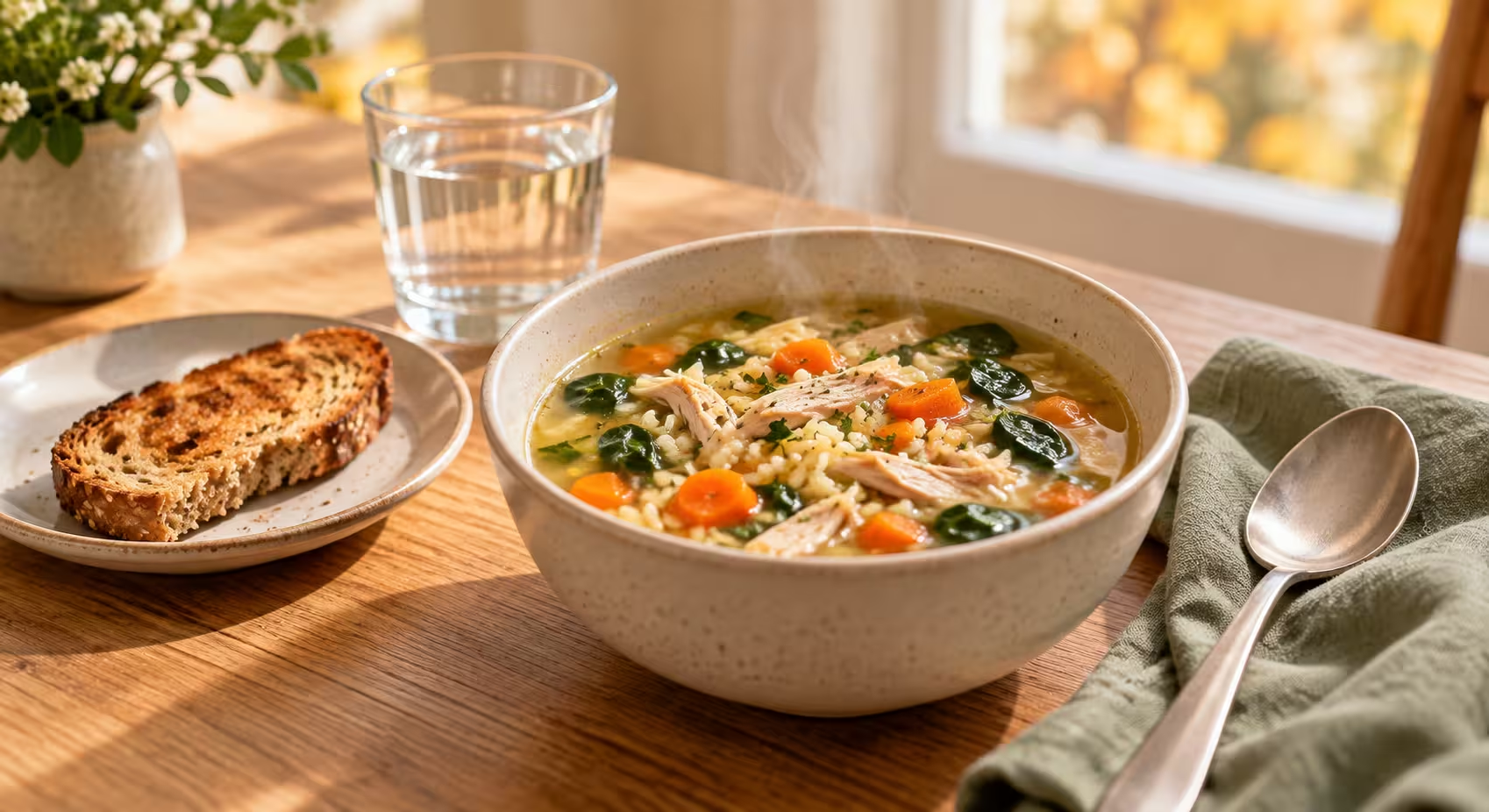


Not hungry on a GLP-1? Discover simple ways to make smaller meals nourishing, find foods you can comfortably enjoy, and recognize when low appetite needs a check-in with your provider.
Not hungry on a GLP-1? A lower appetite can make it harder to figure out what to eat, especially when you feel full after just a few bites. Making your meals count means getting enough nourishment through foods and portions you can comfortably manage. With simple meal ideas and support from your care team, you can build an eating routine that supports your health—even when hunger isn’t much of a reminder.
You open the refrigerator, look around, close it, and hope something more appealing appears the next time.
Sometimes choosing lunch feels like that. Add a lower appetite, and even a meal you usually enjoy can seem like a project.
GLP-1 medications can reduce hunger and help you feel full sooner. But eating less can also make it harder to meet your nutrition needs, which is why regular meals, adequate fluids, and nutrition follow-ups matter during treatment.
You still need nourishment to get through your day. And you deserve a plan that makes eating feel manageable.
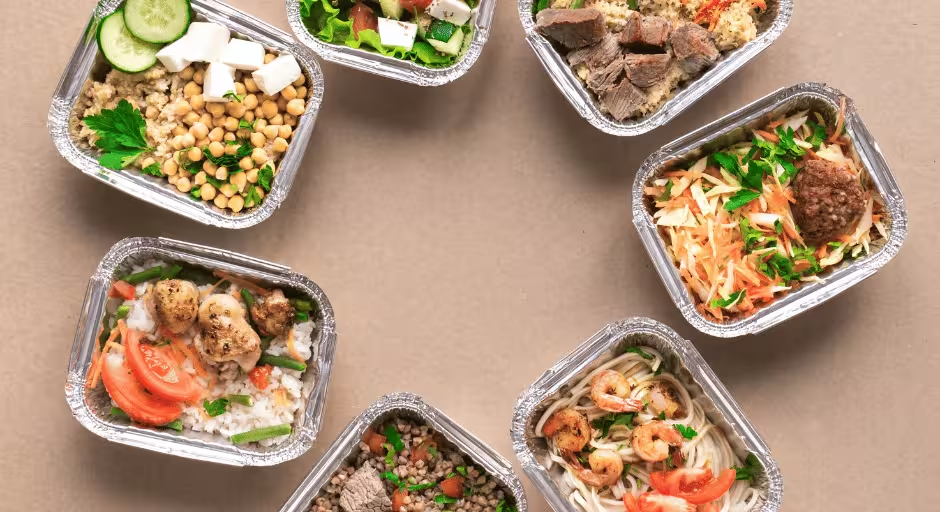
If three larger meals feel overwhelming, smaller meals spread throughout the day may be easier to manage.
Try setting aside a few regular opportunities to eat, even if your usual hunger signals are quieter. A reminder on your phone can help on days when meetings, errands, or school pickup make lunch disappear from the schedule.
Start with a comfortable portion, eat slowly, and stop before you feel uncomfortably full. You can put the rest away and try another small meal later. Smaller, more frequent meals are among the approaches recommended for managing reduced intake and gastrointestinal symptoms during GLP-1 treatment.
There’s no requirement for lunch to look like a restaurant entrée. Sometimes a small bowl and a spoon are plenty of ambition.
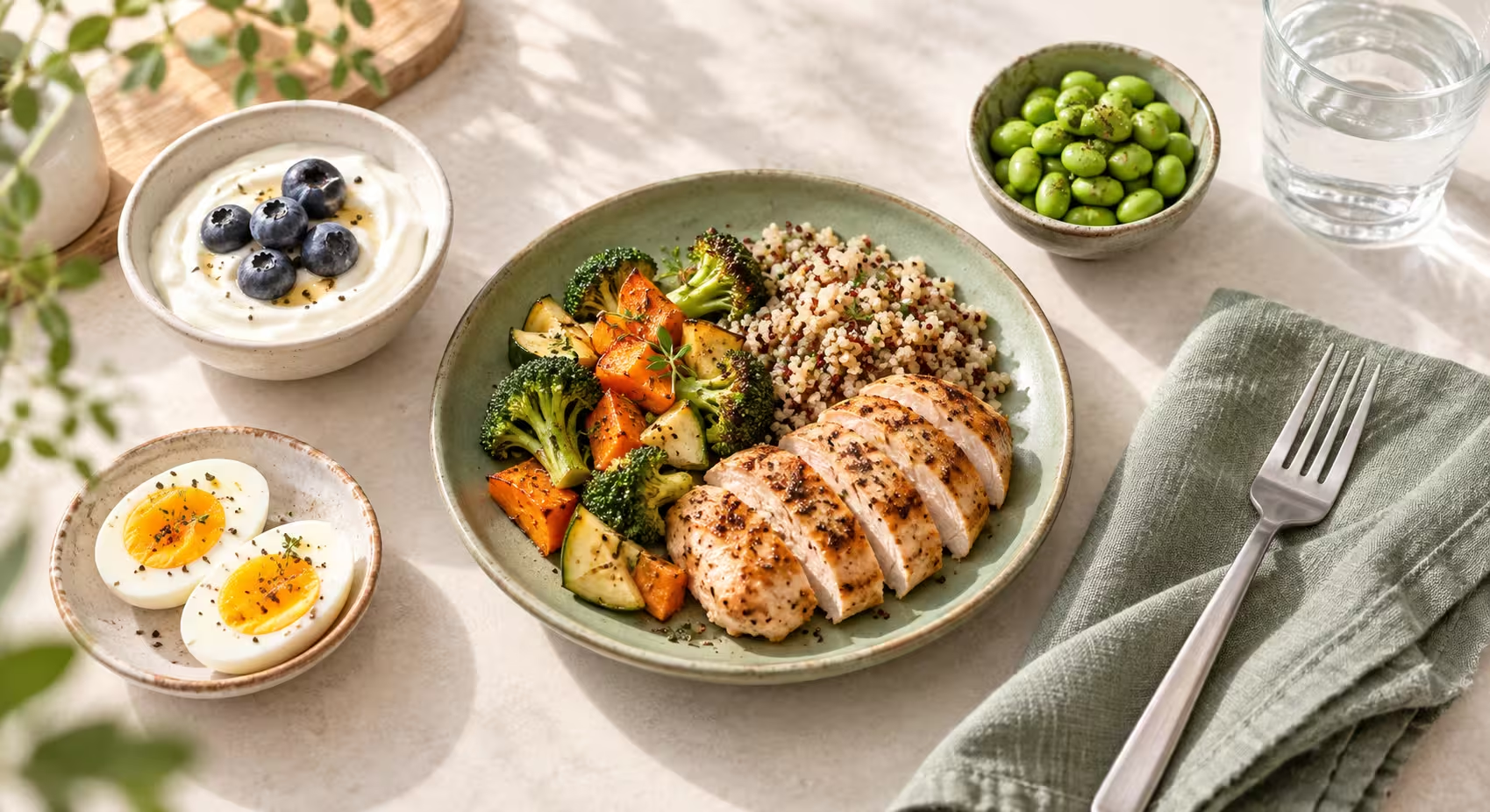
When your appetite is limited, it helps to have a simple starting point: a protein food, a source of energy such as bread, oats, rice, or potatoes, and some fruit or vegetables as tolerated.
You don’t have to fit every food group into every sitting. Think about variety across the day.
A few combinations to try:
These are starting ideas, not a prescribed menu. Choose foods that suit your preferences, medical needs, and tolerance.
Protein deserves attention during weight loss because it helps support muscle maintenance. But a giant serving of meat may not feel appealing when your appetite is low.
Look for smaller options you enjoy, such as eggs, yogurt, fish, tofu, cottage cheese, or beans. Including protein at several eating opportunities can make the task feel more manageable than trying to fit it all into dinner.
Your clinician or registered dietitian can help you set an appropriate protein goal. Nutrition needs vary, and protein is only one part of getting enough overall nourishment. There are many ways to include it. You do not have to develop a lifelong emotional attachment to grilled chicken.

Low appetite and nausea can overlap, but they aren’t the same experience. If you feel sick when you eat, pay attention to symptoms rather than assuming you simply need more willpower.
You may find plain foods, softer textures, or cooler meals more appealing. Rich, greasy, or spicy dishes can worsen symptoms for some people. Try small adjustments and notice your own response rather than ruling out entire categories of food. Keep a few dependable foods available for difficult days. Soup in the freezer, eggs in the refrigerator, and a favorite yogurt can reduce the amount of decision-making required.
Dinner doesn’t need a complicated recipe to be worth eating.
Keep a drink nearby and sip regularly throughout the day. If drinking a lot at once leaves you overly full, smaller sips may feel more comfortable. Follow any fluid limits your clinician has given you.
A smoothie or nutritional drink may also be useful when solid foods are difficult. Ask your dietitian whether one would help meet your needs; a protein shake is not automatically a complete meal.
Convenience can be helpful, especially when eating already feels like an effort.
A simple record can help you identify what’s working. Maybe breakfast goes down more easily than dinner. Maybe you eat more regularly when lunch is already prepared. Or perhaps nausea keeps showing up at a particular time.
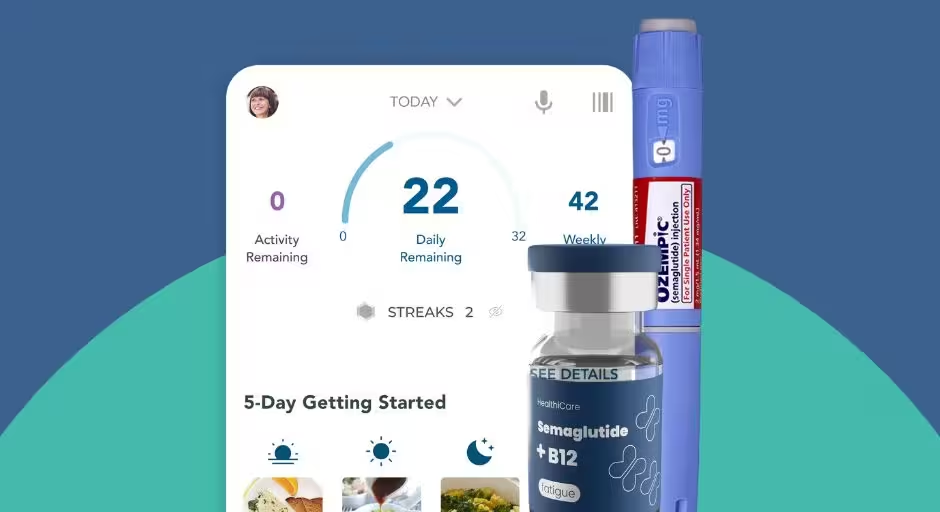
Use the Healthi app to log meals and bring those observations to your care team. You don’t need a perfect diary—just enough information to explain what your days look like.
On low-appetite days, remember that a smaller food log is not automatically a better one. Getting enough nourishment is part of taking care of yourself.
If you’re regularly unable to eat enough, feeling unusually weak or dizzy, or dealing with persistent nausea, contact your prescriber. They can assess your symptoms, review your treatment, and help you find appropriate nutrition support. Don’t adjust your medication on your own.
Repeated vomiting, an inability to keep fluids down, or severe or persistent abdominal pain warrants prompt medical attention.
When your appetite changes, it helps to have someone in your corner. With Healthicare, you can talk with a provider about how you’re feeling, ask questions about your GLP-1 treatment, and get guidance on your next steps. And with our lowest price ever, getting started feels a little more doable. Bring your questions—even the “is this normal?” ones. That’s what support is for.
You don’t have to solve every meal at once. Start with a few foods you tolerate, make eating opportunities easier to remember, and ask for support when you need it. Your appetite may be quieter, but your nutritional needs still deserve attention.
October 6, 2026














.avif)