
Weight Loss

All Treatments
Resources


All Treatments
Weight Loss Treatments
Tirzepatide
Semaglutide
Wegovy Pill
Resources
Healthi App
Blog
Member Meetings
Recipes
Podcast
Patient Sign in



Morning or night—when’s the best time to take your GLP-1? Spoiler: It depends on you. Your schedule, your side effects, your goals. In this article, we break down how timing can impact results—and how the HealthiCare team helps you find a routine that actually works for your lifestyle (not someone else’s).
You've got your GLP-1 prescription. The pen is in the fridge. The label says once weekly - it doesn't say when. Morning or night, before coffee or after dinner, Sunday at 7am or Sunday at 10pm. Most patients spend at least one dose cycle wondering if they picked the wrong time.
The short answer: there's no universal best time for injectable weekly GLP-1s. The longer answer involves your nausea profile, your meal schedule, and the specific drug you're on - and it's more useful than the short one.
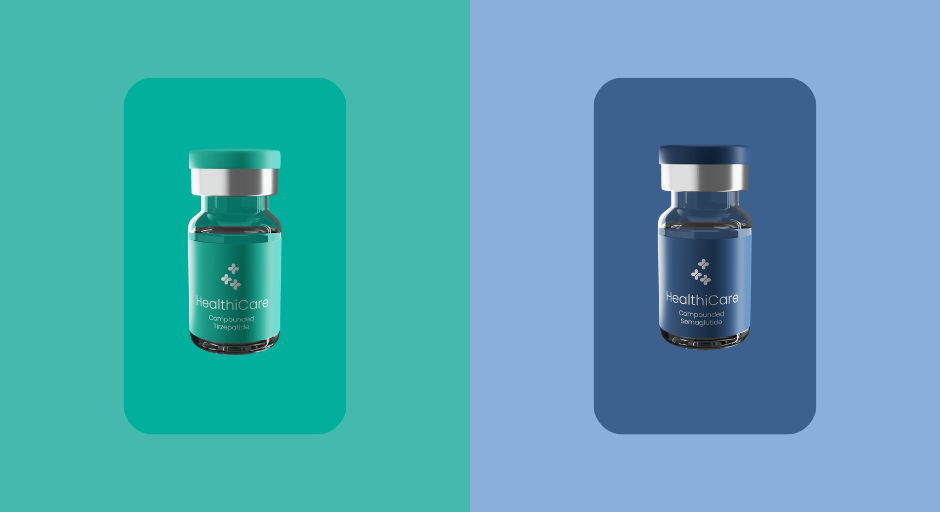
Neither morning nor evening dosing produces better weight loss outcomes. The difference shows up in side effect management and habit adherence - two things that affect whether the medication works long-term, even if they don't appear in the clinical trial endpoints.
When should you inject your GLP-1 medication?
Both morning and evening work — the right choice depends on how your body handles side effects and when you eat your largest meal.
Morning injection works best if you experience minimal nausea and your biggest meals fall before 3pm. Appetite suppression is strongest through breakfast and lunch, and the easiest habit anchor is pairing it with your morning coffee or brushing your teeth. The tradeoff is that any nausea or side effects will show up during your active daytime hours.
Evening or bedtime injection works best if nausea disrupts your day or dinner is your heaviest meal. Side effects pass overnight while you sleep, and appetite suppression carries strongest into the afternoon and evening. A natural habit anchor is pairing the injection with your bedtime routine or plugging in your phone to charge.
A simple rule of thumb: if nausea has been an issue, switch to bedtime. If your eating is front-loaded earlier in the day, morning gives you the strongest coverage when you need it most.
The timing decision comes down to one question: do post-injection side effects interfere with your waking hours? If yes, bedtime. If you have minimal nausea and your biggest eating window is during the day, morning gives your appetite suppression the hours it's most needed.
For patients who want a simple starting point: bedtime works as the default for most people in the first dose escalation phase, when side effects are worst. Once a dose stabilizes and nausea eases, morning dosing is an equally reasonable choice if it fits the routine better.
Yes - and it's worth understanding why. Semaglutide (Ozempic and Wegovy) has a half-life of roughly one week. It builds to concentration gradually after each injection, peaking somewhere between 24 and 72 hours post-dose depending on the individual. That slow, sustained profile means injection timing is relatively flexible. A Monday morning injection and a Monday evening injection produce nearly identical week-long drug exposure.
Tirzepatide (Mounjaro and Zepbound) peaks faster - typically within 24 to 48 hours after injection - which makes the bedtime shift more meaningful. Inject Saturday night; peak concentration arrives Sunday morning while you're sleeping or just waking up. The most acute nausea window moves away from your most active hours. For semaglutide, the same logic applies but the effect is less pronounced because the peak is slower and flatter.
We should clarify something here: this doesn't mean morning dosing is wrong for tirzepatide. A significant share of HealthiCare patients inject in the morning without nausea problems. The bedtime advantage is real but not dramatic - it reduces post-injection nausea for many patients, not eliminates it for all of them.
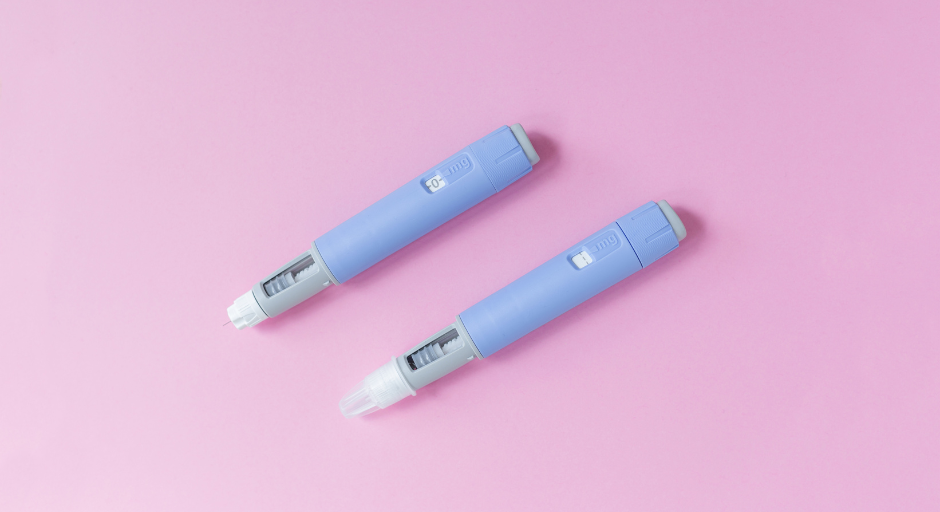
Nausea is worst during dose escalation weeks, not at a stable dose. That makes the timing question most relevant in the first four to six months on any given dose level. If you're in that window and nausea is getting in the way of working or sleeping, bedtime dosing is the first adjustment to try before requesting a dose reduction.
The strategy works because of a specific mechanic: peak drug concentration arrives roughly 8 to 24 hours after injection for most weekly GLP-1s. Dosing at 10pm means the sharpest part of the peak window hits between 6am and 10pm the next day - but the first 8 hours of that window are overnight. You sleep through the most acute phase. The nausea that does appear often feels closer to morning grogginess than active illness, and it typically clears before the workday is fully underway.
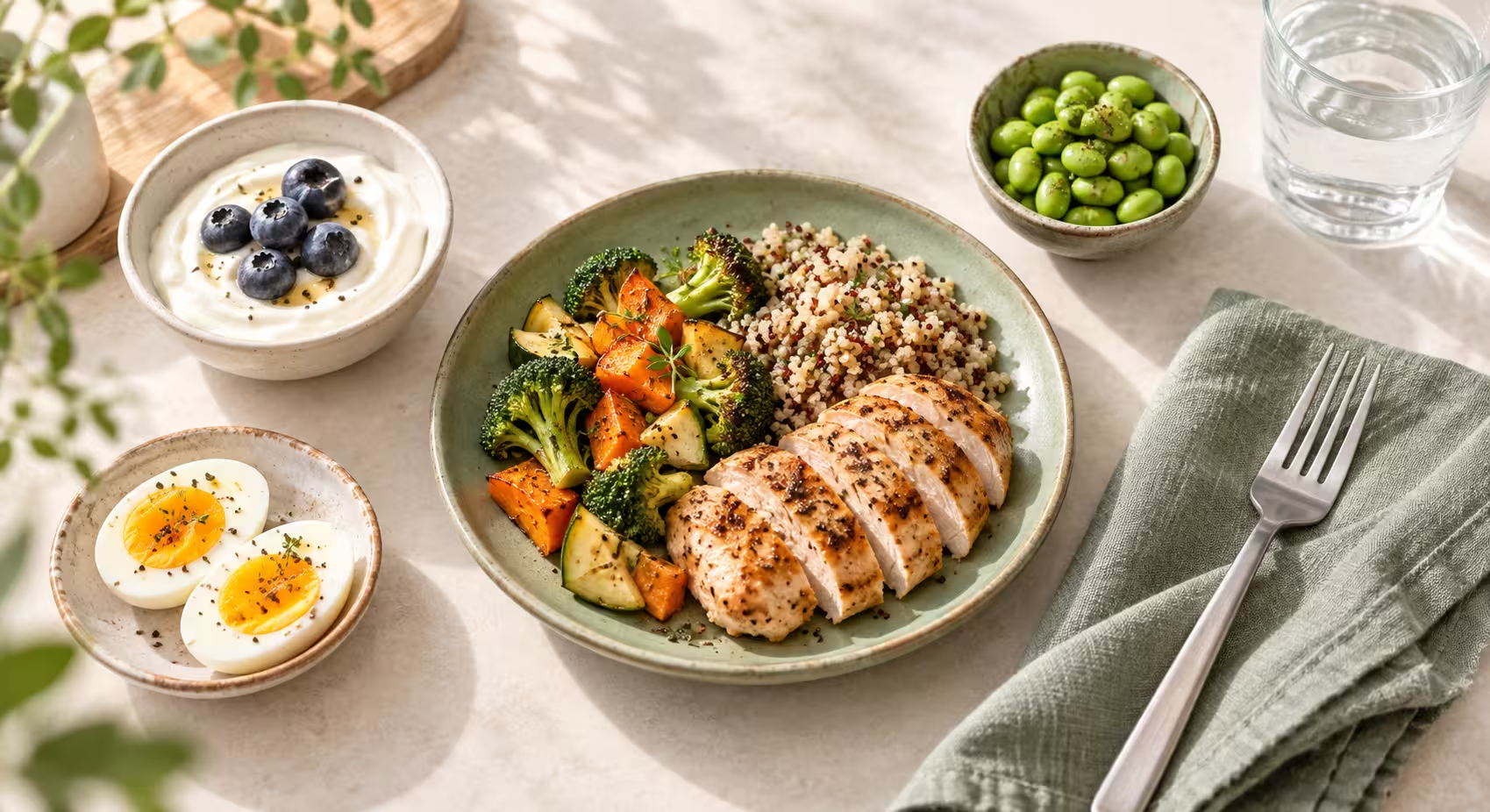
Food choices matter alongside timing. Even with optimal injection timing, a high-fat breakfast on post-injection morning one is a reliable way to undo whatever the bedtime strategy gained. Lean proteins and bland foods for the first 48 hours after injection do more for nausea management than timing alone.
Same day, every week. That rule matters more than hour-of-day, and it's the one that affects outcomes in a way the research is clear about. A semaglutide injection on Monday one week and Thursday the next produces variable drug concentration that makes side effects less predictable and may reduce the medication's overall effectiveness.
This might sound like we're undercutting the rest of this article. We're not. Timing within the day genuinely matters for nausea management, especially during dose escalation. But once you've found a day-and-time that works and you've been on a stable dose for three or four months with no issues - there's no clinical case for switching from morning to evening (or back) expecting a meaningful improvement in results. Pick a time, build the habit, leave it alone.
The specific anchor habit matters less than its reliability. Morning coffee and teeth brushing are the most commonly mentioned anchors in our patient community. Bedtime phone charging works well for patients who tend to miss midday reminders. The habit just has to fire without thinking - because the weeks when you almost forget are the weeks when an anchor saves the dose.

Switching from morning to evening dosing, or the reverse, is not a clinical problem. The practical advice is to make the switch at a stable dose rather than during a dose escalation week. Changing timing and dosage at the same time makes it difficult to understand what's driving any change in side effects. Give the new timing at least three injection cycles before drawing conclusions about whether it helped.
If you're switching specifically because of nausea, address high-fat foods in the 48 hours after injection before attributing the problem entirely to timing. Food is more often the primary driver than injection hour, and switching timing without changing diet sometimes produces a brief improvement followed by the same nausea returning at the next dose cycle.
Questions like this one - when to inject, what to eat around it, when to try bedtime dosing - come up constantly in HealthiCare's live member meetings. The coaching team addresses them in real time alongside patients going through the same adjustment phases. That collective experience is part of what the support system is built for, and it's not something a prescription alone provides.
Healthi Fresh, HealthiCare's nutrition plan built specifically for GLP-1 patients, accounts for the post-injection eating window. The meal guidance is built around what the body tolerates in the 24 to 48 hours after a weekly injection - lean proteins, manageable portions, and foods that don't compound the side effects of a dose escalation week. It lives inside the Healthi app alongside BITES tracking and the live member meeting schedule.
For weekly injectable GLP-1s like semaglutide and tirzepatide, no. Both are absorbed subcutaneously rather than through the digestive tract, so what you eat at the time of injection has no effect on absorption or efficacy. The food-timing rules that matter are about managing nausea in the hours after injection - not about the injection itself. Oral semaglutide (Rybelsus) is different and does require a specific morning, empty-stomach protocol; those guidelines don't apply to weekly injectables.
Yes, with one constraint: the new day needs to be at least four days after the previous dose. Moving from Monday to Friday works. Moving from Monday to Wednesday is too close. Once the new day is established, keep it consistent going forward. The specific protocols for semaglutide and tirzepatide vary slightly on day changes, so confirming with the prescribing provider or pharmacist is worth the call before making the switch.
For most weekly injectable GLP-1s, the missed dose can be taken within a short makeup window - typically 48 to 72 hours after the scheduled date - as long as the next scheduled dose is still at least four days out. We'd confirm this with your prescriber rather than relying on general guidance, because the exact protocols differ between semaglutide and tirzepatide products. After the makeup dose, return to the original weekly schedule rather than adjusting the day forward.
For some patients, yes. Lower starting doses often produce mild side effects that make morning dosing easy to tolerate. When doses increase, patients who had no nausea at the lower dose sometimes develop it at the escalation level - and that's when shifting to bedtime becomes worth trying. The timing that worked at 0.25mg semaglutide may not be the right call at 1mg. We'd pay attention to how each new dose level feels in the first three days before assuming the original timing strategy still fits.
At HealthiCare, our philosophy is built on two core principles: First, that medication is just one piece of the puzzle; and Second, that true success comes from combining medication with a commitment to Care and a robust support system.
We believe in more than just medication - we believe in Care + Medication. Our Care Team is here to support you throughout your journey, and all HealthiCare Members have access to our team of coaches, treatment guides, live virtual member meetings, and the Healthi weight loss app, you’ll have support every step of the way.
July 29, 2026















.avif)