
Weight Loss

All Treatments
Resources


All Treatments
Weight Loss Treatments
Tirzepatide
Semaglutide
Wegovy Pill
Resources
Healthi App
Blog
Member Meetings
Recipes
Podcast
Patient Sign in



GLP-1 medications like semaglutide and tirzepatide have taken the weight loss world by storm—with results that are hard to ignore and buzz that’s impossible to miss. But with hefty price tags and a few side effects to consider, many are left wondering: is it really worth it? In this guide, we break down the science behind GLP-1s, the real-life benefits, potential downsides, and how HealthiCare is making this powerful tool more affordable, supportive, and sustainable. Whether you’re curious, cautious, or ready to commit, this is your go-to resource for all things GLP-1.
The GLP-1 cost number that stops most people is $1,300 per month - that's what cash-pay brand-name tirzepatide runs at a retail pharmacy without insurance. It's a real number, and it shuts down a lot of conversations before they get anywhere useful. At HealthiCare, personalized semaglutide starts at $126.00/month - or $107.10/month on a 3-month plan - and personalized tirzepatide at $144.00/month, or $122.40/month on the 3-month plan. Both include medication, shipping, and clinical support, with every line item shown upfront. No membership fees, no surprises, no fine print.
We work with patients every week who either delayed starting GLP-1 therapy because they assumed it was unaffordable, or who started through a cheaper channel and ran into trouble. Both outcomes are avoidable. This piece breaks down what actual pricing options look like across the current market, explains what's included in different programs (and what often isn't), and covers what's changing with Medicare coverage in mid-2026.
Key Takeaways

Four distinct pricing tiers exist right now, and they vary enough that comparing two of them doesn't give you a complete picture.
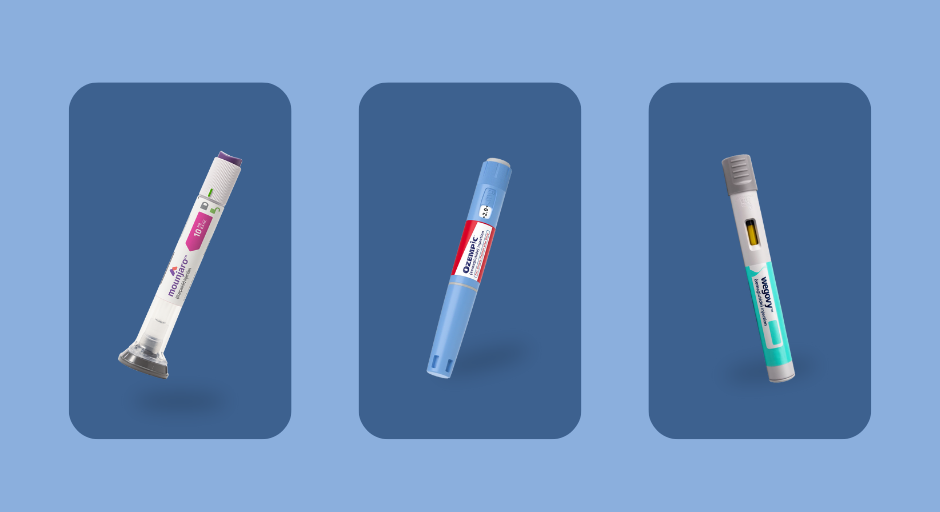
The most expensive is retail cash-pay. Without insurance, brand-name Wegovy (semaglutide) costs approximately $900-$1,100/month at a standard pharmacy. Zepbound (tirzepatide) runs $1,050-$1,300/month. These are list prices minus whatever manufacturer savings card discounts apply - which aren't available to every patient, and often have annual caps. Once you hit the cap, you're paying list.
The second tier is manufacturer-direct. Eli Lilly's LillyDirect program offers Zepbound at $349-$499/month depending on dose. Novo Nordisk's NovoCare program has comparable offerings for Wegovy. These are legitimate programs - the medication is FDA-approved product from the same manufacturer - and the pricing is meaningfully better than retail. The tradeoff is that manufacturer-direct programs are medication delivery. They don't include the clinical support, behavioral coaching, or community infrastructure that a full weight-loss program provides.
The third tier is clinical programs with bundled pricing, which is where HealthiCare operates. Our personalized semaglutide program is $126.00/month, or $107.10/month on the 3-month plan - medication, cold-chain shipping, and clinical support all included, with every single cost shown before you start. Our personalized tirzepatide program follows the same structure at $144.00/month, or $122.40/month on the 3-month plan. What "clinical support" actually covers in our program - because this phrase gets used loosely in the industry - includes our Healthi app with live member meetings, community coaches, a recipe library, BITES tracking, and Healthi Fresh nutrition guidance developed specifically for patients on GLP-1 therapy. No membership fees. No fine print. Same price every dose.
The fourth tier is insurance coverage, which has historically been the least accessible for obesity indications specifically. One of the main reasons for this is that insurance coverage for these types of treatments can be inconsistent and short-term. In many cases, coverage is approved initially but then discontinued just as patients begin to see meaningful progress. We'll cover the Medicare changes in 2026 further down.
U.S. pharmaceutical list pricing is genuinely strange, and GLP-1s illustrate the underlying mechanics pretty clearly. Semaglutide and tirzepatide are biologics with real manufacturing costs - they're not cheap to produce. But the difference between a $1,300 retail price and a $126.00 program price isn't primarily explained by the drug itself. It's explained by the distribution chain and the business model sitting on top of it.
Retail pricing is built around an assumption that insurance will cover the majority of the cost. The pharmacy's margin, the PBM's portion, and the manufacturer's list price are all calibrated for that system. Cash-pay patients enter a price structure that was never designed for them. Manufacturer savings cards exist partly to patch this, but they introduce their own complications - eligibility restrictions, annual maximums, and expiration dates that catch people off guard in year two.
Clinical programs that source directly and manage their own dispensing can offer lower prices because they've removed several intermediaries from the chain. We should be clear about something here: this model works because of operational volume and efficiency, not because we've found some price floor that everyone else is ignoring. Our $126.00 price for personalized semaglutide covers medication and the clinical infrastructure around it. It's not a loss leader, and it's not a price we can guarantee indefinitely if the cost structure changes - something worth knowing if you're planning your budget 12-24 months out.

Two GLP-1 programs at different price points are not necessarily comparable products, and the "what's included" question has a bigger effect on outcomes than it might seem upfront.
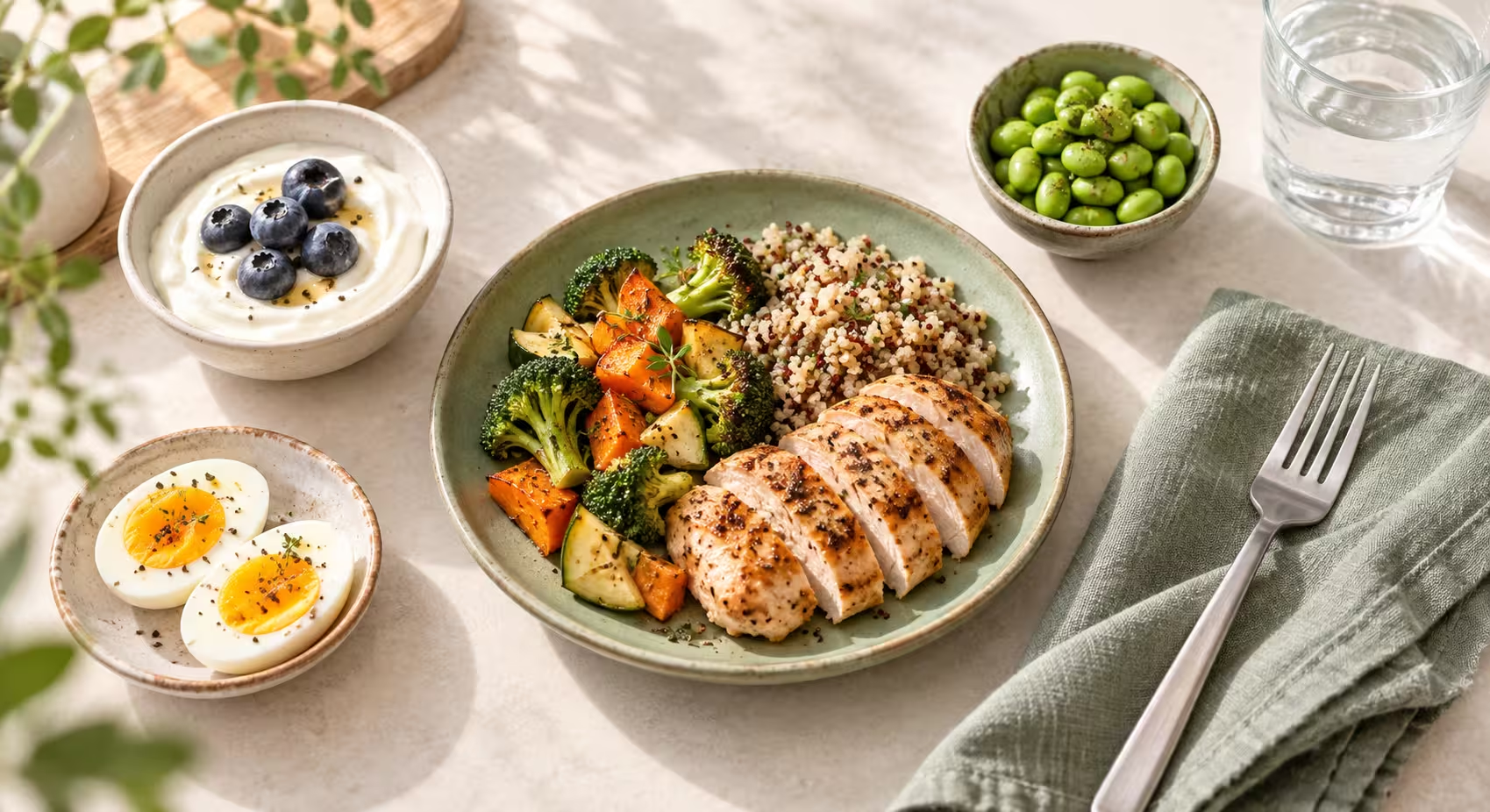
Our personalized semaglutide program at $126.00/month ($107.10/month on the 3-month plan) starts with the medication itself - shipped cold-chain to your door. Clinical oversight for titration and dosing adjustments is included. So is full access to the Healthi ecosystem: live coaching sessions with our clinical team including Head Coach Lisa Wood, the Healthi app with its member community and BITES tracking system, and Healthi Fresh - the nutrition guidance program we developed specifically for patients managing hunger, satiety, and dietary patterns while on GLP-1 therapy. GLP-1 patients have distinct nutritional needs compared to patients managing weight through other methods, and Healthi Fresh is built around that. That's not an upgrade or add-on. It's part of the monthly price.
Our personalized tirzepatide program at $144.00/month ($122.40/month on the 3-month plan) covers the same clinical and support infrastructure with tirzepatide as the medication. The price difference reflects tirzepatide's dual-receptor mechanism - it acts on both GIP and GLP-1 pathways - and the higher manufacturing cost that comes with a more complex molecule.
We want to say something here that doesn't always make it into program comparisons: the lowest-cost GLP-1 option and the most clinically supported option are rarely the same thing, and the difference in outcomes can be significant. We think the support layer matters - and the discontinuation data we're about to cover gives us reason to say that. But we're also aware that for some patients, cost is the binding constraint, and accessing medication through a lower-cost channel without support is still meaningfully better than not accessing treatment at all. That's a real tradeoff, and it's worth having an honest conversation about with a provider rather than having us decide for you. Our intake team does exactly that kind of conversation.
The SURMOUNT-5 trial, published in the New England Journal of Medicine in 2025, is the best head-to-head comparison available between the two leading medications. In 751 adults followed for 72 weeks, tirzepatide produced 20.2% body weight reduction versus 13.7% for semaglutide. Both results are clinically significant. Tirzepatide's advantage over semaglutide is real and statistically meaningful - not a rounding difference. Whether that 6.5 percentage point difference justifies the additional monthly cost depends on starting weight, clinical goals, and how each individual patient responds to the mechanisms involved. We can't answer that generically.
The discontinuation picture complicates any simple ROI calculation. A 2025 analysis of 125,474 adults found 46.5% had discontinued GLP-1 therapy within one year. Nearly half. Cost accounts for some of that - but studies looking at the drivers of early discontinuation consistently identify side effect intolerance and lack of behavioral support as factors independent of cost. A cheaper monthly price that doesn't address those variables doesn't automatically improve 12-month adherence. It's one of the reasons we include the support infrastructure rather than offering medication only.
The longer-term medical value of sustained GLP-1 use - cardiovascular risk reduction, improved insulin sensitivity, reduced inflammatory markers, lower joint load - has been documented in trial populations. Putting a dollar figure on those outcomes is hard to do honestly, since it depends heavily on an individual's baseline health profile and what conditions they're managing. For patients with obesity-related comorbidities, the clinical value extends well beyond the number on the scale.
A few contraindications are worth knowing before the cost question becomes relevant. GLP-1 receptor agonists are not appropriate for patients with personal or family history of medullary thyroid carcinoma or Multiple Endocrine Neoplasia type 2 (MEN-2) - both semaglutide and tirzepatide carry FDA black box warnings on this. Patients with a history of pancreatitis need careful clinical evaluation before starting either medication. GLP-1 therapy is also not prescribed during pregnancy.
We're raising this not to discourage anyone, but because a program that skips clinical screening before issuing a prescription is skipping something important. Most patients seeking GLP-1 treatment don't have these contraindications. But the screening step exists for a reason, and it's part of our intake process.
Mid-2026 brings a policy change that's meaningful for a large patient population: Medicare Part D begins covering GLP-1 medications prescribed for obesity. The distinction matters - GLP-1 coverage for Type 2 diabetes has existed longer. Coverage for obesity as the primary indication is newer and has been largely unavailable through Medicare until now. Projected copays under standard Part D cost-sharing are approximately $50/month for eligible beneficiaries - primarily adults 65 and older, along with certain younger individuals with qualifying disabilities or end-stage renal disease. For everyone else paying out of pocket, HealthiCare's transparent pricing structure is the most direct path to predictable monthly costs: $126.00/month for personalized semaglutide or $144.00/month for personalized tirzepatide, with no membership required and the same price at every dose level.
Private insurance coverage remains inconsistent. Some plans cover semaglutide or tirzepatide for obesity; many don't, or require prior authorization that takes weeks to process. Plan formularies are updating faster than most employers realize, which means a plan that excluded GLP-1s last year might cover them now - and occasionally the reverse. The right question to ask your insurer is specifically whether GLP-1 agonists are covered for obesity management, not just for diabetes. Those are handled differently at the formulary level.
For patients in HealthiCare's programs, our clinical team can help with the documentation that insurance carriers typically request during prior authorization. We're not able to guarantee coverage decisions, but we've been through this process enough times to know what documentation makes a complete file versus one that gets kicked back.
If you've worked through the cost breakdown and want to understand which program fits your clinical situation, our team does a full intake evaluation before any prescription is issued. There's no obligation to enroll - the intake is about making sure GLP-1 therapy is appropriate for you and that you go in with accurate expectations about what the process looks like. Learn more about HealthiCare's weight loss programs here.
At retail without insurance, brand-name semaglutide (Wegovy) runs approximately $900-$1,100/month. Through HealthiCare, personalized semaglutide is $126.00/month on the monthly plan, or $107.10/month on the 3-month plan - medication, delivery, and clinical support all included, with every cost itemized before you start. Manufacturer programs like NovoCare offer intermediate pricing, typically $349-$499/month, without the bundled support layer.
Retail cash-pay tirzepatide (Zepbound) costs approximately $1,050-$1,300/month. HealthiCare's personalized tirzepatide is $144.00/month on the monthly plan, or $122.40/month on the 3-month plan, with medication, delivery, and clinical support all included. LillyDirect sells tirzepatide at $349-$499/month depending on dose, which is worth considering for patients who want the brand-name product and don't need the full support infrastructure around it.
Coverage varies significantly by plan. Medicare Part D begins covering GLP-1s for obesity in mid-2026 at an estimated $50/month copay for eligible beneficiaries - primarily adults 65 and older and certain younger individuals with qualifying disabilities or end-stage renal disease. Private insurance is inconsistent - some plans cover it, many require prior authorization, and some exclude it entirely for obesity indications even while covering it for Type 2 diabetes. Call your insurer and ask specifically about GLP-1 agonists for obesity management by name.
That depends on factors we can't evaluate from a general FAQ - your starting weight, current health conditions, what other approaches you've tried, and your clinical goals. The efficacy data is strong: SURMOUNT-5 showed 13.7-20.2% body weight reduction at 72 weeks depending on the medication. Whether that outcome justifies $107.10-$122.40/month on the 3-month plan is a conversation we'd rather have with you directly than answer in general terms. Our intake process is specifically structured for it.
Most patients regain a significant portion of lost weight after stopping GLP-1 therapy, particularly without maintained behavioral and dietary habits. This is well-documented and is one of the reasons we build GLP-1 therapy into a broader program rather than treating it as a standalone medication. The 46.5% one-year discontinuation rate in the 2025 study is relevant here - patients who stop often do so without a structured plan for maintaining progress, which affects how those outcomes play out.
Yes. HealthiCare offers personalized semaglutide and personalized tirzepatide - medications prepared by our US-based, licensed specialty pharmacy partner to match individual patient needs. We know that various GLP-1 products were widely used during the period when FDA shortage designations created different availability conditions in the market. The regulatory environment around GLP-1 medications continues to evolve, and we'd encourage anyone with questions about their current medication source to speak with a clinical provider. We're happy to have that conversation during intake.
At HealthiCare, our philosophy is built on two core principles: First, that medication is just one piece of the puzzle; and Second, that true success comes from combining medication with a commitment to Care and a robust support system.
We believe in more than just medication - we believe in Care + Medication. Our Care Team is here to support you throughout your journey, and all HealthiCare Members have access to our team of coaches, treatment guides, live virtual member meetings, and the Healthi weight loss app, you'll have support every step of the way.
September 24, 2026















.avif)