Weight Loss

All Treatments
Resources


All Treatments
Weight Loss Treatments
Tirzepatide
Semaglutide
Wegovy Pill
Resources
Healthi App
Blog
Member Meetings
Recipes
Podcast
Patient Sign in
.avif)


A GLP-1-friendly kitchen doesn't need to be restrictive. It just needs to make nutritious, satisfying choices easier when your appetite and routine change.
Taking GLP-1 medication can change the way you eat, especially when a smaller appetite means large meals no longer sound appealing. Knowing what to keep in your kitchen when you're taking GLP-1 can make it easier to get enough protein, fiber, fluids, and essential nutrients without relying on complicated recipes or oversized portions. A GLP-1-friendly kitchen doesn't need to be restrictive or filled with specialty foods. It should simply make nutritious, satisfying choices easier to reach for when your appetite and routine change.
Starting a GLP-1 medication can make the grocery store feel a little different, too. Foods that once made up the bulk of your meals may not sound as appealing, and you may find yourself choosing smaller portions or eating differently throughout the day. Having foods that work well with your changing appetite can take some of the guesswork out of mealtime.
That doesn't mean you need to completely overhaul your kitchen. In fact, one of the most helpful things you can do while taking a GLP-1 is keep simple, nutrient-dense foods within easy reach. When you're hungry but don't want to spend an hour deciding what to make, having a few reliable options already in the refrigerator, freezer, or pantry can make a big difference.
GLP-1 medications can reduce appetite and slow stomach emptying, so getting adequate nutrition may require a little more intention. Prioritizing protein, fiber, fluids, and other nutrient-dense foods can help support nutritional needs during GLP-1 treatment. The trick is making those foods convenient enough to fit into real life.
Protein deserves a permanent spot in your kitchen when you're taking a GLP-1. When overall food intake decreases, it can become easier to unintentionally fall short on protein, which is important for maintaining muscle and supporting fullness.
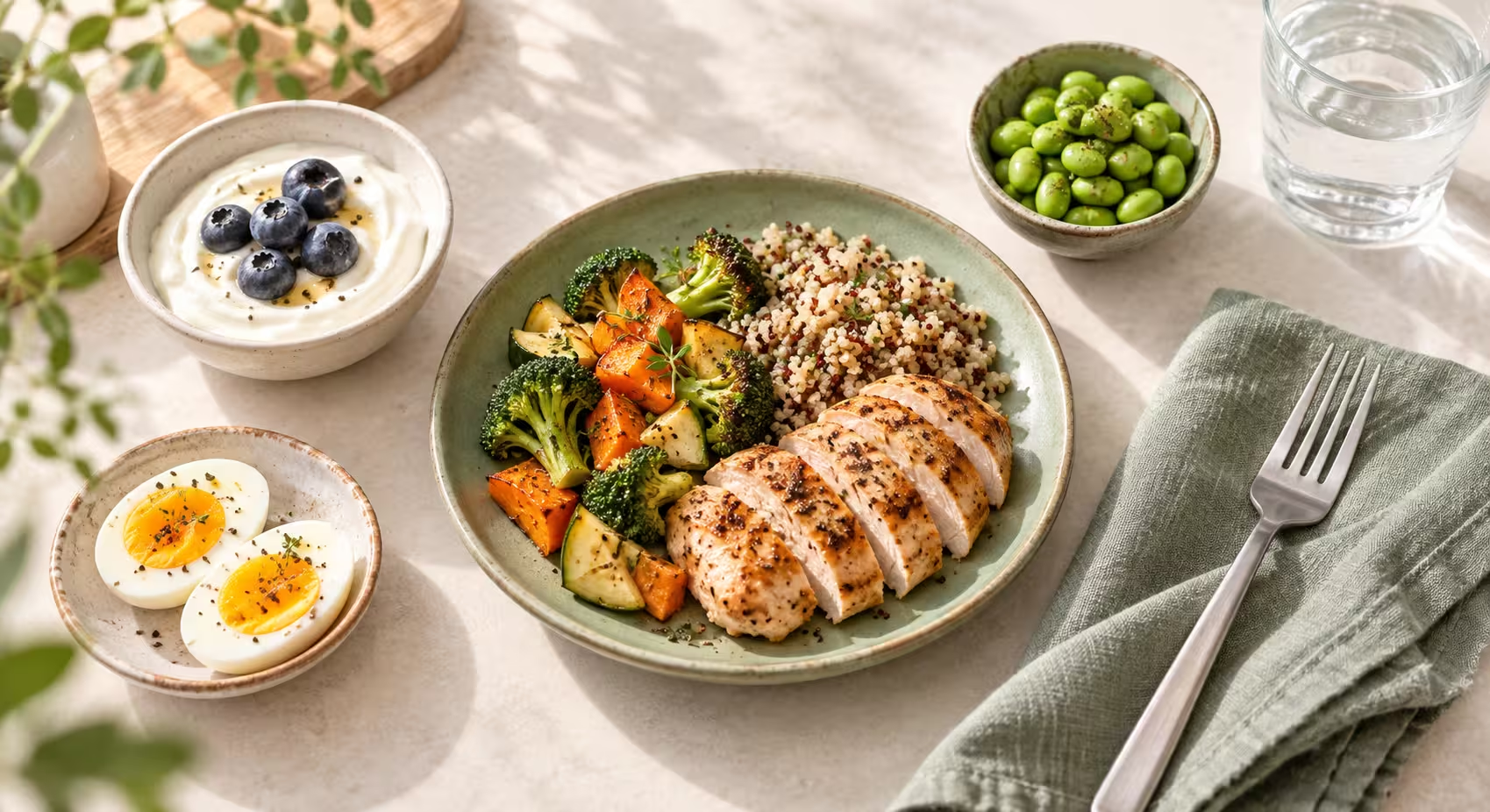
That doesn't mean every meal needs to look like a giant chicken breast sitting next to a mountain of vegetables. Keep several protein options available so you can choose based on what sounds good that day.
Eggs are an easy option for breakfast, snacks, or quick dinners. Greek yogurt and cottage cheese work well when you want something cold and light. Chicken, turkey, lean beef, fish, tuna packets, shrimp, and other lean proteins can become the base of smaller meals. Beans, lentils, tofu, and other plant-based options can add variety, too.
Protein shakes or ready-to-drink protein beverages can also be useful for days when a full meal doesn't sound appealing. They're not meant to replace every meal, but having a convenient option available can be helpful when appetite is low and getting enough protein from food feels difficult.
.avif)
Produce doesn't have to be complicated to be useful.
Fresh berries, bananas, apples, grapes, oranges, baby carrots, cucumbers, bell peppers, cherry tomatoes, and pre-cut vegetables are all easy options to keep around. Frozen fruits and vegetables are just as useful when fresh produce isn't practical, and they can save a surprising amount of time.
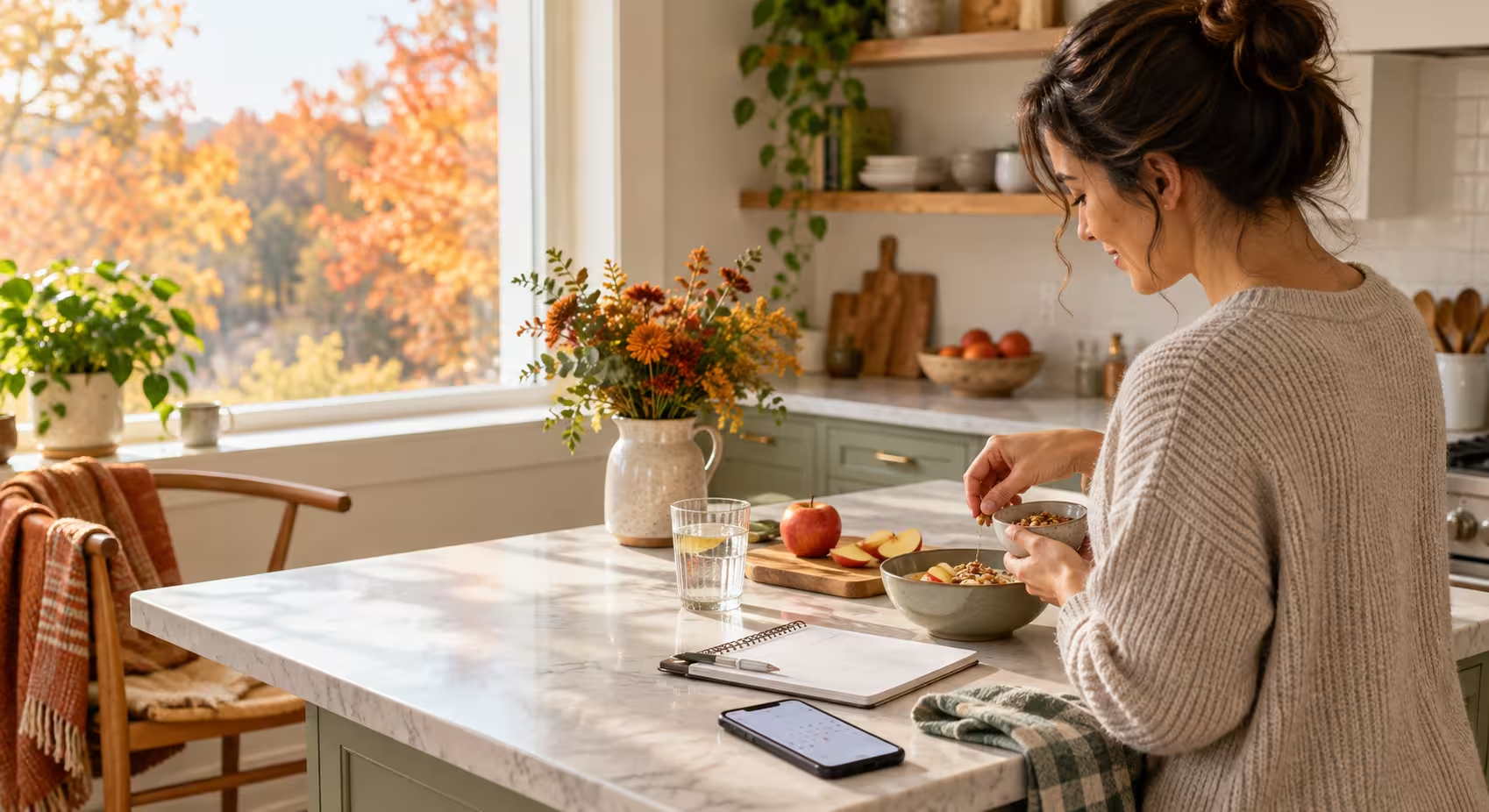
This is especially helpful when you're eating smaller portions. A little fruit with Greek yogurt, berries mixed into oatmeal, or some sliced vegetables alongside a turkey wrap can add nutrients and fiber without requiring a huge meal.
If your stomach is sensitive, you may find that certain foods are easier to tolerate than others. GLP-1 medications can cause gastrointestinal side effects such as nausea, vomiting, diarrhea, abdominal discomfort, or constipation, particularly during dose increases.
There's no universal list of foods that everyone on a GLP-1 needs to avoid. Pay attention to your own response, and talk with your healthcare provider if symptoms are persistent, severe, or concerning.
Fiber can be easy to overlook when you're simply trying to eat enough.
Oatmeal, berries, apples, pears, beans, lentils, chia seeds, flaxseed, whole grains, vegetables, and nuts can all contribute fiber to your day. Keeping a few of these foods in the pantry or refrigerator means you don't have to think too hard about where your next serving is coming from.
Fiber is also important for digestive health, and adequate fluid intake helps fiber do its job. Adults generally need around 22 to 34 grams of fiber per day, depending on age and sex, although individual needs can vary. NIDDK recommends increasing fiber gradually and drinking plenty of liquids.
If you're already dealing with constipation, suddenly loading up on a huge amount of fiber isn't necessarily the answer. Increase it gradually and make hydration part of the equation.
A GLP-1-friendly kitchen doesn't need to be a carb-free kitchen.
Carbohydrates are one of the body's main sources of energy, and foods such as oats, potatoes, fruit, whole-grain bread, rice, beans, and whole-grain pasta can absolutely have a place in a balanced eating pattern.
The difference is often in how you build the meal. Pairing carbohydrates with protein, vegetables, or healthy fats can make a smaller meal more satisfying and provide a broader mix of nutrients.
Think about foods you can actually picture yourself eating. A piece of whole-grain toast with eggs. Oatmeal with Greek yogurt and berries. A small baked potato with chicken and vegetables. A turkey wrap with fruit. These aren't complicated meals, but they can provide much more nutritional value than trying to survive on tiny portions of whatever happens to be easiest.
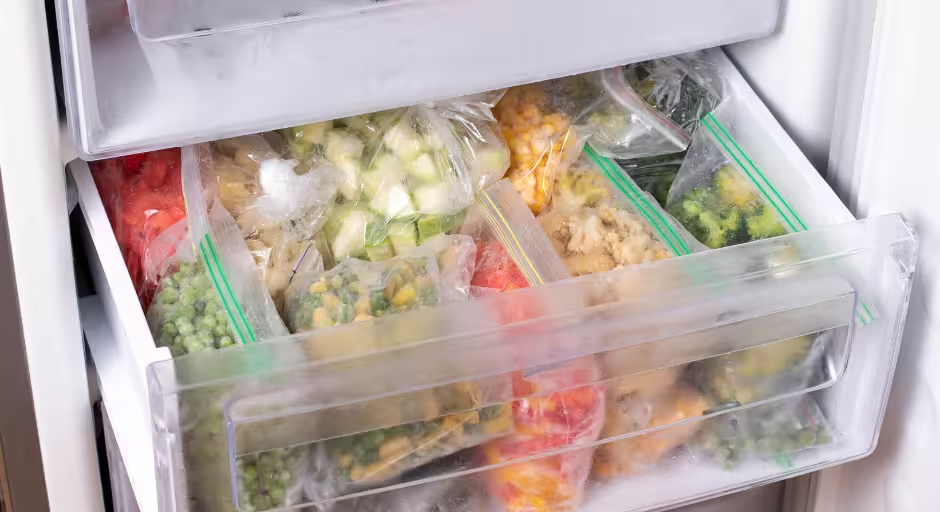
Some days, cooking sounds completely unappealing. That's where a few convenience foods can save you.
Keep things like rotisserie chicken, tuna packets, frozen grilled chicken, pre-cooked hard-boiled eggs, microwaveable vegetables, frozen fruit, individual Greek yogurts, low-sugar oatmeal cups, whole-grain wraps, and single-serving rice or grain options available.
There is nothing wrong with using convenience foods strategically. In fact, having food that requires almost no preparation can make it easier to eat something nutritious instead of realizing at 7 p.m. that you've barely eaten all day.
Smaller meals may also feel more manageable for some people taking GLP-1 medication. The important part is still getting enough nutrition over the course of the day rather than forcing yourself through a large meal simply because that's what you used to eat.
Water should be one of the easiest things to reach for in your kitchen.
Keep a water bottle or glass nearby, and consider having a few options available if plain water gets boring. Unsweetened tea, flavored water, or other low- or no-sugar beverages can help add variety.
Hydration matters even when you're eating less. Reduced food and fluid intake can increase the risk of dehydration, and vomiting or diarrhea can make that risk greater. Dehydration can also make constipation more difficult to manage.
Instead of waiting until you're extremely thirsty, make sipping throughout the day part of your routine. If you're having trouble keeping fluids down or experiencing significant vomiting or diarrhea, contact your healthcare provider.
This category might be the most important one, because every kitchen needs a backup plan.
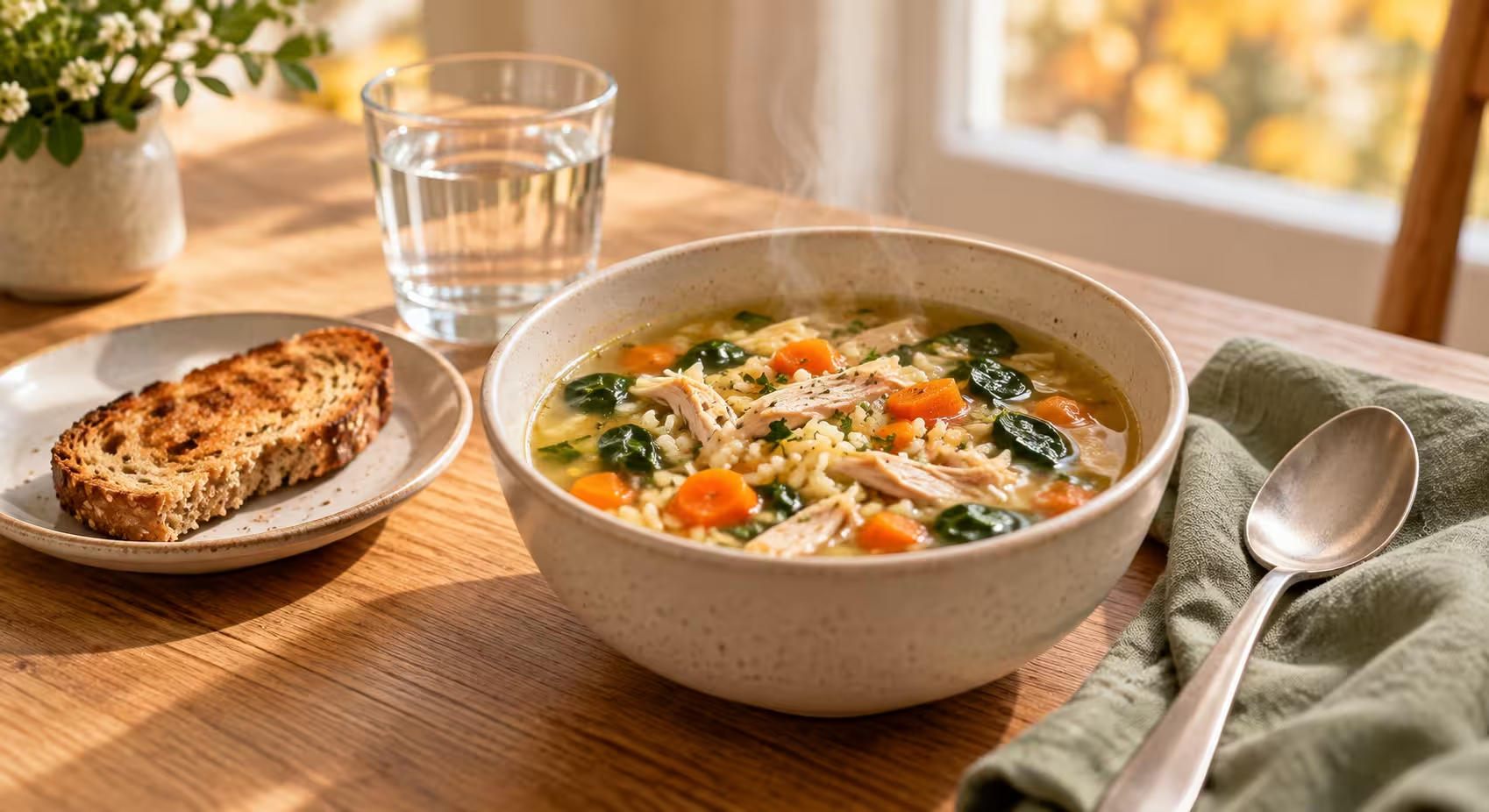
Maybe it's a frozen turkey burger, soup, eggs, a protein shake, a bag of frozen vegetables, or a simple chicken and rice bowl. These aren't necessarily the most exciting foods in your refrigerator, but they're there for the nights when cooking feels like an unreasonable request.
Having backup foods can also help prevent the common GLP-1 problem of accidentally eating too little. When appetite is low, it's easy to think, "I'm not hungry, so I'll just skip it." Every once in a while, that's one thing. Repeatedly going long stretches without eating enough can make it harder to meet your body's nutritional needs.
A kitchen stocked with simple options gives you a middle ground between a full meal and nothing at all.
One of the biggest mistakes is assuming that taking a GLP-1 means every food in the house needs to be "healthy." That's not necessary.
Your kitchen should still contain foods you enjoy. A few cookies, chocolate, chips, or your favorite snack aren't automatically a problem just because you're trying to lose weight. In fact, making certain foods completely forbidden can make them more tempting and reinforce the idea that weight loss requires constant restriction.
The bigger priority is making sure the foods that support your nutrition are the foods you can easily access most of the time.
Think more "well-stocked" than "perfectly clean."
One of the biggest advantages of GLP-1 treatment is that you may not need the same portions or meal structure you relied on before. That can be a positive change, but it also means your food environment may need to change with you.
Instead of buying ingredients based on the assumption that you'll eat three large meals every day, think about smaller combinations. Greek yogurt plus berries. Eggs plus toast. A small chicken bowl. Tuna and crackers with vegetables. Cottage cheese and fruit. A protein shake with a banana.
You don't have to prepare elaborate meals to eat well. You need enough flexible ingredients that you can put together something nutritious even when your appetite is unpredictable.
Knowing what to keep in the kitchen is helpful, but knowing how to turn those foods into meals can be the harder part.
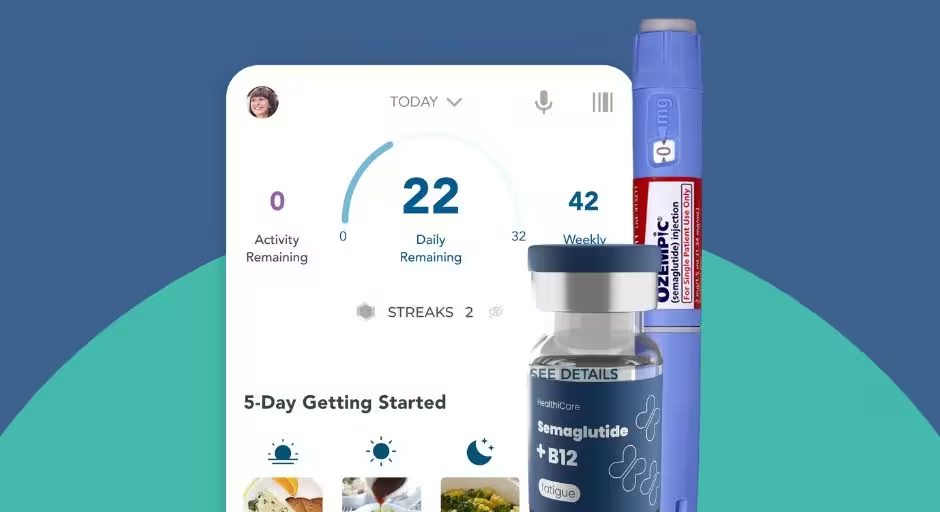
That's where Healthi Fresh comes in. Designed specifically with GLP-1 users in mind, Healthi Fresh puts an emphasis on protein, fiber, and balanced meals that can work with changing appetite levels. It's available within the Healthi app alongside meal tracking and other tools that can help make your food choices feel more manageable.
The Healthi app can also give you a practical way to track what you're eating without needing to make every meal a math project. The BITE system, recipes, restaurant guides, and Healthi Fresh can all work together to provide structure while still leaving room for flexibility.
Taking a GLP-1 is one part of the process. The food choices you make alongside treatment matter, too, particularly when appetite is lower and getting enough protein, fiber, fluids, and other nutrients can take more intention.
HealthiCare combines personalized GLP-1 treatment with clinical and coach support, while giving members access to the Healthi app and Healthi Fresh. That means the medication side and the nutrition and habit side don't have to feel like two completely separate journeys.
Having support can make a difference when questions come up, your appetite changes, or your routine needs to be adjusted. Your healthcare provider should always be the person guiding medication and dose decisions, especially when side effects are involved.
A good GLP-1 kitchen isn't filled with expensive specialty foods or complicated meal-prep containers. It's a kitchen where the foods you need are easy to find when you're hungry, the meals you enjoy are still allowed, and there are enough simple options to get you through the days when your appetite or energy isn't cooperating.
Keep protein within reach. Have fruits and vegetables ready to eat. Stock fiber-rich foods, satisfying carbohydrates, and easy meals. Keep water nearby. And give yourself permission to use convenience foods when convenience is what makes a healthy choice possible.
GLP-1 treatment can change your relationship with food, but it doesn't have to make eating complicated. A little planning in the kitchen can make it much easier to work with your appetite instead of fighting against it.
September 24, 2026