
Weight Loss

All Treatments
Resources


All Treatments
Weight Loss Treatments
Tirzepatide
Semaglutide
Wegovy Pill
Resources
Healthi App
Blog
Member Meetings
Recipes
Podcast
Patient Sign in



If you’ve recently started a GLP-1 medication and are wondering, “When will I actually notice a difference?” you’re definitely not alone. GLP-1 medications can begin affecting appetite and digestion early in treatment, but noticeable weight loss and other changes usually take time. Your response depends on the medication, dose, individual health factors, and how your body responds to treatment.
It’s easy to compare your progress with someone else’s, especially when you see dramatic weight-loss stories online. Your experience may look completely different, and a slower start doesn't necessarily mean your medication isn't working.
GLP-1 medications begin working in the body after you take them, but that doesn't mean you'll immediately see a major change on the scale. These medications influence appetite, digestion, and blood sugar regulation, and some people notice changes in hunger or fullness before they notice significant weight loss.
For others, the early weeks may feel relatively uneventful. That can be completely normal, particularly when treatment begins at a lower dose. Many GLP-1 treatment plans gradually increase the dose over time, allowing your body to adjust while your healthcare provider monitors your response.
The important thing is to look at the overall trend rather than expecting a dramatic change after the first injection or first few days.
One of the earliest changes people notice with GLP-1 medication is reduced appetite or increased feelings of fullness. You may find that you feel satisfied with smaller portions, think about food less often, or don't feel the same urge to snack between meals.
Changes in digestion can also affect how you eat. Since GLP-1 medications can slow gastric emptying, meals may feel more filling and stay with you longer. This is one reason eating smaller, balanced meals can become particularly helpful during treatment.
Not everyone experiences these changes at the same time or to the same degree. Some people notice appetite changes quickly, while others need more time or a dose adjustment before they feel a meaningful difference.

Weight loss typically happens over weeks and months rather than overnight. Clinical studies show that GLP-1 medications can support significant weight loss over longer treatment periods, but individual results vary.
Your starting weight, medication and dose, nutrition, activity level, metabolism, medical history, and consistency can all influence your results. Early weight changes can also fluctuate due to hydration, food intake, hormones, and other everyday factors.
That means a week with little or no movement on the scale isn't necessarily a sign that treatment has stopped working. Looking at several weeks of progress can provide a much more useful picture.
If you expected to begin treatment at a higher dose, it may seem strange that your provider starts you lower. There's a reason for that approach.
GLP-1 medications are commonly introduced gradually so your body has time to adjust. Increasing the dose too quickly can increase the likelihood of gastrointestinal side effects such as nausea, vomiting, diarrhea, constipation, or abdominal discomfort.
Your prescribed titration schedule is designed around your specific treatment plan. Don't increase your dose, skip ahead, or change how you take your medication without speaking with your healthcare provider first.
Starting low doesn't mean the medication isn't effective. It means the treatment is being introduced in a way that gives your body time to adapt.
It can be frustrating to take your medication and wonder whether anything is happening. If you're still early in treatment, patience is often important.
Some people experience appetite changes quickly, while others don't notice much until later in their treatment. Your provider can evaluate your progress and determine whether your current dose and treatment plan remain appropriate.
It's also worth paying attention to changes beyond the scale. Maybe you're getting full faster, making fewer trips to the snack cabinet, feeling more comfortable with smaller portions, or finding it easier to stick with balanced meals. Those changes can be meaningful signs that your habits and relationship with food are shifting.
If you're concerned that your medication isn't working, talk with your healthcare provider rather than making changes on your own.
GLP-1 medication is one part of a weight-loss plan, but the habits surrounding it still matter. Getting enough protein, drinking plenty of fluids, eating nutrient-dense foods, staying active, and getting adequate sleep can help support your health while you're losing weight.
This is especially important when your appetite decreases. Eating less may happen naturally with GLP-1 treatment, but your body still needs protein, fluids, vitamins, minerals, and other nutrients.
A sustainable approach also gives you room to adjust. Some days will be easier than others, and your appetite, energy, and weight can naturally fluctuate throughout treatment.
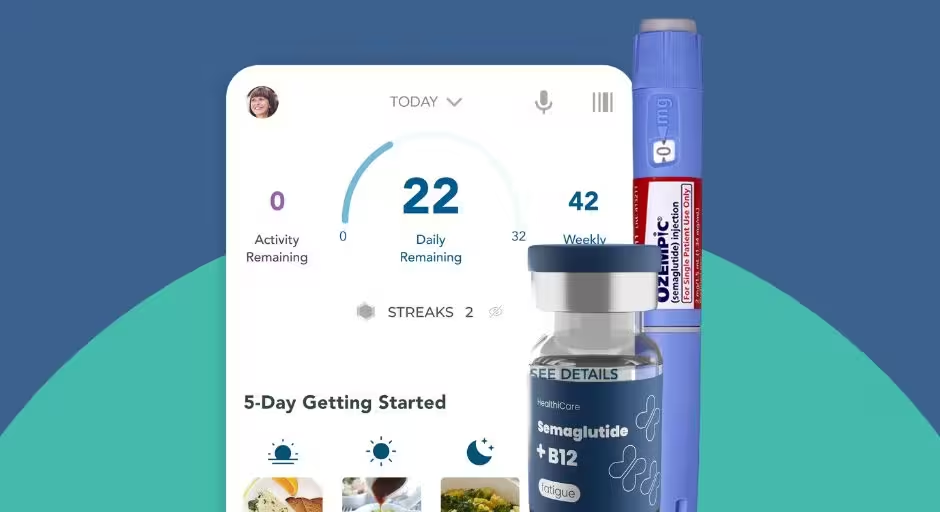
If you're considering a GLP-1 medication or are already using one, HealthiCare combines medication with clinical care and practical tools designed to support your entire weight-loss journey. Through HealthiCare, eligible patients can receive personalized GLP-1 treatment along with ongoing clinical and coach support.
Members also receive access to the Healthi app, including meal tracking, the BITE system, restaurant guides, and Healthi Fresh. These tools can make it easier to prioritize protein, build balanced meals, monitor your progress, and develop habits that continue beyond the medication.
Having medication is one piece of the process. Pairing it with guidance, tracking, nutrition support, and accountability can help turn those changes in appetite into healthier routines that fit your everyday life.
If you don't see a dramatic change immediately after starting a GLP-1 medication, don't assume you've failed or that the treatment isn't working. Your body needs time to respond, and your treatment plan may evolve as your provider learns how you respond to the medication.
Instead of judging your progress by what happens during the first week or two, pay attention to the bigger picture. Changes in appetite, portion sizes, eating habits, energy, measurements, and weight can all provide useful information.
GLP-1 treatment is a process, not an overnight transformation. Give your body time, follow your prescribed treatment plan, and work with your healthcare provider throughout the journey.
September 22, 2026



















.avif)
